Wedding Ceremony Trends in the US: What Couples Want Their Officiant to Include Now
Explore wedding ceremony trends in the US and what couples now want officiants to include, from personal vows to wellness-inspired rituals.
 sacredrhythmz
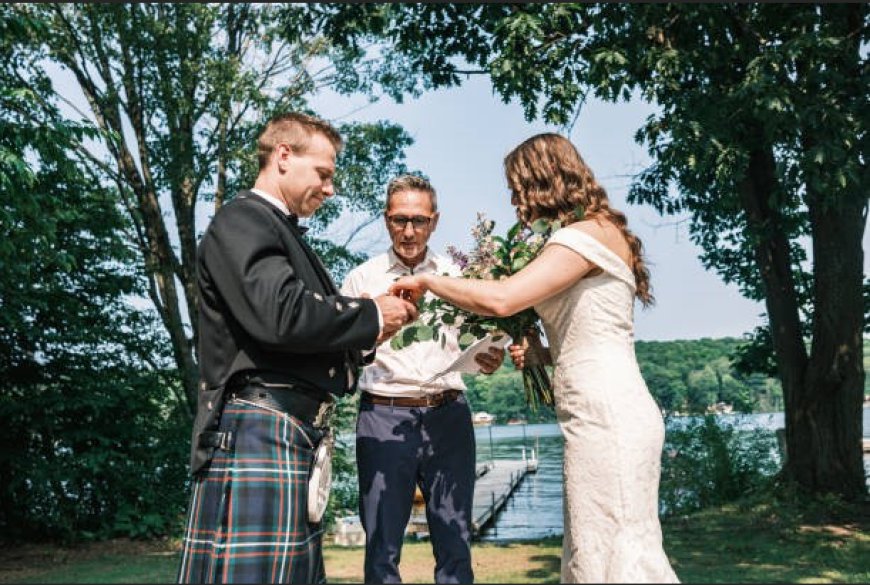
Wedding ceremonies in the US are becoming more personal, emotional, and intentional. Couples no longer want an officiant to simply read a standard script and move through the formalities. They want someone who can help shape a ceremony that reflects their story, values, beliefs, culture, and relationship style.
That is why wedding ceremony trends now focus so much on what couples want their officiant to include. From personal vows and meaningful rituals to calmer pacing and spiritual touches, couples are looking for ceremonies that feel honest, warm, and truly connected to who they are.
Wedding Ceremony Trends: What Couples Expect from Their Officiant
-
A Ceremony That Feels Personal
One of the strongest wedding ceremony trends is personalization. Couples no longer want a ceremony that sounds copied from a template. They want their story, values, humor, memories, and relationship style reflected in the words.
This means the officiant needs to ask better questions before the wedding. How did the couple meet? What has shaped their relationship? What promises matter most to them? What tone do they want: emotional, joyful, spiritual, light, traditional, or modern?
A good ceremony does not need to be long to feel meaningful. It needs to sound true. Even a simple line about how the couple supports each other can make the ceremony feel warmer and more sincere.
-
Personalized Vows with Emotion
Personal vows remain one of the biggest wedding ceremony trends because they give couples a chance to speak directly to each other. The Knot’s recent vow guidance highlights how couples are looking for vows that feel simple, modern, original, witty, or deeply personal instead of overly formal.
Couples often want their officiant to help them understand the right length, tone, and structure for vows. Should the vows be funny? Should they be private? Should they include promises about daily life, future challenges, and emotional support?
An officiant does not have to write the vows for the couple, but they can guide the process. This helps couples avoid vows that feel too vague, too long, or too performative.
-
Unity Rituals That Actually Mean Something
Unity rituals are also gaining attention. Couples are choosing ceremonies that include handfasting, unity candles, sand blending, tree planting, wine boxes, family blessings, or cultural traditions.
The important point is meaning. A ritual should not be added just because it looks good in photos. It should connect to the couple’s values, heritage, faith, family, or shared life.
For example, handfasting may appeal to couples who want a symbolic gesture of commitment. A family blessing may work for couples blending households. A quiet candle lighting moment may suit couples who want a spiritual or reflective tone.
-
A Calm and Grounded Ceremony Flow
Modern couples are also asking for ceremonies that feel calm instead of overly staged. They want enough structure to feel guided, but not so much that the ceremony feels stiff.
This connects with broader interest in wellness-centered weddings. Recent wedding coverage has noted a rise in “wellness weddings,” where couples include nature, mindfulness, spa experiences, and restorative settings in the wedding experience.
Some couples now use breathwork sessions before the ceremony to settle nerves. Others choose outdoor spaces, slower ceremony pacing, or quiet reflection moments. This does not turn the wedding into a retreat. It simply helps the couple feel present during a day that can otherwise move very fast.
-
Spiritual Elements Without Feeling Forced
Another major part of current wedding ceremony trends is flexible spirituality. Some couples want prayer, scripture, blessings, or faith-centered language. Others want spiritual meaning without a highly religious format.
This is where the officiant’s listening skills matter. A couple may want the ceremony to feel sacred, but not formal. They may want language around love, commitment, gratitude, purpose, or family without using a specific religious structure.
For couples who value reflection, spiritual counseling may also shape how they think about the ceremony. It can help them clarify what marriage means to them, what values they want to honor, and how they want to show up for each other.
-
Guest Involvement That Feels Natural
Couples are also asking officiants to include guests in more thoughtful ways. This may mean a group blessing, a short community vow, a family reading, or a moment where guests are invited to silently send love to the couple.
The key is not to make guests uncomfortable. The involvement should be simple, respectful, and easy to follow. For example, the officiant might say, “As family and friends, your support matters. May this couple feel your love not only today, but throughout their marriage.”
That kind of moment can make the ceremony feel warmer without becoming too long or awkward.
-
Cultural and Family Traditions Blended with Modern Style
Many US weddings now blend cultures, faith backgrounds, languages, and family traditions. Couples want officiants who can honor those layers with care.
This may include bilingual readings, cultural blessings, traditional clothing moments, music choices, or rituals from both families. The officiant should never assume what a tradition means. They should ask, listen, and make sure the couple feels respected.
This trend is especially important because many couples want a ceremony that feels inclusive and honest, not like they had to choose one side of their identity over another.
-
Ceremony Support Beyond the Wedding Day
Couples are also expecting more from wedding officiant services than simply showing up and reading a script. They often want help with ceremony structure, vow guidance, rehearsal flow, legal paperwork, readings, tone, and timing.
Some couples also want support before the ceremony because planning can feel emotionally heavy. This is why wellness-inspired planning is growing. Couples may attend wellness retreats, mindfulness events, or relationship workshops before the wedding to reconnect and reduce stress.
The officiant does not need to provide every service, but they should understand the emotional weight of the day. A thoughtful officiant helps the ceremony feel steady, organized, and meaningful.
Conclusion
The strongest wedding ceremony trends in the US all point in one direction: couples want ceremonies that feel personal, calm, inclusive, and emotionally honest. They are moving away from generic scripts and choosing vows, rituals, spiritual elements, and guest moments that reflect their personal story.
For officiants, this means listening deeply and guiding carefully. For couples, it means choosing someone who understands not only the legal role but also the emotional meaning of the ceremony.
FAQs
Should couples include private vows or public vows?
Both can work. Public vows create a shared emotional moment, while private vows feel more intimate. Some couples exchange private vows before the ceremony and use shorter promises during the public ceremony.
What should couples ask their officiant before choosing ceremony elements?
Couples should ask what parts of the ceremony can be personalized, how long the ceremony usually lasts, whether vows and readings can be added, and how the officiant handles spiritual, cultural, or family traditions.
How can an officiant help if couples are unsure what they want?
Wedding officiant services can ask thoughtful questions about tone, values, family traditions, comfort level, and ceremony style. This helps couples choose elements that feel natural instead of forced.