What Inspires the Popularity of Multi-Dimensional Design
Multi-dimensional jewelry design is gaining popularity for its ability to combine depth, contrast, and layered visual appeal. This modern approach reflects evolving fashion preferences that value creativity, individuality, and expressive craftsmanship.
 antiquecut78
Jewelry design has entered a new era where simplicity alone is no longer the defining standard of elegance. Instead, modern aesthetics celebrate depth, layering, and visual complexity. Multi-dimensional design has emerged as one of the most influential trends in this shift, offering pieces that feel dynamic, expressive, and deeply engaging.
This approach is not about adding unnecessary detail, but about creating thoughtful layers of design that interact with one another. Each element contributes to a larger visual experience, resulting in jewelry that feels more alive and meaningful.
The rise of multi-dimensional aesthetics reflects a broader cultural change. Today’s consumers are more interested in individuality and storytelling through design. Jewelry is no longer just an accessory—it is a reflection of identity, creativity, and personal expression.
The Evolution Toward More Layered Design Thinking
Traditional jewelry design often focused on uniformity and simplicity. While those principles still hold value, modern design has expanded to include more complex visual structures. Designers now explore how different elements can be combined to create depth and movement within a single piece.
This shift is driven by a desire for more expressive aesthetics. A single visual layer can feel limited, while multiple layers create a sense of richness and dimension. The eye is naturally drawn to complexity when it is balanced properly, which is why multi-dimensional design has become so appealing.
Layered design also allows for more storytelling. Each component within a piece can represent a different idea or influence. When combined, these elements form a cohesive narrative that feels intentional and artistic. This evolution represents a move away from purely decorative jewelry toward pieces that carry meaning and depth.
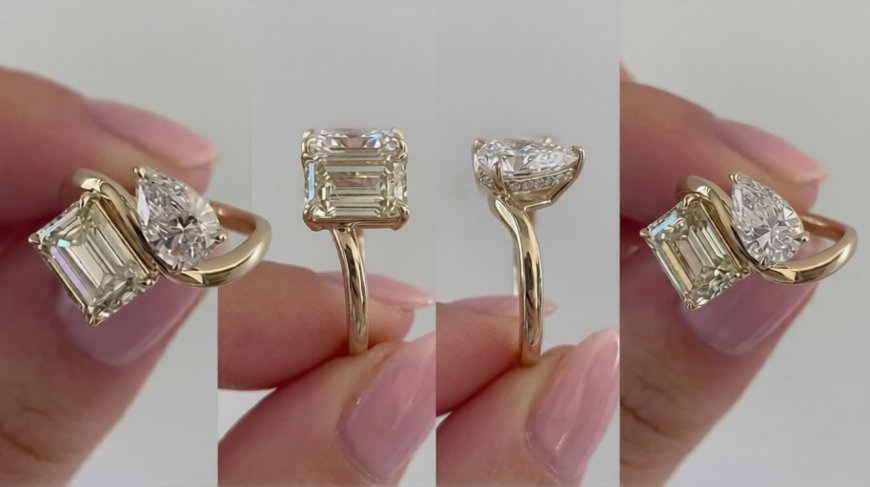
For those looking to browse lab created diamond two tone rings, the appeal lies in their ability to combine modern design principles with timeless elegance. These rings demonstrate how multiple elements can work together to create a unified and visually engaging form.
Why Depth and Dimension Matter in Modern Jewelry
One of the key reasons multi-dimensional design has gained popularity is its ability to create visual depth. Depth makes jewelry more engaging because it encourages closer observation. Instead of being understood at a glance, these pieces reveal their details gradually.
This layered effect is achieved through thoughtful design choices. Variations in tone, structure, and surface treatment all contribute to the sense of dimension. When these elements are balanced correctly, they create a visually rich experience that feels both modern and refined.
Another important factor is versatility. Multi-dimensional jewelry often adapts well to different styles and settings. Its complexity allows it to complement both minimal and bold fashion choices without losing its identity.
There is also an emotional appeal. Jewelry with depth often feels more meaningful because it reflects complexity and individuality. It suggests that beauty is not one-dimensional, but layered and evolving.
This idea resonates strongly with contemporary audiences who value authenticity and self-expression.
Craftsmanship Behind Multi-Dimensional Jewelry Design
Creating multi-dimensional jewelry requires a high level of craftsmanship and precision. Designers must carefully consider how each element interacts with the others to ensure harmony within complexity.
Balance is essential. If too many elements compete for attention, the design can feel overwhelming. Skilled artisans focus on guiding the viewer’s eye through the piece in a natural and intentional way.
Texture and contrast also play a significant role. Smooth and detailed surfaces, light and dark tones, and structural variations all work together to create depth. When used effectively, these differences enhance the overall composition rather than distract from it.
Modern techniques have expanded the possibilities for achieving multi-dimensional effects. Advanced design tools allow for greater precision, enabling more intricate and layered structures. However, traditional craftsmanship remains equally important, as it ensures that each piece maintains artistic integrity and emotional value.
The combination of innovation and artisanal skill is what gives these designs their distinctive quality. They are not simply constructed; they are carefully composed.
The Growing Appeal of Dimensional Design
As jewelry trends continue to evolve, brands are increasingly embracing designs that emphasize depth and contrast. Antiquecut reflects this movement by highlighting craftsmanship that brings multiple design elements together in a cohesive and elegant way.
Modern consumers are drawn to jewelry that feels expressive yet refined. They appreciate pieces that offer more than surface-level beauty. This has led to a growing interest in designs that incorporate layered aesthetics and thoughtful composition.
Such designs reflect the growing demand for jewelry that feels personal and distinctive. Rather than following a single aesthetic direction, they embrace complexity and balance, resulting in pieces that feel both contemporary and meaningful. As preferences continue to shift, multi-dimensional design is becoming an important part of modern jewelry identity.
The Future of Multi-Dimensional Aesthetics
The future of jewelry design is likely to see even greater exploration of depth and layering. As technology advances, designers will have more tools to experiment with structure, texture, and visual interaction.
However, the core principles will remain the same. Balance, harmony, and intentional composition will continue to define successful design. No matter how complex a piece becomes, it must still feel cohesive and thoughtfully crafted.
Consumers will also continue to influence this direction. Their growing appreciation for individuality and expressive design encourages further innovation in multi-dimensional aesthetics. This trend is not temporary. It reflects a long-term shift in how people perceive beauty in jewelry—moving from simplicity alone toward richness, depth, and meaning.
Conclusion
Multi-dimensional jewelry design has become popular because it reflects the complexity and individuality of modern life. Through layered composition and thoughtful craftsmanship, designers create pieces that feel dynamic, expressive, and deeply engaging.
As this approach continues to evolve, it will remain a defining feature of contemporary jewelry. It offers a powerful way to combine artistry and innovation, resulting in designs that are both visually striking and emotionally resonant.