What is Organic Recycling?
 lovetreepak
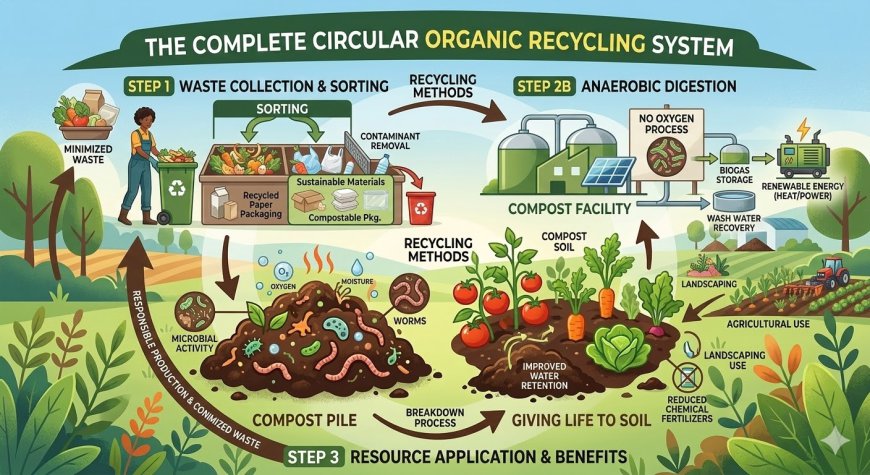
Organic recycling is the process of converting organic waste such as food scraps, agricultural residues, and biodegradable materials into useful resources like compost, biogas, energy, and water. This process supports a circular system where natural materials are reused instead of being sent to landfills. With organic waste making up a large portion of global waste, recycling it plays a key role in sustainable waste management.
How Organic Recycling Works
Organic recycling mainly occurs through two methods: composting and anaerobic digestion. Composting is an aerobic process where microorganisms break down organic materials in the presence of oxygen, producing nutrient-rich compost that improves soil quality. Anaerobic digestion occurs without oxygen and generates biogas that can be used as a renewable energy source.
Why Organic Recycling Is Important
Organic waste does not simply disappear once it is discarded. When it decomposes in landfills, it releases methane, a powerful greenhouse gas that contributes to climate change. Organic recycling helps reduce these emissions while turning waste into valuable resources. Compost enhances soil fertility, improves water retention, and reduces the need for chemical fertilizers.
The Organic Recycling Process
The process usually starts with the collection of organic waste from homes, restaurants, and industries. The materials are then sorted to remove contaminants and prepared for processing. After that, they go through composting or anaerobic digestion to transform waste into compost or renewable energy. The final products can be used in agriculture, landscaping, or energy production.
Supporting Sustainability Through Better Packaging
Sustainable materials and sustainable product packaging are becoming important in modern waste management systems. Solutions such as Recycled Paper Packaging and compostable packaging help reduce environmental impact and can be integrated into organic recycling systems. These packaging options support a circular economy by minimizing waste and promoting responsible resource use.
Moving Toward a Circular Future
Organic recycling plays an important role in building a sustainable future. By reducing landfill waste, lowering greenhouse gas emissions, and returning nutrients to the soil, it supports healthier ecosystems and more responsible production and consumption practices.