What Is Remedial Caulking? Signs Your Building Needs It
Learn what remedial caulking is, why it matters, and the key signs your building needs it to prevent leaks, damage, and costly repairs.
 theaustraliancaulkingcompany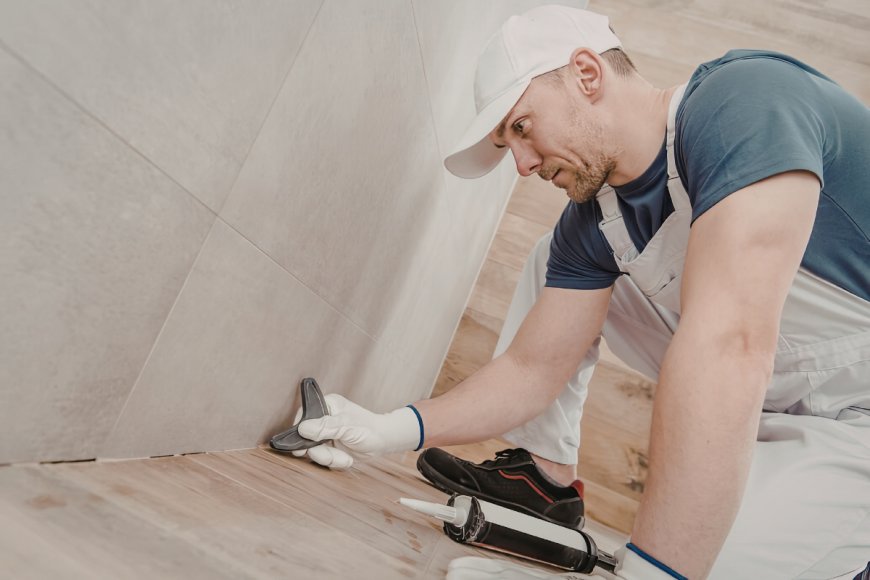
Buildings are always exposed to changing weather, movement in structure, and everyday wear and tear. Over time, these factors start affecting the small gaps and joints that hold different parts of a building together. These gaps are usually sealed with special materials to stop water, air, and dust from entering. However, as time passes, this sealing material starts to break down and lose its strength.
This is where remedial caulking becomes important. It is the process of fixing or replacing old and damaged sealant in a building. It helps restore protection and keeps the structure safe from leaks and damage. In busy construction areas and cities, especially where buildings face constant weather changes, services like Remedial Caulking Sydney are widely used to maintain buildings in good condition.
What Is Remedial Caulking?
Remedial caulking simply means repairing the sealant that has already been used in a building. When a building is first constructed, sealant is applied in joints, corners, windows, panels, and expansion gaps. This sealant is meant to block water and air and allow the building to move slightly without damage.
But over time, the sealant starts to crack, shrink, or peel away. When this happens, it no longer protects the building properly. Remedial caulking fixes this problem by removing the old material and applying new sealant in its place.
This work is a part of civil construction caulking, which is used in both small and large building projects. It is especially important in commercial buildings, high-rise structures, and infrastructure projects where safety and durability matter the most.
Why Remedial Caulking Is Important
Many people ignore sealant problems because they seem small at first. But even a tiny gap can lead to bigger issues over time. Water can slowly enter the structure, causing damage to walls, concrete, and internal parts of the building.
Good caulking keeps the building sealed and protected. It also helps control indoor temperature by stopping air leaks. This means better comfort inside the building and lower energy use.
In large construction work, proper sealing is a key part of building safety. That is why civil caulking services are used to maintain and repair sealant systems in modern structures. Without proper maintenance, buildings may face long-term damage that becomes expensive to fix.
Early Signs Your Building Needs Remedial Caulking
There are several clear signs that show a building needs caulking repair. One of the most common signs is cracking or peeling sealant. When sealant becomes old, it loses flexibility and starts breaking apart.
Another sign is water leakage. If you notice water entering through windows, walls, or joints during rain, it usually means the sealant is not working properly anymore.
Air drafts are also a warning sign. If some rooms feel colder or warmer than others, or if energy bills increase, it could be due to air leaking through gaps in the building.
You may also notice stains or marks on exterior walls. These marks are often caused by water entering through weak joints. In such cases, remedial caulking services or civil caulking services are needed to fix the problem before it gets worse.
What Causes Caulking to Fail?
Caulking does not last forever. There are many reasons why it starts to fail over time. The most common reason is age. As sealant gets older, it becomes hard and starts to crack.
Weather is another major factor. Strong sunlight, heavy rain, and temperature changes all affect the material. In hot weather, sealant expands, and in cold weather, it contracts. This constant movement weakens it.
Sometimes, the problem starts during construction if the sealant is not applied correctly. Poor application can lead to early damage and failure. This is why skilled civil caulking contractors in Sydney are important for both repair and inspection work.
Building movement is also a natural cause. All buildings move slightly over time due to settling and environmental pressure. This movement slowly affects sealed joints.
How Remedial Caulking Is Done
Remedial caulking is done step by step to make sure the result lasts long. First, the building is carefully checked to find all damaged or weak sealant areas. This inspection helps identify where repairs are needed.
After inspection, the old sealant is removed. This step must be done carefully so the surrounding surface is not damaged. If old material is left behind, the new sealant may not stick properly.
Once the area is cleaned, a backing material may be added if needed. This helps support the new sealant and improves durability.
Then new sealant is applied smoothly into the joint. It is pressed in properly so there are no gaps or air pockets. After application, the area is finished and checked again to ensure proper sealing.
This process is commonly used in civil caulking Sydney projects where large buildings and structures need strong and long-lasting sealing work.
Where Remedial Caulking Is Used
Remedial caulking is used in many types of buildings and structures. In homes, it is used around windows, doors, bathrooms, and external walls to prevent leaks and improve insulation.
In commercial buildings, it is used on glass panels, façades, and expansion joints. These buildings often have large surfaces that need strong sealing systems.
It is also widely used in infrastructure work such as bridges, tunnels, and concrete structures. These projects fall under civil construction caulking, where strength and durability are very important.
Industrial sites also use caulking to protect areas exposed to chemicals, moisture, and temperature changes.
Benefits of Remedial Caulking
One of the biggest benefits of remedial caulking is protection from water damage. Proper sealing stops water from entering and damaging internal structures.
It also improves energy efficiency. When gaps are sealed properly, indoor air stays inside, and outside air stays out. This helps reduce heating and cooling costs.
Another benefit is improved appearance. Fresh sealant makes a building look cleaner and well maintained.
Regular caulking repairs also help extend the life of a building. Small repairs done on time prevent major damage later.
Safety is another important benefit. Moisture inside walls can lead to mould and other issues, so proper sealing helps maintain a healthy environment.
Choosing the Right Professionals
For good results, it is important to hire skilled professionals. Experienced teams understand how different buildings need different sealing methods.
They also use proper materials that last longer and perform better in different weather conditions. Professional teams offering remedial caulking services know how to handle both small and large projects.
In big cities, experienced civil caulking contractors in Sydney are often chosen for commercial and civil projects because they understand complex building structures and safety standards.
Good workmanship ensures that the sealing lasts longer and performs better over time.
Maintenance After Caulking Work
Even after remedial caulking is done, regular checks are important. Building owners should inspect joints from time to time to make sure everything is still in good condition.
Cleaning sealed areas gently also helps increase their life. Harsh chemicals should be avoided because they can damage the sealant.
If any small cracks or gaps appear again, they should be repaired quickly before they grow into bigger problems.
Regular care ensures that the building stays protected for a long time without major repair costs.
Conclusion
Remedial caulking is an important part of building maintenance that helps protect structures from damage caused by water, air leaks, and weather exposure. It keeps buildings strong, safe, and energy efficient by repairing old and damaged sealant joints.
Whether it is a home, office, or large infrastructure project, timely caulking repair plays a big role in preventing costly damage in the future. Services like Remedial Caulking Sydney, Civil Caulking Services, and professional Caulking Repairs ensure that buildings remain in good condition for years.
For reliable solutions and expert support in all types of sealing and repair work, you can learn more at The Australian Caulking Company, where professional help is available for different caulking needs.