What Makes Authentic Kaju Katli Sweets Different from Regular Mithai
 gudmishrijaipur
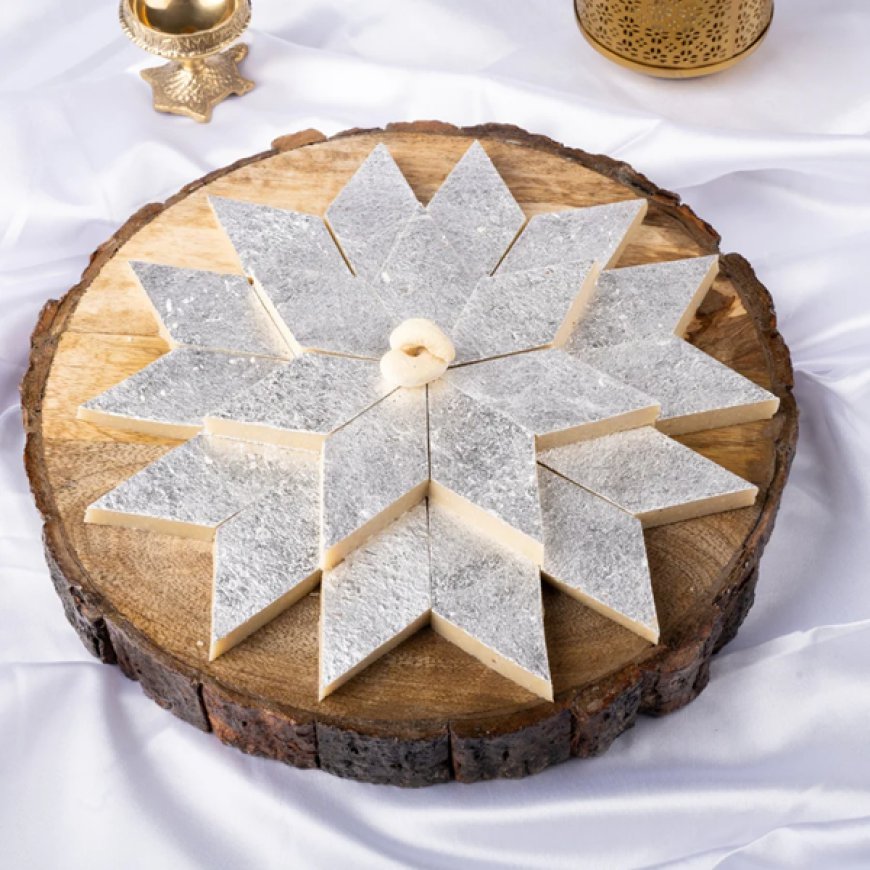
Indian sweets hold a special place in celebrations, festivals, and everyday indulgence. From laddoos to barfis, every mithai has its own unique flavor and cultural significance. However, among the many traditional sweets, kaju katli stands out for its rich taste and smooth texture. Many sweet shops sell similar-looking varieties, but authentic kaju katli is quite different from regular mithai in terms of ingredients, preparation method, texture, and taste. Understanding these differences helps consumers choose high-quality sweets and enjoy the real essence of this classic Indian delicacy.
The Purity of Ingredients Used
One of the biggest factors that makes authentic kaju katli unique is the quality and simplicity of its ingredients. Traditional kaju katli is made using only a few core ingredients—premium cashews, sugar, and sometimes a small amount of ghee or rose water for aroma. There are no unnecessary fillers, artificial flavors, or preservatives added in authentic recipes.
High-quality kaju katli sweets rely heavily on the freshness and richness of cashew nuts. The cashews are carefully selected, finely ground, and cooked slowly with sugar to achieve the perfect balance of sweetness and nuttiness. Because the recipe is simple, the quality of ingredients becomes extremely important in maintaining the authentic taste.
Traditional Preparation Method
Another key difference between authentic and regular mithai lies in the preparation technique. Authentic kaju katli sweets are prepared using a traditional slow-cooking process that ensures the cashew paste blends perfectly with sugar syrup. The mixture is carefully cooked until it forms a smooth dough-like consistency.
Once the mixture reaches the right texture, it is rolled out evenly and cut into the signature diamond-shaped pieces. This careful process ensures that kaju katli sweets maintain their soft, melt-in-the-mouth texture without becoming overly sticky or hard. Many mass-produced sweets skip these steps to save time, which can affect both texture and flavor.
Texture That Melts in the Mouth
Authentic kaju katli is known for its smooth, silky texture. When prepared correctly, the sweet feels soft and delicate, almost melting instantly when placed on the tongue. This texture comes from finely ground cashews and perfectly controlled cooking temperatures.
Regular mithai varieties or low-quality versions of kaju katli may feel grainy, thick, or overly sugary. Some manufacturers add milk solids or starch to increase quantity, which changes the natural texture of the sweet. Authentic kaju katli avoids such additives, allowing the natural creaminess of cashews to shine through.
Balanced and Natural Flavor
Taste is another major factor that separates authentic kaju katli from ordinary sweets. Because the recipe focuses mainly on cashews, the flavor profile remains rich, nutty, and mildly sweet rather than overpoweringly sugary.
In many commercial mithai products, excessive sugar or artificial flavors are added to enhance taste quickly. However, authentic kaju katli maintains a delicate balance where the natural taste of cashews remains the highlight. This balance makes it enjoyable for people who prefer sweets that are flavorful but not overly heavy.
Appearance and Presentation
Authentic kaju katli also stands out in terms of its appearance. It usually has a smooth surface with a slightly glossy finish and is traditionally cut into thin diamond shapes. In many cases, a thin layer of edible silver leaf (varak) is placed on top for decoration.
Regular mithai may appear thicker or unevenly shaped. Sometimes the pieces are not rolled thin enough or lack the smooth finish that high-quality kaju katli typically has. While appearance alone does not define quality, it often reflects the care and technique used during preparation.
Shelf Life and Freshness
Authentic kaju katli is typically prepared in smaller batches to maintain freshness and taste. Because it contains minimal preservatives, it is best consumed within a few days for the best flavor and texture.
On the other hand, mass-produced sweets may include preservatives or stabilizers to extend shelf life. While this may make storage easier, it can slightly affect the freshness and natural taste that authentic kaju katli offers.
Nutritional Perspective
Although kaju katli is still a sweet treat, it can be considered slightly better than many other mithai options due to its ingredient profile. Cashews provide healthy fats, plant-based protein, and essential minerals such as magnesium and iron.
When prepared using traditional methods and moderate sugar levels, kaju katli can be enjoyed occasionally as part of a balanced diet. Compared to sweets that contain refined flour or deep-fried ingredients, kaju katli is often seen as a lighter and more refined dessert choice.
How to Identify Authentic Kaju Katli
Consumers can look for a few signs to identify authentic kaju katli. The texture should be smooth and soft rather than crumbly or sticky. The sweetness should feel balanced rather than overwhelming. The aroma should carry a natural nutty fragrance from cashews rather than artificial flavors.
Another important indicator is ingredient transparency. Trusted sweet makers usually highlight the use of premium cashews and traditional preparation methods, which ensures better quality and taste.
Conclusion
Authentic kaju katli stands apart from regular mithai because of its purity, craftsmanship, and balanced flavor. Made from high-quality cashews and prepared using traditional techniques, it offers a smooth texture and rich taste that many other sweets cannot match. While modern production methods have made sweets more widely available, the charm of authentic kaju katli lies in its simplicity and careful preparation. By understanding these differences, consumers can appreciate the value of traditional sweets and make better choices when selecting this beloved Indian delicacy.