What to Do When Your Roof Starts Leaking During Heavy Rain
Roof Repair in Canton, MI provides dependable roofing solutions for homeowners. Our team focuses on quality workmanship, timely service, and reliable protection to keep your home safe in every season.
 aisroofing
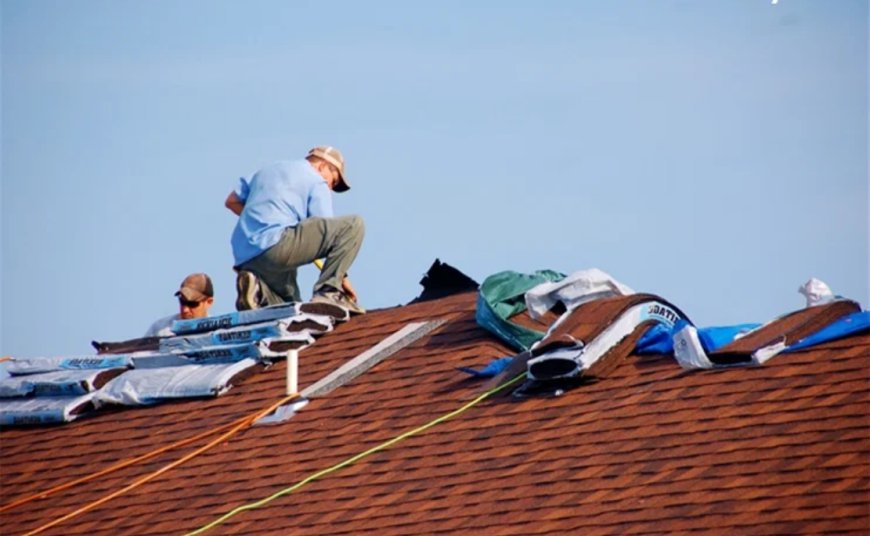
Discovering a drip from your ceiling during a torrential downpour is a stressful experience for any homeowner. Whether it is a small discoloration on the drywall or a steady stream of water, immediate action is necessary to minimize structural damage and protect your belongings. If you find yourself dealing with an urgent situation that requires professional Roof Repair in Canton, MI, knowing the right steps to take can save you thousands of dollars in restoration costs. Understanding the mechanics of a leak and how to manage it before the rain stops is the first line of defense for your property.
Immediate Interior Protection
The moment you notice water entering your home, your priority should be to contain the liquid and protect your interior assets. Place a bucket or a plastic bin directly under the leak to catch falling water. If the water is splashing out of the container, placing a cloth or an old t-shirt at the bottom of the bucket will dampen the sound and prevent splashing.
Move any furniture, electronics, or valuables away from the affected area. If items are too heavy to move, cover them with heavy-duty plastic sheeting. If you notice a bulge in the ceiling where water is pooling, it may be necessary to perform a "controlled drainage." Use a small screwdriver or a drill to carefully poke a hole in the center of the bulge. This allows the trapped water to flow into your bucket rather than spreading across the ceiling, which could lead to a sudden and messy collapse of the drywall.
Identifying the Source from the Inside
While it is never safe to go onto a roof during a heavy rainstorm, you can often perform a preliminary inspection from inside your attic. Grab a flashlight and look for signs of water entry along the rafters or the underside of the deck. Keep in mind that water rarely travels in a straight line; it often enters at one point and runs down a beam before finally dripping onto the insulation.
Look for damp spots, mold growth, or "shiners"—nails that have frosted over or appear rusted. Identifying the general area of the entry point will be extremely helpful when you eventually call for a professional inspection. Marking the spot with a piece of chalk or a marker will ensure you can find it again once the attic has dried out.
Temporary Fixes and Safety Precautions
It is important to emphasize that you should never attempt to climb onto your roof while it is raining or while the shingles are still wet. Surfaces become incredibly slick, and the risk of a fall is significantly heightened. If the leak is severe, you may be tempted to throw a tarp over the area, but this should only be done by professionals equipped with safety harnesses and proper footgear.
If you can safely access the attic and identify the specific hole, you might apply a temporary patch using roofing cement or a piece of plywood pushed against the underside of the roof deck. However, these are strictly "band-aid" solutions. The primary goal during the storm is containment and safety. Ensure that no water is coming into contact with electrical outlets or light fixtures; if it is, turn off the power to that specific circuit at the breaker box immediately to avoid fire hazards or electrocution.
Why Professional Assessment is Vital
Once the weather clears, the real work begins. A leaking roof is often a symptom of underlying issues such as cracked flashing, missing shingles, or compromised underlayment. Attempting a DIY repair on the exterior without the proper tools and knowledge can lead to further damage or void your existing warranty.
Expert contractors can identify if the issue stems from ice dams, clogged gutters, or simple wear and tear. They will also check the integrity of your chimney flashing and vent boots, which are common culprits for leaks during heavy Michigan storms. For residents in the area, Al’s Roofing & Repairs provides comprehensive inspections to determine whether a simple patch will suffice or if the system requires more extensive work to remain watertight.
Long-Term Maintenance to Prevent Leaks
Prevention is always more cost-effective than emergency repairs. Regularly cleaning your gutters ensures that water flows away from the roofline rather than backing up under the shingles. Furthermore, trimming overhanging tree branches prevents physical damage to the roof surface and reduces the amount of debris that can trap moisture.
Scheduling a biannual roof inspection is the best way to catch small problems before they turn into midnight emergencies. A professional roofer will look for granules in the gutters, curling shingles, and signs of pest infestation. By maintaining the health of your roofing system, you extend its lifespan and ensure that the next heavy rainstorm remains outside where it belongs.
Choosing the Right Contractor
When the storm passes, and you are ready for a permanent fix, look for a team with local experience and a solid reputation for quality. Dealing with a leak requires more than just a quick fix; it requires an understanding of how local weather patterns impact building materials over time. When seeking Roof Repair in Canton, MI, ensure the company is fully insured and offers a clear breakdown of the necessary repairs. A reliable contractor will provide a detailed estimate and explain exactly why the leak occurred, giving you peace of mind the next time the clouds turn grey.