When to See a Specialist for High Cholesterolemia Dubai
Learn when it’s time to consult a specialist for High Cholesterolemia Dubai, especially if lifestyle changes aren’t lowering your cholesterol levels.
 Dr. Barbara
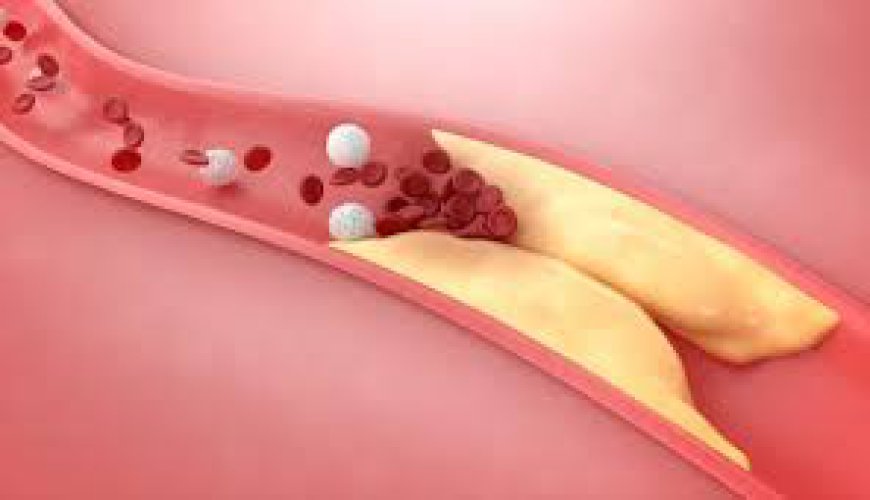
High cholesterol is a silent health concern that often shows no symptoms until serious complications arise. Many individuals only discover elevated cholesterol levels during routine medical check-ups. If left unmanaged, high cholesterol can increase the risk of heart disease, stroke, and other cardiovascular conditions.
Understanding when to consult a specialist for High cholesterolemia Dubai is essential for protecting your long-term health and preventing complications.
Understanding High Cholesterolemia
High cholesterolemia refers to elevated levels of cholesterol in the blood, particularly low-density lipoprotein (LDL), often called “bad cholesterol.” Cholesterol is necessary for the body’s normal functioning, but excessive levels can lead to plaque buildup in arteries.
Over time, untreated High cholesterolemia Dubai cases may contribute to:
- Coronary artery disease
- Hypertension
- Heart attack
- Stroke
Early diagnosis and management significantly reduce these risks.
Common Causes of High Cholesterol
High cholesterol can develop due to various factors, including:
- Poor dietary habits
- Lack of physical activity
- Obesity
- Smoking
- Genetic predisposition (familial hypercholesterolemia)
- Diabetes
In Dubai’s fast-paced lifestyle, sedentary habits and processed food consumption may contribute to increasing cases of High cholesterolemia Dubai among adults and even younger individuals.
Signs You Should See a Specialist
Although high cholesterol rarely causes direct symptoms, certain warning signs and risk factors indicate it is time to consult a healthcare professional.
1. Abnormal Blood Test Results
If a routine blood test shows elevated LDL or total cholesterol levels, you should seek medical advice. A specialist can:
- Evaluate your cardiovascular risk
- Recommend lifestyle changes
- Prescribe medications if necessary
Timely intervention for High cholesterolemia Dubai can prevent long-term complications.
2. Family History of Heart Disease
If close family members have experienced heart attacks, strokes, or diagnosed high cholesterol at an early age, you may have a genetic predisposition.
A specialist can assess whether your condition is hereditary and design a targeted treatment plan for High cholesterolemia Dubai.
3. Existing Medical Conditions
Individuals with conditions such as:
- Diabetes
- High blood pressure
- Obesity
- Metabolic syndrome
should consider regular specialist consultations. These conditions increase cardiovascular risk when combined with High cholesterolemia Dubai.
4. Chest Discomfort or Shortness of Breath
Although high cholesterol itself does not cause symptoms, it may lead to blocked arteries. If you experience:
- Chest pain
- Unusual fatigue
- Shortness of breath
seek immediate medical evaluation. These may indicate complications related to untreated High cholesterolemia Dubai.
5. Lifestyle Risk Factors
If you:
- Smoke regularly
- Lead a sedentary lifestyle
- Consume high-fat or processed foods frequently
you may benefit from early screening and specialist advice to prevent worsening of High cholesterolemia Dubai.
What to Expect During a Specialist Consultation
When visiting a specialist for High cholesterolemia Dubai, you can expect:
- Detailed medical history assessment
- Lipid profile blood test
- Cardiovascular risk evaluation
- Personalized treatment recommendations
Treatment plans may include lifestyle modifications, dietary adjustments, exercise routines, and cholesterol-lowering medications if required.
Importance of Early Intervention
Early management significantly reduces the risk of cardiovascular complications. With proper monitoring and guidance, patients can:
- Lower LDL cholesterol
- Improve heart health
- Reduce long-term medical risks
- Enhance overall well-being
Ignoring elevated cholesterol levels can lead to serious health consequences. Proactive care is the key to successful management of High cholesterolemia Dubai.
Lifestyle Changes to Support Treatment
Specialists often recommend:
- Adopting a heart-healthy diet
- Reducing saturated and trans fats
- Increasing fiber intake
- Engaging in regular physical activity
- Maintaining a healthy weight
- Avoiding tobacco use
These habits complement medical treatment and improve outcomes for individuals diagnosed with High cholesterolemia Dubai.
Conclusion
High cholesterol may not present immediate symptoms, but its long-term impact on cardiovascular health can be severe. Recognizing risk factors and seeking timely medical advice are essential steps in protecting your heart.
If you have abnormal test results, a family history of heart disease, or lifestyle risk factors, consulting a specialist for High cholesterolemia Dubai is a proactive and responsible decision. Early diagnosis, personalized treatment, and consistent follow-up can significantly reduce complications and promote a healthier future.
FAQs
1. How often should I check my cholesterol levels?
Adults should have their cholesterol checked every 4–6 years, or more frequently if risk factors are present.
2. Can High cholesterolemia Dubai be managed without medication?
In mild cases, lifestyle changes may be sufficient. However, some individuals require medication based on their risk level.
3. Is high cholesterol common in younger adults?
Yes, especially due to sedentary lifestyles and poor dietary habits. Early screening is recommended.
4. How long does it take to lower cholesterol levels?
Improvement can be seen within a few months with proper treatment and lifestyle changes.
5. Is high cholesterol dangerous?
Yes. If left untreated, it increases the risk of heart attack, stroke, and other cardiovascular diseases.