Who Is a Suitable Candidate for Hair Transplant Surgery?
 Dynamicclinic
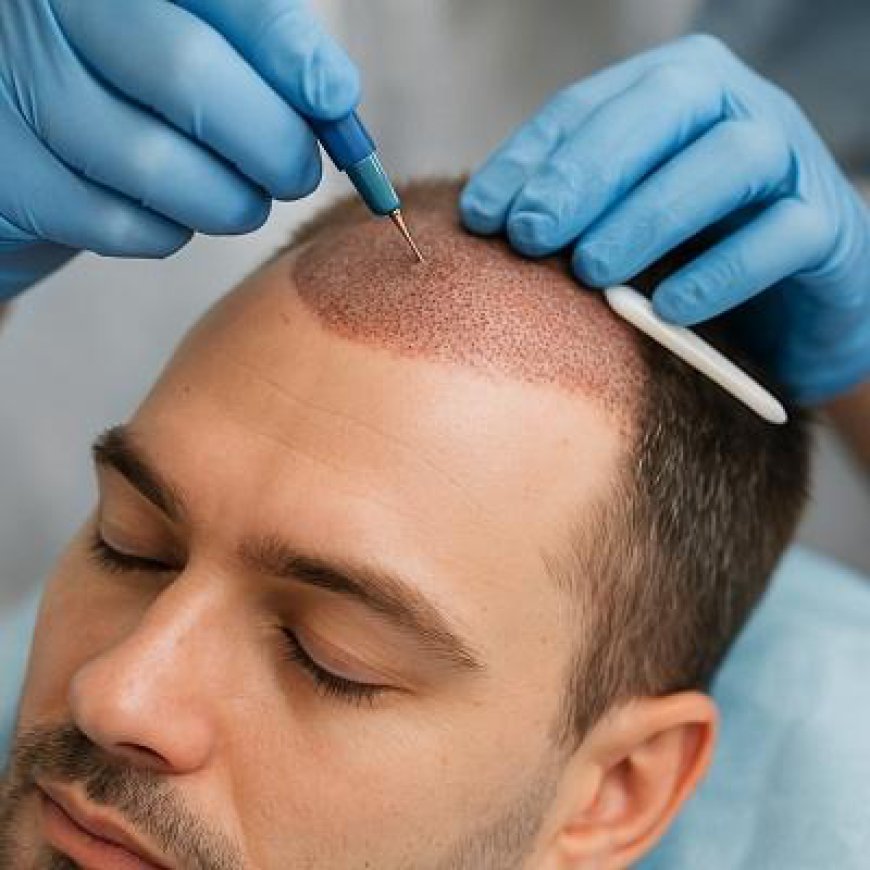
Hair loss can affect individuals in different ways, influencing appearance, self-image, and overall confidence. While some people experience gradual thinning, others may notice a receding hairline or areas of reduced density that become more visible over time. As interest in hair restoration continues to grow, many individuals explore procedures designed to improve hair coverage and create a fuller appearance. Among the options available, زراعة الشعر في دبي is frequently considered by people seeking a long-term approach to hair restoration. Understanding who may be a suitable candidate for hair transplant surgery can help individuals make informed decisions about their hair restoration journey.
Understanding Hair Transplant Surgery
What Is Hair Transplantation?
Hair transplantation is a procedure that involves relocating healthy hair follicles from one area of the scalp to another area experiencing thinning or hair loss.
Why Do People Consider It?
Many individuals seek hair restoration because they want to improve hair density and enhance their overall appearance.
A Personalized Treatment Option
Hair transplant procedures are typically planned according to each person's hair characteristics and restoration goals.
Common Reasons People Explore Hair Restoration
Receding Hairline Concerns
A changing hairline is one of the most common reasons people investigate hair restoration options.
Thinning Hair
Gradual reductions in hair density may motivate individuals to seek professional advice.
Visible Hair Loss Areas
Some people pursue treatment when certain parts of the scalp become increasingly noticeable.
Many individuals visit Dynamic Life Clinic in Dubai to discuss their concerns, understand available hair restoration options, and receive personalized recommendations based on their scalp condition, hair characteristics, and desired outcomes.
Characteristics of Suitable Candidates
Individuals With Stable Hair Loss Patterns
Candidates often benefit from understanding the nature and progression of their hair loss.
People Seeking Improved Hair Density
Many individuals pursue treatment because they want fuller-looking hair in specific areas.
Those With Realistic Expectations
Understanding achievable outcomes is an important factor in the overall experience.
Why Hair Quality Matters
Healthy Donor Hair
The quality and availability of donor hair can influence treatment planning.
Hair Texture and Characteristics
Different hair types may contribute to different aesthetic outcomes.
Individual Hair Growth Patterns
Natural growth direction and density are important considerations during evaluation.
The Importance of Scalp Assessment
Evaluating Hair Loss Areas
A professional assessment helps determine the extent and pattern of hair thinning.
Understanding Scalp Condition
Scalp health plays an important role in planning personalized recommendations.
Creating a Suitable Approach
Assessment allows treatment strategies to be tailored to individual needs.
Factors Beyond Age
Hair Condition Is More Important
Suitability is often determined by hair and scalp characteristics rather than age alone.
Individual Goals Matter
People seek treatment for different reasons and with different expectations.
Personalized Recommendations
Each individual receives guidance based on their specific situation.
Benefits of Understanding Candidacy
Making Informed Decisions
Learning about eligibility helps individuals better understand their options.
Improving Expectations
Clear information helps create realistic treatment goals.
Supporting Long-Term Satisfaction
Personalized planning can contribute to a more positive overall experience.
Why Consultation Is Essential
Understanding Personal Concerns
Consultation provides an opportunity to discuss hair restoration goals.
Exploring Available Options
Individuals can learn about approaches that may address their specific concerns.
Developing a Customized Plan
Recommendations are designed according to individual characteristics and objectives.
Long-Term Hair Restoration Considerations
Maintaining Natural Appearance
Many individuals prioritize results that complement their natural hair pattern.
Supporting Hair Confidence
Improved hair coverage may positively influence self-image.
Focusing on Personal Goals
Hair restoration plans often reflect each person's unique vision for improvement.
Personalized Hair Restoration Journey
Every Individual Is Different
Hair characteristics, scalp conditions, and expectations vary significantly.
Customized Recommendations
Treatment planning focuses on addressing specific needs and goals.
Encouraging Positive Outcomes
For many individuals, زراعة الشعر becomes part of a personalized aesthetic journey designed to improve hair density, restore confidence, and support long-term satisfaction with their appearance.
Why Hair Restoration Continues to Grow in Popularity
Increased Awareness
More individuals are learning about modern hair restoration techniques.
Demand for Personalized Solutions
People increasingly seek treatments tailored to their individual concerns.
Focus on Natural Results
Natural-looking outcomes remain a key priority for many individuals.
Conclusion
A suitable candidate for hair transplant surgery is often someone experiencing hair thinning, a receding hairline, or reduced hair density who wishes to improve overall hair coverage. Factors such as hair quality, scalp condition, donor hair availability, and personal expectations all contribute to determining suitability. Through professional consultation and personalized planning, individuals can better understand whether hair transplantation aligns with their goals and supports their long-term hair restoration objectives.
FAQs
Who may consider hair transplant surgery?
Individuals experiencing hair thinning, hairline recession, or reduced hair density often explore this option.
Is age the most important factor?
Hair characteristics and scalp condition are generally more important than age alone.
Why is donor hair important?
Healthy donor hair helps support personalized treatment planning.
Why is consultation necessary?
Consultation helps evaluate individual needs and create suitable recommendations.
Are treatment plans customized?
Yes, hair restoration strategies are typically tailored to each person's unique situation.