Why Are More Implantologists Switching to Bullet Shaped Drills in 2026?
 universalshapers
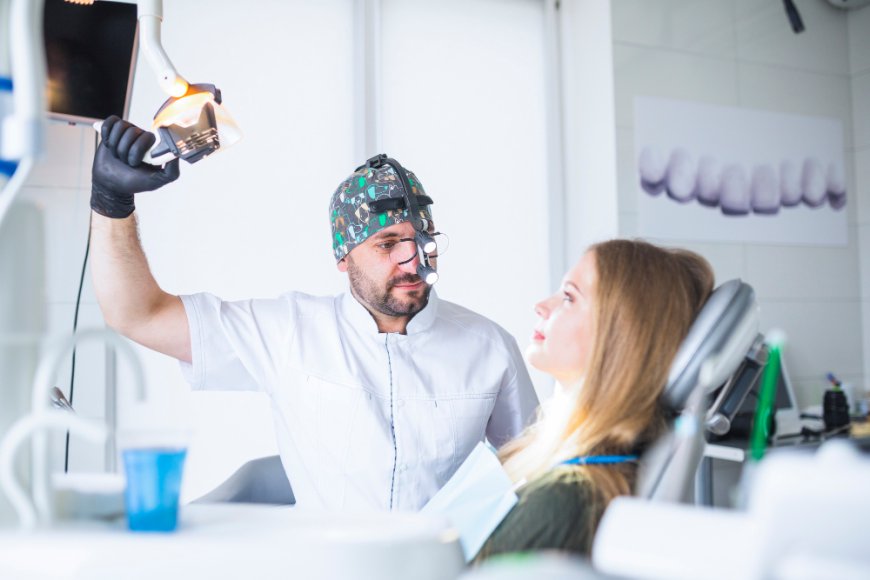
If you've spent any time following implant dentistry trends lately, you've probably noticed a growing interest in specialized osteotomy instruments. Among the most talked-about innovations are bullet shaped drills, which are increasingly finding their way into implant workflows worldwide.
In 2026, implantologists aren't just looking for tools that create an osteotomy—they're looking for technologies that support precision, preserve anatomy, and improve long-term restorative outcomes. As a result, many clinicians are rethinking traditional drilling protocols and exploring alternative approaches to implant site preparation.
One of those approaches involves the use of bullet shaped drills, and the shift is gaining momentum.
Why Implant Site Preparation Is Receiving More Attention
For years, implant dentistry has focused heavily on implant design, surface technology, and surgical placement accuracy. Those factors remain important, but clinicians are increasingly realizing that what happens before implant placement may be just as critical.
Modern implantology is moving toward a more biologically driven philosophy. Instead of simply creating space for an implant, many practitioners are asking how they can better preserve bone, support soft tissue contours, and create a more favorable environment for long-term success.
This shift has placed greater emphasis on osteotomy design and bone architecture.
In other words, implantologists are paying closer attention to the foundation before building the structure.
What Makes Bullet Shaped Drills Different?
Traditional implant drills are typically designed to create cylindrical osteotomies with a primary focus on implant placement.
Bullet shaped drills, however, are designed to shape and profile bone in a way that may better support the surrounding anatomy.
The unique geometry allows clinicians to contour implant receptor sites more intentionally while helping create a scalloped or profiled bone architecture around the implant.
Rather than viewing bone as something that simply needs to be removed, the approach encourages clinicians to think about how bone can be shaped and preserved.
It's a subtle difference in technique, but potentially a significant difference in outcome.
Why More Clinicians Are Adopting Them in 2026
Several industry trends are contributing to the growing popularity of bullet shaped drills.
The Rise of Esthetic Implant Dentistry
Patients today expect more than functional restorations. They want implants that look natural and integrate seamlessly into their smile.
As clinicians pursue better emergence profiles and tissue contours, the shape of the implant site itself becomes increasingly important.
Many implantologists believe that advanced bone profiling techniques can contribute to improved esthetic outcomes by supporting natural tissue architecture from the beginning.
Greater Focus on Bone Preservation
Bone preservation has become a major topic in implant education and clinical discussions.
Research consistently highlights the importance of maintaining crestal bone stability around implants. As a result, clinicians are increasingly interested in techniques that minimize unnecessary bone removal and support anatomical preservation.
Bullet shaped drills align with this philosophy by offering a more controlled approach to bone shaping and contouring.
Growth of Guided Surgery
Digital treatment planning and guided surgery continue to expand throughout implant dentistry.
When clinicians can visualize the desired restorative outcome before surgery begins, they often seek instruments capable of translating that plan accurately into the surgical field.
Advanced profiling tools fit naturally within these digitally driven workflows.
The Universal Shapers Approach
One company frequently associated with this trend is Universal Shapers.
Their patented technology focuses on profiling, sculpting, and scalloping bone during implant site preparation. Rather than viewing osteotomy preparation as a simple drilling procedure, the concept emphasizes creating a biologically favorable architecture around implants.
The Universal Shapers system incorporates bullet shaped drills specifically designed to help clinicians perform bone profiling, scalloping, and implant bedding procedures with greater precision.
For practitioners interested in tissue preservation and restorative-driven treatment planning, this approach offers an alternative perspective on osteotomy preparation.
What Experts and Clinicians Are Saying
Discussions within implantology forums, continuing education programs, and professional conferences increasingly highlight the importance of bone architecture and tissue management.
Many educators now emphasize that implant success should not be measured solely by osseointegration but also by esthetic stability and soft tissue harmony.
Dr. Scott Ganz, a recognized leader in digital implant dentistry, has publicly described advanced osteotomy preparation technologies as a significant evolution in implant site preparation, particularly when integrated into digital workflows.
Meanwhile, clinicians sharing experiences online often report that advanced bone profiling techniques help them achieve greater confidence when planning esthetically demanding cases.
Of course, anecdotal experiences should always be interpreted cautiously. Positive clinical observations are valuable, but they don't replace long-term scientific evidence.
Where the Evidence Is Still Developing
It's important to acknowledge that our understanding of bullet shaped drills continues to evolve.
While many clinicians report favorable outcomes, implant dentistry involves numerous variables including patient anatomy, bone density, surgical technique, implant design, and restorative planning.
No instrument can guarantee success.
Current enthusiasm surrounding advanced bone profiling techniques is encouraging, but additional long-term comparative studies will help clarify exactly which clinical benefits are most significant.
As with many innovations in dentistry, adoption often moves faster than the research.
That's not necessarily a bad thing—it just means healthy skepticism should accompany excitement.
Why This Trend Matters
The growing adoption of bullet shaped drills reflects a larger movement occurring throughout implant dentistry.
The profession is becoming increasingly focused on preserving anatomy, supporting biology, and designing treatment around the final restorative outcome rather than simply the surgical procedure.
Technologies such as Universal Shapers align with this evolution by encouraging clinicians to think differently about implant site preparation.
Instead of asking, "How do I place this implant?" more practitioners are asking, "How do I create the best environment for long-term success?"
That shift in mindset may ultimately be more important than any individual instrument.
Looking Ahead
As implant dentistry continues to evolve, it's likely that conversations about bone architecture, tissue preservation, and restorative-driven osteotomy design will become even more prominent.
Will bullet shaped drills become a standard component of implant workflows? Possibly. Or they may remain specialized tools primarily used by clinicians focused on advanced esthetic and biological implant concepts.
At this stage, the future remains somewhat uncertain.
What seems clear, however, is that implantologists are increasingly recognizing that the shape of the osteotomy influences more than implant placement—it may influence the entire restorative outcome. As technologies like Universal Shapers continue to gain attention, the next chapter of implant dentistry may be defined not just by where implants are placed, but by how the surrounding bone is shaped long before the restoration is delivered.