Why Choose Home-Care Wool Supplies for Bedridden Patients?
 soulcomfortsheep
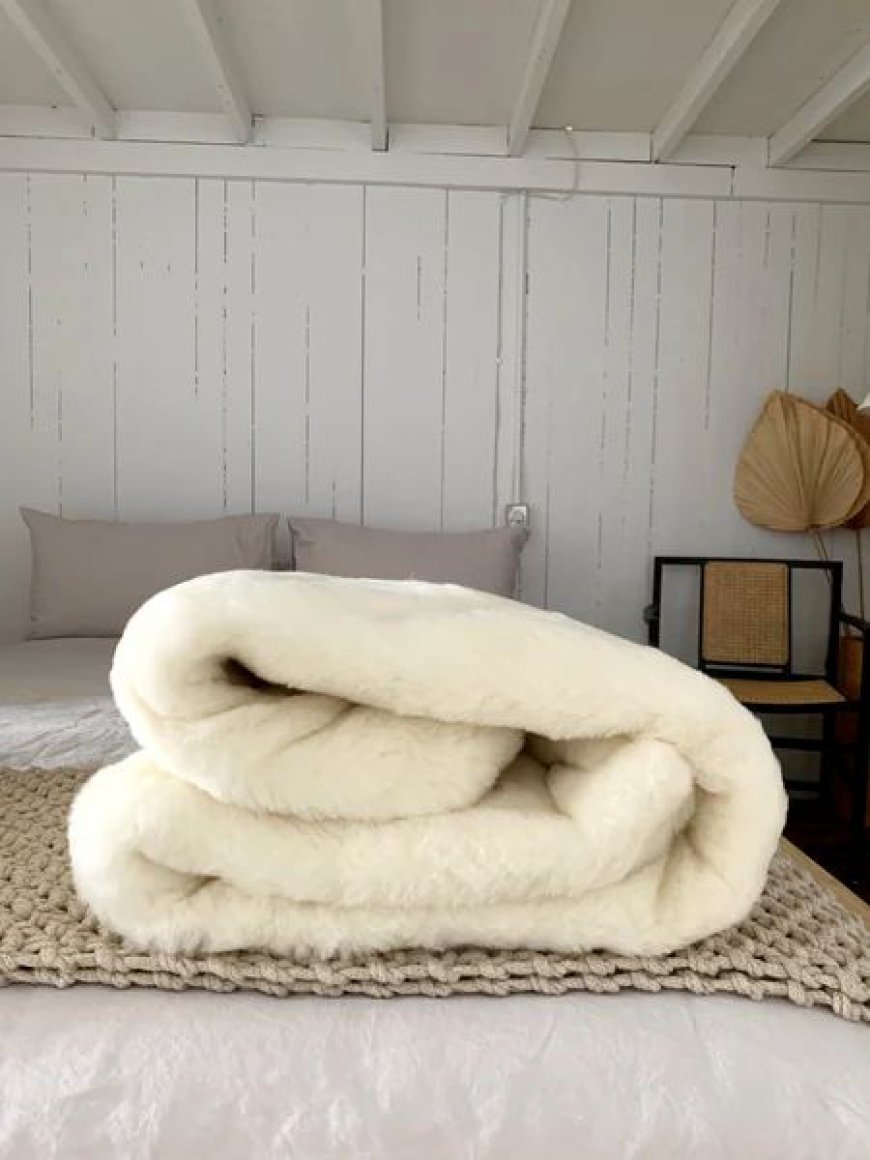
When you care for someone who spends most of the day in bed, comfort becomes part of everyday care. Bedding, moisture, temperature, and pressure can all affect how a person feels during rest. Home-care wool supplies offer a soft, breathable option for daily comfort. The right products may also complement a thoughtful home-care routine without making care feel complicated.
What Makes Wool Helpful During Daily Home Care?
Wool has natural qualities that can make long periods of rest more comfortable. It feels soft against the body and can help manage moisture and warmth. For a person with limited movement, these small details matter. A comfortable surface may make resting easier and create a calmer care environment.
Wool can provide warmth without feeling overly heavy or stuffy. Its fibers also allow air to move through the material. This can be useful when someone spends many hours in bed or experiences changes in body temperature throughout the day.
Still, wool should not replace medical care. Regular repositioning, skin checks, clean bedding, hydration, nutrition, and professional guidance remain important. Think of wool as one useful part of the care kit, not the whole toolbox.
Can Wool Create a Gentler Resting Environment?
For bedridden patients, skin may become more sensitive because of limited movement and long periods of contact with bedding. Choosing comfortable materials can therefore make everyday rest more pleasant.Wool for fragile skin products may provide a soft layer that feels gentle during normal use.
Wool can also help manage moisture. Its fibers can absorb and release moisture vapor, which may help bedding feel less damp or clammy. However, good moisture control also requires regular hygiene, clean bedding, and timely changes when needed.
As a caregiver, pay attention to small changes. Redness, irritation, unusual warmth, swelling, or changes in skin condition should not be ignored. If you notice something concerning, contact a healthcare professional rather than trying to manage the problem alone.
Which Wool Products Can Meet Different Care Needs?
Different situations may call for different wool products. A wool mattress overlay can add a comfortable layer to a bed, while smaller products may provide targeted comfort around areas that need extra support. The right choice depends on the person's mobility, skin condition, comfort needs, and care plan.
Cleaning should also be part of your decision. Products used often need proper care to remain fresh and useful. Always follow the manufacturer's cleaning instructions. Make sure the product stays clean, dry, flat, and properly positioned during use.
For families, practical products can make daily caregiving feel easier. For home healthcare providers and care organizations, durability and simple maintenance may matter just as much as softness. A good product should fit naturally into the routine instead of creating extra work.
How Should You Choose the Right Wool Product?
Start with the person's everyday needs. Where do they need more comfort? Do they feel too warm or too cold? Is moisture a concern? Will the product need frequent washing? These simple questions can help you compare your options.
You should also consider whether the person has an existing wound, sensitive skin, or a high risk of pressure injuries. In these situations, speak with a healthcare professional before introducing a new support product. Professional advice can help you avoid using the wrong product for the person's
Why Can Natural Wool Be a Practical Choice?
Home care can be demanding, especially when you are caring for someone with limited mobility. Small comfort-focused choices can make the daily routine feel more manageable. Wool provides natural softness and can help with moisture and temperature control, which may support a more pleasant resting environment.
However, choosing wool should always be part of a wider care plan. You still need regular repositioning, skin checks, proper hygiene, suitable bedding, good nutrition, hydration, and professional guidance when needed.
The goal is not to replace essential care. It is to add comfort where it makes sense. With the right product and proper use, wool can become a simple addition to everyday home care.
Final Remarks
Caring for a bedridden patient takes patience, consistency, and attention to small details. Home-care wool supplies can support everyday comfort through natural softness, breathability, and moisture management. Before choosing a product, consider the person's individual needs, care routine, and skin condition. When you combine suitable wool products with regular skin checks, repositioning, hygiene, and professional advice, you can create a more comfortable and supportive space for everyday rest.