Why Do Door and Window Manufacturers Need Digital Measurement?
 Michaeljohnusa
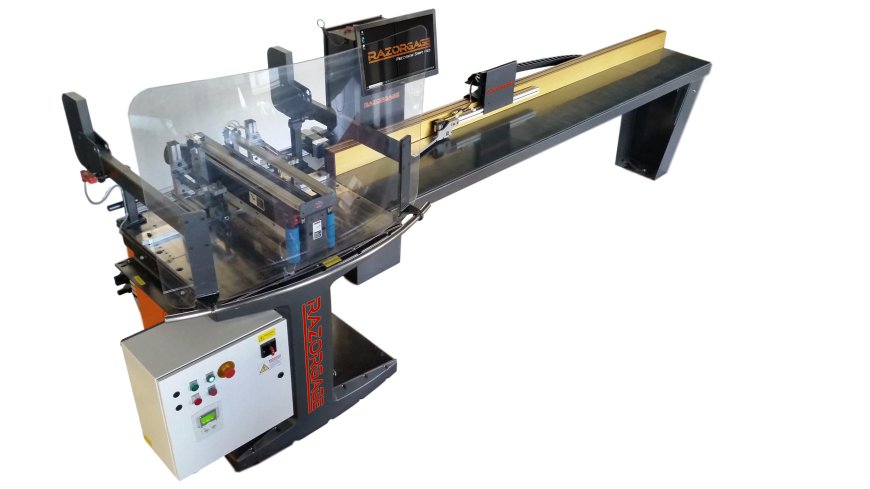
The manufacturing world is changing fast, and the door and window industry is no exception. Traditional methods of cutting and measuring profiles are becoming outdated as precision demands increase. A growing number of fabricators are now turning to an automatic saw measuring system to improve accuracy, reduce waste, and boost overall production efficiency. In this blog, we will explore why digital measurement is no longer a luxury but a necessity for modern door and window manufacturers.
The Issue of Hand Measurements in Making Parts
For years people measured things by hand, yet problems came with that method. Mistakes happen more when workers stay on their feet too long. One slip in reading means a piece gets cut wrong - no way to fix it, so it ends up tossed away. Wasted metal piles up, money slips through fingers slowly. Over months those tiny flaws grow into big bills nobody planned for, turning old habits costly for factories trying to grow.
How Digital Measurement Shifts Outcomes
Every cut lands exactly where it should when digital tools take charge. Locked-in settings repeat without fail, shot after shot. Guessing never enters the picture because human variation fades out completely. Numbers do not need second looks once they are set. Uniform results roll off the line each cycle, making reliability a quiet advantage. Clients get identical output - no surprises, just steady performance.
Accuracy Defines Quality Production
Every now and then, making doors and windows right means staying within strict size limits. A single extra millimeter in a frame part might lead to trouble when putting it together onsite. With digital measurement inputs, those narrow margins get followed without fail. Instead of depending on eyesight or notes scribbled on paper, workers let the system handle precision tasks. Each unit coming off the line gets shaped exactly like the one before - machine reading data, adjusting tools, cutting cleanly from start to finish of any run.
Smart Cutting Lowers Waste
Waste adds up fast when cutting aluminium or PVC profiles. A single wrong measurement turns good stock into scrap. Instead of guessing, digital tools figure out the best way to slice each bar. Getting every inch right means fewer leftovers piling up. Over weeks, those saved bits stretch further than most expect. Less trash ends up on the floor, less new material needs buying. Efficiency like that quietly reshapes shop performance.
Fast production with steady quality
Most times, going fast means missing details when people do it by hand. Instead of rushing, teams take extra minutes to confirm numbers, adjust tools, reset settings ahead of every slice. Yet once computers join the workflow, moving parts follow precise digital cues without delays. Machines push through jobs at full rhythm while code manages sizing automatically behind the scenes. Output climbs sharply - still each piece meets strict standards buyers demand.
Labor Efficiency and Workforce Optimization
Workers still matter just as much in a digital world - yet what they do shifts dramatically. Rather than repeat the same measurements endlessly, time opens up for checking quality, putting parts together, building smarter workflows. Satisfaction climbs when routine fades into the background. Factories stretch every person’s impact without adding bodies to the shop floor.
Works with Today’s Workshop Systems
Out there, today’s factories increasingly link their machinery so devices share info on their own. Inside these networks, digital measuring instruments belong without question. Instead of sitting idle, they pull specs straight from blueprints stored in software. Even mid-job, adjustments roll through instantly - cut schedules change before your eyes. Feedback flows back just as fast, shown plainly on screen for those running the gear. Because everything lines up tightly, waiting fades; once a plan is set, building starts almost right away.
Consistency Across Large Volume Orders
Every single order, big or small, lives or dies by how steady the process stays. Picture someone buying hundreds of window frames - each one needs to fit like the last. When workers do it by hand, tiny shifts creep in, especially after hours of repeating the same move. But machines guided by digital plans never drift; what happens at number one shows up again at number five hundred. That kind of reliability lets factories say yes to massive jobs knowing nothing slips between start and finish.
Long Term Return on Investment
Heavy spending at first might feel steep when bringing in digital measuring tools. Yet what happens later changes everything. Less scrap piles up because mistakes drop sharply. Fewer flawed parts slip through since checks tighten automatically. Time spent fixing errors shrinks without constant backtracking. Production lines move quicker, fueled by steady data flow. Gains pile up silently across months. Early movers gain room to stretch ahead while others hesitate. Growth finds those already moving.
Conclusion
Digital measurement is not just a technological upgrade but a fundamental shift in how the door and window manufacturing industry operates. Every aspect of production, from planning to final cut, benefits from precision, speed, and consistency. An automatic pusher system works in harmony with digital measurement to further streamline material feeding and positioning, making the entire workflow smoother. Manufacturers who embrace this technology today are building a foundation for long-term success in an increasingly competitive market.
FAQs
Q1. Is digital measurement suitable for small-scale manufacturers?
Yes, it is suitable for any scale. Even small workshops benefit from reduced waste and better accuracy.
Q2. How difficult is it to train workers on digital measurement systems?
Most systems are designed with simple interfaces, and basic training is usually sufficient to get operators started confidently.
Q3. Can digital measuring tools handle different profile sizes?
Yes, they are typically programmable to accommodate various profile dimensions and materials used in door and window manufacturing.
Q4. Does using digital measurement reduce the number of workers needed?
It changes how workers are used rather than eliminating jobs. Employees shift toward quality control and higher-skill tasks.