Why EMR in Healthcare is Essential for Modern Hospitals and Clinics
As healthcare continues to embrace digital innovation, EMR software will remain a vital component of modern healthcare infrastructure, helping hospitals and clinics deliver safer, smarter, and more efficient patient care.
 Wondrx
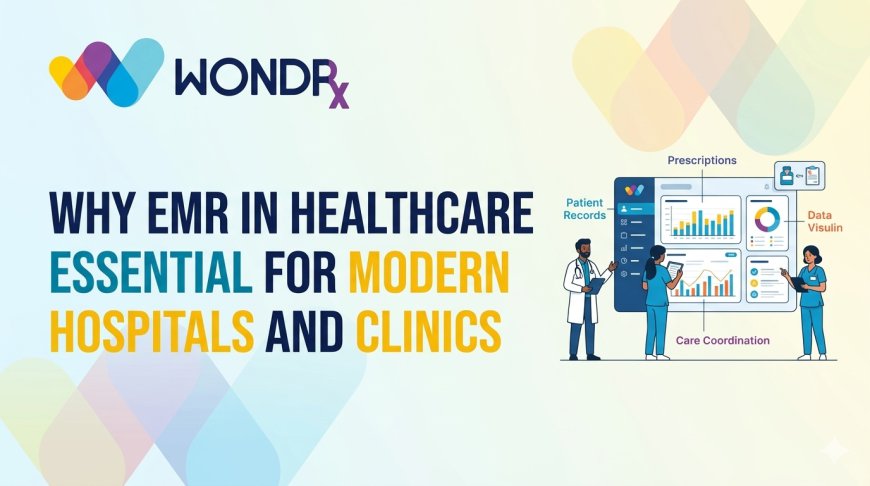
The healthcare industry is rapidly embracing digital transformation to improve patient care, efficiency, and data management. Traditional paper-based medical records are increasingly being replaced with digital solutions that allow hospitals and clinics to manage patient information more effectively. One of the most important technologies driving this transformation is EMR software.
EMR in healthcare refers to Electronic Medical Records, which are digital versions of patient charts containing important information such as medical history, diagnoses, medications, treatment plans, and laboratory results. By adopting EMR medical systems, healthcare providers can store and access patient data quickly, making the overall healthcare process more efficient and reliable.
For modern hospitals and clinics handling thousands of patient records every year, managing information manually can be time-consuming and prone to errors. EMR software helps solve these problems by digitizing patient records and allowing authorized medical professionals to access them instantly. As healthcare becomes more data-driven, the importance of EMR healthcare systems continues to grow.
Understanding EMR in Healthcare
To understand the value of EMR healthcare systems, it is important to know what they are and how they function in modern medical environments. EMR software is designed to store patient information electronically, replacing traditional paper charts that were previously used in hospitals and clinics.
An EMR medical system contains comprehensive patient information such as medical history, treatment records, prescriptions, diagnostic reports, allergies, and immunization details. When a patient visits a healthcare facility, the doctor or medical staff records the patient's information directly into the EMR software. This information is then securely stored and can be accessed by authorized healthcare professionals whenever needed.
Because EMR in healthcare keeps all patient data organized in a centralized system, doctors can easily review medical histories, analyze treatment outcomes, and make better clinical decisions. This digital accessibility improves the quality and speed of healthcare services.
Why EMR Software Matters for Modern Healthcare
Healthcare facilities today must manage increasing patient volumes, complex treatment procedures, and strict regulatory requirements. Relying on paper-based documentation often leads to inefficiencies, misplaced records, and delays in patient care. EMR medical systems provide a digital solution that helps hospitals and clinics operate more efficiently.
When healthcare providers use EMR software, they can access accurate patient information instantly without searching through stacks of files. This improves workflow, reduces administrative burden, and allows doctors to spend more time focusing on patient care rather than paperwork.
Additionally, EMR healthcare systems support better collaboration among healthcare professionals. Doctors, nurses, and specialists can review patient records simultaneously, which helps ensure consistent and coordinated treatment.
Key Benefits of EMR Software in Healthcare
The growing adoption of EMR in healthcare is largely driven by the numerous advantages it offers to hospitals, clinics, and patients.
Some of the most important benefits of EMR software include:
-
Improved patient care: Doctors can access complete patient histories, helping them make faster and more accurate medical decisions.
-
Reduced medical errors: Digital records eliminate issues related to illegible handwriting and incomplete documentation.
-
Faster access to patient information: Healthcare providers can retrieve medical records instantly, which is especially valuable during emergencies.
-
Better coordination among medical staff: Multiple healthcare professionals can review and update patient information through the same EMR healthcare system.
-
Efficient administrative management: Tasks such as appointment scheduling, billing, and documentation become more organized with EMR medical systems.
These benefits make EMR software a valuable tool for improving both patient outcomes and healthcare efficiency.
Improving Healthcare Efficiency Through EMR
Modern healthcare environments require fast and accurate information management. Hospitals and clinics must process large amounts of patient data every day while maintaining high standards of care. EMR healthcare systems help streamline this process by digitizing medical records and simplifying documentation.
With EMR software, doctors can enter clinical notes, prescriptions, and treatment plans directly into the system. This reduces paperwork and minimizes delays caused by manual record handling. The ability to access real-time patient information also improves the speed of diagnosis and treatment.
Because EMR medical systems organize medical data in a structured format, healthcare professionals can analyze patient records more effectively. This leads to better decision-making and improved healthcare delivery.
Data Security in EMR Healthcare Systems
Protecting patient data is a critical responsibility for healthcare organizations. Medical records contain sensitive personal and clinical information that must remain confidential. EMR software includes advanced security features designed to protect this data from unauthorized access.
Most EMR healthcare systems use encryption technologies, secure login authentication, and access controls that allow only authorized staff to view patient information. These systems also maintain activity logs, which help monitor how medical data is accessed and used.
By implementing these security measures, EMR medical systems ensure that patient information remains protected while still being accessible to healthcare professionals when necessary.
Conclusion
The adoption of EMR in healthcare has become essential for modern hospitals and clinics that aim to provide efficient, accurate, and patient-centered medical services. By replacing traditional paper records with digital systems, EMR software enables healthcare providers to manage patient information more effectively and improve the overall quality of care.
EMR medical systems support faster access to patient data, better collaboration among healthcare professionals, and improved administrative efficiency. Although implementing EMR healthcare systems may require investment and training, the long-term benefits far outweigh the challenges.
As healthcare continues to embrace digital innovation, EMR software will remain a vital component of modern healthcare infrastructure, helping hospitals and clinics deliver safer, smarter, and more efficient patient care.