Why Japan's Mountain Villages Are Perfect for Slow Escapes
Discover why Japan's mountain villages offer peaceful, slow escapes, authentic culture, scenic beauty, and unforgettable countryside experiences.
 aileenabela
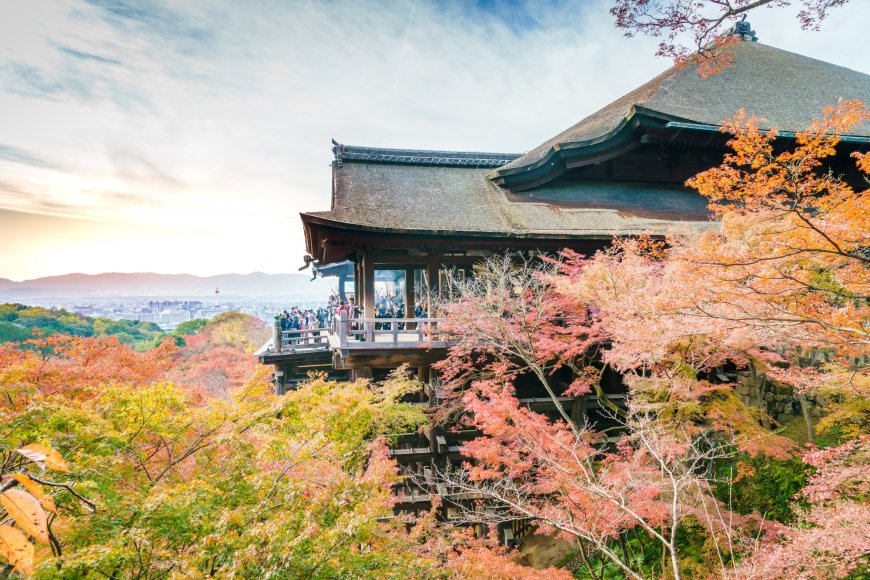
Modern travel often feels rushed. Many travelers try to fit multiple destinations into a single trip, spending more time in transit than actually enjoying the places they visit. While Japan's famous cities like Tokyo, Osaka, and Kyoto attract millions every year, another side of the country offers a completely different experience.
Japan's mountain villages provide a peaceful retreat where time seems to slow down. Surrounded by forests, rivers, traditional wooden houses, and breathtaking landscapes, these hidden communities invite visitors to relax, reconnect with nature, and appreciate local traditions. Instead of chasing crowded attractions, travelers can experience authentic Japanese culture at a comfortable pace.
For anyone looking to escape busy schedules and constant distractions, Japan's mountain villages are among the country's most rewarding destinations.
A Peaceful Escape from Crowded Cities
Japan's major cities are exciting, but they can also be overwhelming. Bright lights, packed train stations, and busy shopping districts create nonstop energy that isn't ideal for everyone.
Mountain villages offer the opposite atmosphere.
The air feels cleaner, the streets are quieter, and daily life moves naturally without pressure. Visitors often find themselves slowing down simply because there is no need to rush. Morning walks become more enjoyable, conversations feel more meaningful, and even a simple cup of tea becomes a relaxing experience.
This peaceful environment makes these villages perfect for travelers seeking rest rather than constant sightseeing. For families who enjoy scenic drives, these quiet countryside routes can easily rival some of the Best Family Road Trip Destinations, offering beautiful landscapes and authentic cultural experiences along the way.
Stunning Natural Beauty Throughout the Year
One of the greatest reasons to visit Japan's mountain villages is their ever-changing natural scenery.
Each season transforms the landscape into something unique:
- Spring brings blooming cherry blossoms alongside fresh greenery.
- Summer covers mountains in vibrant forests and colorful wildflowers.
- Autumn paints valleys with brilliant shades of red, orange, and yellow.
- Winter creates snow-covered villages that look like scenes from a postcard.
Unlike urban parks, these landscapes stretch for miles, allowing visitors to fully appreciate Japan's natural beauty without large crowds.
Photography enthusiasts, hikers, and nature lovers will find endless opportunities to explore peaceful trails, rivers, waterfalls, and mountain viewpoints.
Traditional Architecture That Preserves History
Many mountain villages have carefully preserved homes that are hundreds of years old.
Instead of modern apartment buildings, visitors discover:
- Wooden farmhouses
- Thatched-roof homes
- Narrow stone pathways
- Historic temples
- Small family-owned shops
Walking through these villages feels like stepping back in time. Residents continue traditions passed down through generations, maintaining buildings with great care while preserving the cultural identity of their communities.
Places such as Shirakawa-go and Gokayama are famous examples where traditional architecture remains remarkably intact and continues to attract travelers interested in Japan's heritage.
Authentic Local Culture
Unlike heavily commercialized tourist destinations, mountain villages offer genuine cultural experiences.
Visitors may have the chance to:
- Join seasonal festivals
- Watch traditional craft demonstrations
- Learn local farming practices
- Visit family-run sake breweries
- Participate in tea ceremonies
These experiences are often personal because local communities are smaller and more welcoming. Instead of watching culture from a distance, travelers can actively participate and learn directly from the people who keep these traditions alive.
This authenticity is one of the biggest reasons slow travel has become increasingly popular in rural Japan.
Delicious Regional Cuisine
Food is another highlight of mountain village life.
Because many communities rely on locally grown ingredients, meals often feature fresh vegetables, mountain herbs, handmade noodles, freshwater fish, and regional specialties that are difficult to find elsewhere.
Small family restaurants serve recipes that have remained unchanged for generations.
Some popular local dishes include:
- Handmade soba noodles
- Grilled river fish
- Seasonal mushroom dishes
- Fresh mountain vegetables
- Traditional Japanese pickles
Dining becomes more than just eating; it becomes an opportunity to understand local traditions and agricultural heritage.
Relaxing Hot Springs in Scenic Locations
Many mountain regions are home to natural hot springs, known as onsen.
After a day of walking through forests or exploring historic villages, soaking in mineral-rich hot water surrounded by mountains provides a deeply relaxing experience.
Unlike larger resort towns, rural hot springs are often quieter and less crowded, allowing visitors to fully enjoy the peaceful surroundings.
Many traditional inns, called ryokan, include private or shared hot spring baths along with authentic Japanese hospitality, making overnight stays especially memorable.
Slow Travel Encourages Meaningful Experiences
Slow travel focuses on quality rather than quantity.
Instead of checking famous attractions off a list, travelers spend more time understanding each destination.
Japan's mountain villages naturally encourage this style of travel.
Visitors often:
- Stay longer in one location.
- Build connections with residents.
- Appreciate simple daily routines.
- Spend more time outdoors.
- Discover places that guidebooks rarely mention.
This slower pace creates memories that often last longer than busy sightseeing schedules.
Rather than rushing from one city to another, travelers return home feeling refreshed and inspired.
Supporting Local Communities
Choosing to visit rural destinations also benefits local communities.
Many mountain villages face declining populations as younger generations move to larger cities for work.
Tourism helps support:
- Family-owned guesthouses
- Local restaurants
- Traditional artisans
- Farmers
- Small businesses
Responsible travelers contribute directly to preserving local traditions and encouraging sustainable tourism.
Purchasing handmade crafts, eating at local restaurants, and staying in traditional accommodations all help these communities continue sharing their culture with future visitors.
Planning Your Mountain Village Adventure
Although these villages are more remote than Japan's major cities, many remain accessible by train, bus, or rental car.
When planning your journey, consider how the seasons affect your experience. The Best Time to Visit Japan depends on your travel goals, whether you want cherry blossoms, colorful autumn leaves, lush summer landscapes, or peaceful snowy scenery.
Allowing extra days in your itinerary lets you fully embrace the slower rhythm of rural life instead of treating these villages as quick day trips.
Conclusion
Japan's mountain villages offer something increasingly rare in today's fast-moving world: the chance to slow down.
With breathtaking landscapes, preserved traditions, welcoming communities, delicious regional cuisine, and peaceful surroundings, these destinations provide an authentic travel experience that many visitors never forget.
Whether you're enjoying a quiet morning surrounded by mountains, soaking in a natural hot spring, or sharing a homemade meal with local hosts, every moment feels more meaningful when life moves at a gentler pace.
For travelers looking beyond Japan's famous cities, the country's mountain villages prove that sometimes the most memorable journeys are the slowest ones.