

Why Sustainable Wood Sealing Is Changing the Way We Protect Outdoor Surfaces
Wood has a natural character that makes decks, fences, siding, patios, furniture, and outdoor structures feel warm and inviting.

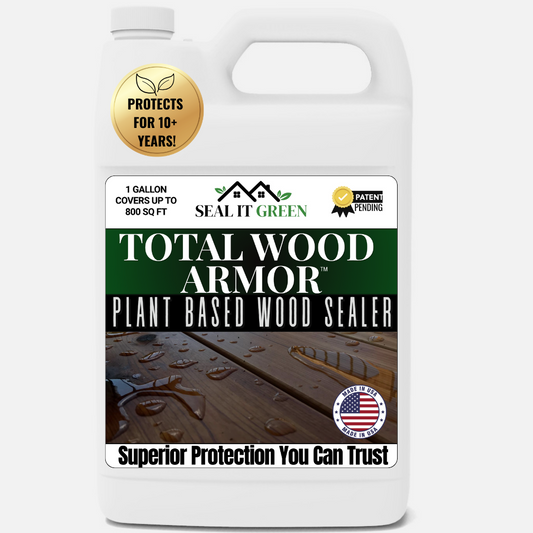
Why Sustainable Wood Sealing Is Changing the Way We Protect Outdoor Surfaces
Introduction: Wood Protection Is More Than Just a Finish
Wood has a natural character that makes decks, fences, siding, patios, furniture, and outdoor structures feel warm and inviting. But once exposed to rain, sunlight, moisture, dirt, and changing temperatures, even quality wood can begin to fade, dry out, crack, or absorb water.
That is where wood sealer becomes important. A properly selected sealer helps create a protective barrier while allowing the wood to maintain much of its natural appearance. However, today's homeowners and builders are also thinking beyond basic protection. They want products that support longer-lasting surfaces without unnecessarily compromising environmental priorities.
This shift has increased interest in green wood sealer and other sustainable approaches to wood protection. The goal is not simply to cover the surface. It is to protect the material thoughtfully, extend its useful life, and make maintenance a more responsible part of property care.
What Makes a Wood Sealer a Smarter Choice?
A sealer works by helping protect wood from conditions that gradually weaken it. Outdoor wood is particularly vulnerable because moisture can enter the surface, while ultraviolet exposure can change its color and contribute to deterioration.
A good sealing routine can help reduce these problems and keep the surface looking cared for between maintenance cycles.
Consider a cedar deck, for example. Without appropriate protection, repeated exposure to rain and direct sunlight can cause the boards to weather unevenly. Applying the right sealer at the appropriate time can help slow moisture penetration and preserve the wood's appearance.
The important point is that sealing is not a one-product-fits-every-situation decision. Wood species, location, exposure, existing finish, and desired appearance should all influence the product and application method.
- Pro Tip: Always test a small, less-visible section first. Different wood species can react differently to sealers, and a test area gives you a better idea of the final appearance before treating the entire surface.
Choosing a Green Wood Sealer Without Sacrificing Performance
The phrase green wood sealer can mean different things depending on the product and its formulation. For homeowners, sustainability should be considered alongside practical performance rather than treated as a completely separate issue.
Look at factors such as the ingredients, application requirements, durability, odor, maintenance needs, and overall environmental considerations. A product that protects wood effectively and helps extend the life of a surface may reduce the need for frequent stripping, refinishing, repairs, or replacement.
For instance, imagine two backyard fences exposed to the same weather. One requires frequent refinishing because its protective coating breaks down quickly. The other maintains its protective qualities for considerably longer. The second option may require fewer maintenance materials and less repeated work over the life of the fence.
This is why sustainable wood care should be viewed from a broader perspective. The most responsible choice is not necessarily the product with the most appealing label. It is the option that combines appropriate protection, thoughtful formulation, proper application, and long-term usefulness.
Where Sustainable Wood Sealer Makes the Most Sense
A Sustainable wood sealer can be particularly useful for projects where preserving existing wood is preferable to replacing it.
Think about a weathered garden bench. If the structure is still sound but its surface has become dull and exposed, restoring and sealing it may give the material a longer useful life. The same principle can apply to decks, pergolas, fences, exterior siding, planters, and other wooden features.
Sustainable Wood Sealer for Outdoor Projects
Outdoor projects benefit from protection because they face environmental stress throughout the year. A deck may experience intense summer sunlight, heavy rain, foot traffic, and seasonal temperature changes. A fence may deal with constant moisture and ground-level humidity.
Here are a few practical examples:
Example 1: Backyard Deck
A homeowner wants to preserve the natural appearance of newly installed wood while reducing moisture-related concerns. A suitable sealer can provide surface protection while complementing the wood's natural character.
Example 2: Older Fence
Instead of replacing boards that are structurally sound but visibly weathered, cleaning, preparing, and sealing them may help extend their service life.
Example 3: Outdoor Furniture
Tables and benches can deteriorate quickly when left untreated outdoors. Regular inspection and appropriate sealing can help maintain their appearance and protect the surface from everyday exposure.
Preparation Matters More Than Most People Expect
Even an excellent sealer cannot compensate for poor surface preparation.
Before applying a product, the wood should be evaluated for dirt, old coatings, mildew, moisture, damage, and uneven areas. Depending on the condition, cleaning or light preparation may be necessary.
Wood should also be sufficiently dry before sealing. Applying a product to damp material can interfere with proper absorption or adhesion and may affect the finished result.
Application conditions matter too. Extremely hot weather, direct intense sunlight, rain, or excessive humidity can make the process more difficult. Following the manufacturer's instructions for temperature, drying time, coverage, and reapplication is one of the simplest ways to improve the outcome.
Pro Tip: Don't judge coverage only by how quickly the product disappears into the wood. Follow the recommended coverage rate and application instructions to avoid uneven protection.
Think Beyond Appearance
One of the biggest mistakes in wood maintenance is treating sealing as purely cosmetic. While a refreshed appearance is certainly a benefit, the larger purpose is helping protect the material from everyday exposure.
A well-maintained wooden surface can remain useful and attractive for longer, which can be valuable from both a maintenance and sustainability perspective. Extending the life of an existing material is often more sensible than allowing preventable deterioration to lead to premature repairs or replacement.
That does not mean sealing eliminates every maintenance concern. Wood will still age naturally, and different species behave differently. Instead, sealing should be considered one part of a broader maintenance strategy that includes regular inspection, cleaning, repairs, and appropriate reapplication.
Conclusion: Protect Wood With a Longer View
Choosing a sealer is ultimately about more than achieving a particular color or finish. The right approach considers how the wood is used, what environmental conditions it faces, how often it will need maintenance, and how long the material can realistically remain in service.
Whether you're maintaining a deck, restoring a fence, or protecting outdoor furniture, thoughtful sealing can help preserve the value and character of wood. For homeowners who want protection with sustainability in mind, green wood sealer and Sustainable wood sealer options provide another way to approach wood care with the bigger picture in mind.
The best results come from choosing the right product for the surface, preparing the wood properly, and treating maintenance as an ongoing investment rather than a one-time task.




Comments (0)