Why Water Treatment Plants Prefer Stainless Steel Bag Filter Housing
Learn why stainless steel bag filter housing is the preferred choice for water treatment plants, offering corrosion resistance, durability, and cleaner filtration.
 filtersciences
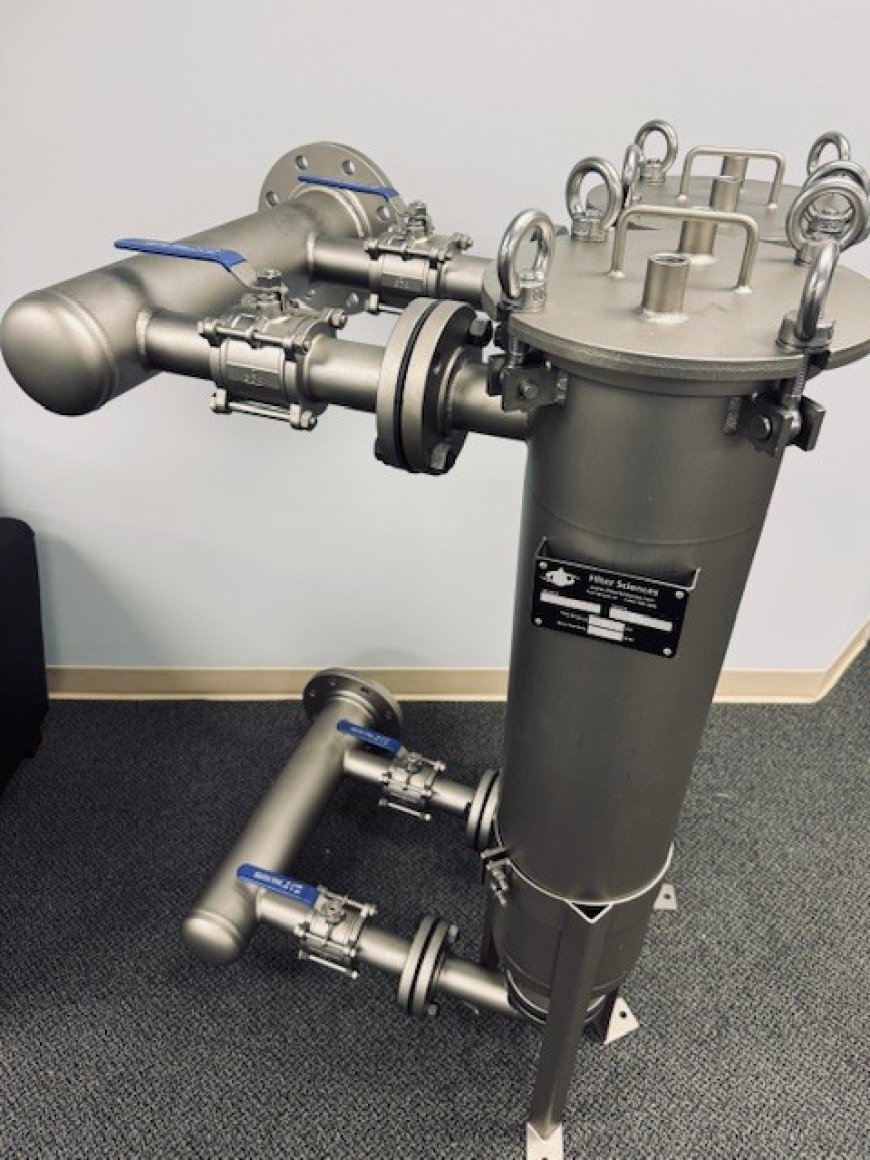
Water treatment facilities choose stainless over carbon steel because corrosion in a bag filter housing doesn't just shorten equipment life, it introduces the exact contaminants - rust, iron particulate - that treatment plants are trying to remove in the first place. Stainless resists that breakdown even under constant exposure to chlorinated or mineral-heavy water, which is why it's become close to the default spec across the industry.
What Goes Wrong With Carbon Steel in a Water System?
Carbon steel housings are cheaper on day one, and that's about where the advantage ends. Constant contact with water, especially anything with dissolved minerals or chlorine, wears down the internal surface over time. Flakes of rust end up downstream, and now the housing meant to protect the system is actively contaminating it. Plants that have been through that cycle once rarely go back to it - a properly specified stainless steel bag filter housing just doesn't have that failure mode.
How Does Stainless Actually Change the Filtration Outcome?
The material difference isn't cosmetic. Stainless resists pitting, holds up to repeated CIP (clean-in-place) cycles, and doesn't leach anything into water that's often headed toward potable use or sensitive discharge points. A few practical outcomes plants notice after switching:
- Fewer unplanned housing replacements over a multi-year service life
- No iron contamination feeding into downstream disinfection stages
- Easier sanitation between filtration runs, especially in multi-bag configurations
- Better resale or requalification value versus corroded carbon steel units
Does Flow Capacity Change With Stainless Construction?
Not really, and that's part of the appeal - you're not trading throughput for durability. Manufacturers building solely in stainless, one supplier's line runs flows from roughly 200 GPM up to 20,000 GPM per unit, so plants scaling from a small municipal system to a large industrial water treatment operation can stay within the same bag filter housings family instead of switching vendors as demand grows.
What Should a Plant Look for Before Buying?
This is where a lot of procurement teams cut corners, and it costs them later. A few things worth checking:
- Confirm 304 vs. 316 stainless - 316 handles higher chloride exposure better
- Ask about zero-discharge design so bag changes don't dump fluid
- Check whether stock units are available versus a multi-week custom build
- Verify micron rating flexibility for seasonal turbidity changes
Is Stainless Worth It for Smaller Treatment Plants Too?
Generally, yes. Even a mid-sized plant running a single bag filter housing will usually recover the higher upfront cost through fewer replacements and less unplanned downtime. One Fort Wayne–based manufacturer known for stocking these units domestically has leaned entirely into this approach, treating industrial bag filter housing builds as stainless-only rather than offering a cheaper carbon alternative - a bet that's paid off as more water treatment operators move away from carbon steel altogether. It's a shift that mirrors what's already happened in the data center and chemical processing space, and water treatment looks to be next.