Wisdom Tooth Extraction Healing Stages Pictures: What to Expect Every Day
Discover what to expect after wisdom tooth removal with tooth extraction healing stages pictures. Learn the daily recovery timeline, healing signs, dry socket symptoms, and aftercare tips.
 newpost21
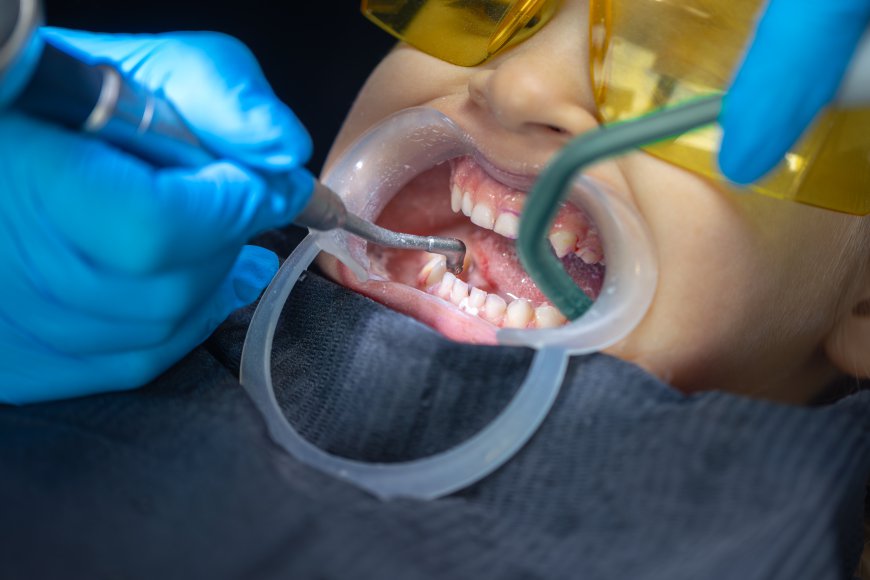
Wisdom tooth removal is one of the most common oral procedures, yet many people feel uncertain about what recovery should look like afterward. This often leads patients to search for "tooth extraction healing stages pictures" to compare their recovery progress and determine whether their healing is normal.
Wisdom tooth extractions can sometimes involve a longer recovery period than standard tooth extractions because these teeth are often impacted, partially erupted, or located deep within the jaw. Understanding the daily healing process can help reduce anxiety and allow you to recognize both normal healing signs and potential complications.
In this comprehensive guide, we'll explore the day-by-day healing timeline after wisdom tooth extraction, explain what changes occur at each stage, and provide practical recovery tips to support faster healing.
Why Wisdom Tooth Healing Is Different
Wisdom teeth are the last molars located at the back of the mouth. Because they often emerge at awkward angles or remain trapped beneath the gums, their removal can be more complex than extracting other teeth.
As a result, healing may involve:
-
More swelling
-
Greater tissue trauma
-
Increased jaw stiffness
-
Longer recovery periods
Many people searching for "tooth extraction healing stages pictures" specifically want to know whether their wisdom tooth extraction site looks normal during healing.
Day 1: Blood Clot Formation Begins
What Happens?
Immediately after the wisdom tooth is removed, the body starts forming a protective blood clot within the extraction socket.
The clot is critical because it:
-
Stops bleeding
-
Protects exposed bone
-
Covers sensitive nerves
-
Supports tissue regeneration
What the Site Looks Like
The extraction area often appears:
-
Dark red
-
Slightly swollen
-
Moist
In most "tooth extraction healing stages pictures", the first-day appearance is dominated by the visible blood clot.
Normal Symptoms
-
Mild bleeding
-
Swelling
-
Tenderness
-
Numbness from anesthesia
Recovery Tips
-
Bite gently on gauze
-
Rest for the day
-
Avoid spitting forcefully
-
Avoid drinking through straws
Day 2: Inflammation Peaks
What Happens?
Your body's natural inflammatory response becomes more noticeable.
This response helps:
-
Remove damaged tissue
-
Prevent infection
-
Initiate repair
What the Site Looks Like
The extraction area may appear:
-
More swollen
-
Red around the edges
-
Slightly bruised
Many patients worry that increased swelling means something is wrong, but it is often a normal part of recovery.
Normal Symptoms
-
Moderate swelling
-
Jaw tightness
-
Mild discomfort
Day 3: Maximum Swelling Stage
For many people, swelling reaches its highest point around the third day.
What You May Notice
-
Puffy cheeks
-
Difficulty opening the mouth fully
-
Mild bruising around the jaw
What the Socket Looks Like
The blood clot should still be present.
Examples of "tooth extraction healing stages pictures" often show the extraction site appearing darker during this stage.
Warning Signs
Seek professional attention if you experience:
-
Fever
-
Severe pain
-
Excessive bleeding
-
Pus formation
Day 4: Early Healing Tissue Forms
What Happens?
The body begins replacing the blood clot with granulation tissue.
What Is Granulation Tissue?
Granulation tissue consists of:
-
New blood vessels
-
Collagen fibers
-
Healing cells
Appearance
The extraction site may develop:
-
White tissue
-
Cream-colored patches
-
Yellowish healing layers
Many people mistake this appearance for infection, but it is often a positive sign of recovery.
Day 5: Reduced Inflammation
By the fifth day, many patients notice significant improvement.
Normal Changes
-
Less swelling
-
Reduced pain
-
Easier speaking and eating
What the Site Looks Like
The socket often appears:
-
Cleaner
-
Less inflamed
-
More organized
When reviewing "tooth extraction healing stages pictures", this stage often shows visible healing progress.
Day 6: Gum Tissue Development Begins
What's Happening?
New gum tissue starts forming around the extraction site.
Healthy Signs
-
Pink tissue development
-
Smaller socket appearance
-
Reduced redness
Symptoms
Most patients report:
-
Mild discomfort only
-
Improved jaw movement
-
Better overall comfort
Day 7: Completion of First Week
The first week represents a major milestone in recovery.
What You May Notice
-
Significant reduction in swelling
-
Improved chewing ability
-
Less tenderness
Appearance
The extraction site often shows:
-
White healing tissue
-
Pink gum growth
-
Smaller socket size
Most "tooth extraction healing stages pictures" show noticeable improvement by the end of the first week.
Week 2: Gum Closure Progresses
What Happens?
The gums begin covering the extraction socket more completely.
Appearance
Healthy healing includes:
-
Pink tissue
-
Minimal inflammation
-
Shrinking extraction hole
Symptoms
Most individuals experience:
-
Very little pain
-
Improved eating ability
-
Better oral comfort
Week 3: Advanced Soft Tissue Healing
By the third week, recovery continues steadily.
Changes During This Stage
-
Gum tissue strengthens
-
The socket continues closing
-
Sensitivity decreases
What It Looks Like
The area often appears:
-
Smooth
-
Pink
-
Less noticeable
Many patients no longer feel significant discomfort.
Week 4: Surface Healing Near Completion
What Happens?
The extraction site becomes increasingly difficult to distinguish from surrounding gum tissue.
Appearance
Examples of "tooth extraction healing stages pictures" often show:
-
Nearly complete gum closure
-
Minimal visible indentation
-
Healthy gum color
Function
Most patients can comfortably return to:
-
Normal eating habits
-
Regular brushing routines
-
Everyday activities
Month 2: Bone Healing Continues
Although the gums may look healed, deeper healing continues beneath the surface.
What Happens?
The jawbone gradually fills the socket with new bone tissue.
Why Bone Healing Matters
Bone regeneration helps:
-
Maintain jaw structure
-
Support oral health
-
Prepare for future restorative treatments if needed
Months 3–6: Final Recovery Stages
Bone Remodeling
New bone tissue becomes stronger and more organized.
Long-Term Results
The extraction site eventually becomes:
-
Stable
-
Healthy
-
Fully functional
Most patients experience complete recovery during this period.
Normal Signs of Wisdom Tooth Healing
Gradual Pain Reduction
Pain should steadily decrease over time.
Pink Gum Tissue
Healthy gums appear pink and firm.
Smaller Extraction Socket
The hole gradually closes.
Reduced Swelling
Swelling should improve after the first few days.
Better Jaw Movement
Jaw stiffness usually decreases each day.
Common Complications to Watch For
Dry Socket
A common complication when the blood clot becomes dislodged.
Symptoms
-
Severe pain
-
Visible bone
-
Bad breath
-
Ear pain
Infection
Possible symptoms include:
-
Fever
-
Pus
-
Persistent swelling
-
Foul taste
Delayed Healing
Smoking and poor oral hygiene may slow recovery.
Foods to Eat During Recovery
First Few Days
-
Yogurt
-
Applesauce
-
Smooth soups
-
Pudding
-
Mashed potatoes
After One Week
-
Pasta
-
Eggs
-
Rice
-
Soft fish
-
Cooked vegetables
Foods to Avoid
-
Chips
-
Nuts
-
Popcorn
-
Hard candy
-
Crunchy foods
Tips for Faster Wisdom Tooth Recovery
Protect the Blood Clot
Avoid activities that may dislodge it.
Stay Hydrated
Drink plenty of water.
Follow Post-Extraction Instructions
Proper aftercare reduces complications.
Avoid Smoking
Smoking significantly delays healing.
Get Adequate Rest
Rest supports tissue regeneration.
Wisdom Tooth Healing Timeline Summary
Day 1
Blood clot forms.
Days 2–3
Swelling reaches its peak.
Days 4–7
Granulation tissue develops.
Week 2
Gums begin closing the socket.
Weeks 3–4
Soft tissue healing progresses.
Months 2–6
Bone regeneration and remodeling continue.
Conclusion
Healing after wisdom tooth extraction is a gradual process that involves much more than simply waiting for the extraction hole to close. Understanding each stage of recovery can help reduce anxiety and make it easier to recognize healthy healing.
While "tooth extraction healing stages pictures" offer useful visual references, remember that every person's healing timeline is slightly different. Most patients experience steady improvement when they follow proper aftercare instructions, maintain good oral hygiene, and avoid habits that may interfere with healing.
By understanding what to expect each day, you can approach recovery with confidence and identify potential concerns before they become serious.
FAQs
1. How long does wisdom tooth extraction take to heal?
Soft tissue usually heals within 3–4 weeks, while complete bone healing may take several months.
2. Is white tissue normal after wisdom tooth extraction?
Yes. White tissue is often granulation tissue, which is a normal part of healing.
3. When does swelling peak after wisdom tooth removal?
Swelling commonly reaches its highest point around days two or three.
4. What does a healthy wisdom tooth extraction site look like?
Healthy healing typically includes a stable blood clot, pink gum tissue, and gradual closure of the socket.
5. How can I tell if I have dry socket?
Dry socket often causes severe pain, exposed bone, bad breath, and pain radiating to the ear.
6. Why is there still a hole after several weeks?
The socket closes gradually as gum and bone tissue regenerate.
7. Why do people search for tooth extraction healing stages pictures?
Many individuals use "tooth extraction healing stages pictures" to compare their recovery progress and determine whether healing appears normal.
8. When should I seek professional help?
Seek evaluation if you develop severe pain, fever, pus, worsening swelling, or persistent bleeding.