10 Barriers to Education in Rural India and How We Can Solve Them
Education is the foundation of progress, yet millions of children in rural India face obstacles that prevent them from attending school.
 krishnatomarsf
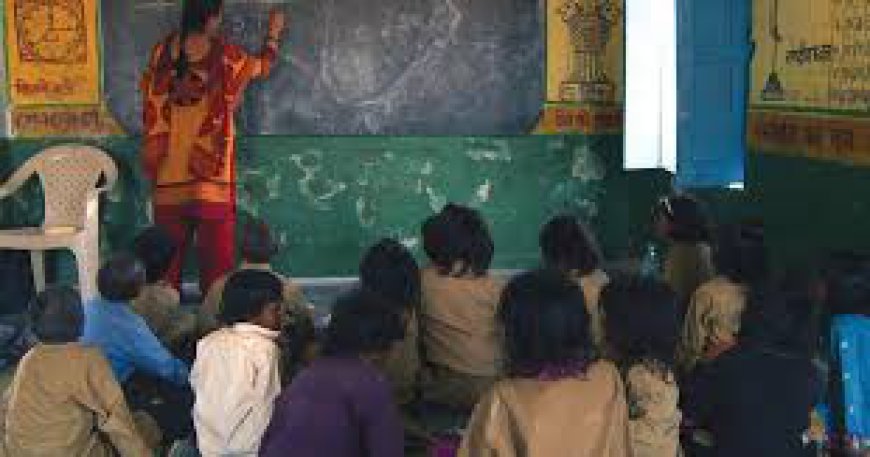
Education is the foundation of progress, yet millions of children in rural India face obstacles that prevent them from attending school. These barriers range from poverty and distance to deep-rooted social issues like gender discrimination. The result is a cycle where children remain deprived of opportunities, and communities struggle to grow. Understanding the barriers to education in rural India is the first step toward finding solutions. With the combined efforts of government, NGOs, and individuals, these challenges can be overcome, ensuring that every child has the chance to learn and thrive.
Poverty and Financial Constraints
Poverty is one of the biggest barriers to education in rural India. Families struggling to meet basic needs often prioritize earning over schooling. Children are pushed into labor to support household income, leaving little room for education. Scholarships, free midday meals, and NGO-led sponsorship programs can help ease this burden, making education more accessible for poor families.
Distance and Lack of Infrastructure
Many villages lack nearby schools, forcing children to walk long distances. Poor roads and lack of transport make this journey unsafe and discouraging. Building more schools in remote areas and providing safe transport facilities can reduce dropout rates. Mobile learning centers run by NGOs also help bring education closer to children in isolated communities.
Gender Discrimination
Girls in rural India often face cultural barriers that prevent them from attending school. Early marriage, household responsibilities, and safety concerns keep them away from classrooms. Promoting awareness about the value of girls’ education, providing separate sanitation facilities, and offering community support programs can encourage families to send their daughters to school.
Child Labor
Economic hardship often forces children into labor, robbing them of their right to education. Strict enforcement of child labor laws, combined with community awareness campaigns, can reduce this practice. NGOs play a vital role by rescuing children from labor and enrolling them in schools, ensuring they get a second chance at learning.
Lack of Trained Teachers
Even when schools exist, the absence of trained teachers affects the quality of education. Many rural schools face high teacher absenteeism and limited resources. Training programs, digital teaching tools, and NGO-led volunteer initiatives can help improve teaching standards and ensure children receive meaningful education.
Language Barriers
India’s linguistic diversity often creates challenges in rural classrooms. Children may struggle when the medium of instruction differs from their mother tongue. Bilingual teaching methods and localized learning materials can make education more inclusive and effective.
Poor Infrastructure and Facilities
Dilapidated classrooms, lack of electricity, and inadequate sanitation discourage children from attending school. Improving infrastructure through government schemes and NGO partnerships can create safe and welcoming learning environments.
Social Norms and Mindsets
Traditional beliefs sometimes undervalue education, especially for girls. Changing mindsets requires consistent community engagement. NGOs often organize awareness drives, parent meetings, and cultural programs to highlight the importance of education for all children.
Health and Nutrition Issues
Malnutrition and poor health affect children’s ability to learn. Many rural children attend school hungry, which impacts concentration and performance. Initiatives like midday meal schemes and health check-ups supported by NGOs ensure that children are healthy enough to learn.
Limited Access to Technology
Digital learning has become essential, but rural children often lack access to devices and internet connectivity. NGOs are bridging this gap by setting up digital classrooms, providing tablets, and training teachers to use technology effectively.
The Role of NGOs like Smile Foundation
Smile Foundation is one of the leading NGOs addressing these barriers. Through its Mission Education program, it provides underprivileged children with access to quality schooling, healthcare, and life skills. By working closely with communities, Smile Foundation ensures that children not only attend school but also thrive academically and socially. Their outcome-based approach focuses on measurable progress, making education impactful and sustainable.
The Way Forward
The barriers to education in rural India are complex but not insurmountable. Poverty, distance, and discrimination can be overcome with collective action. Government policies, community involvement, and NGO interventions must work hand in hand. As individuals, we can support NGOs, spread awareness, and encourage families to prioritize education. The way forward lies in ensuring that every child, regardless of background, has the opportunity to learn. When rural children are educated, India moves closer to becoming a nation of equality, opportunity, and progress.