Breathable Bed Sheets and Lightweight Bedsheets: Choosing the Perfect Bedding for Comfortable Sleep
breathable bed sheets and lightweight bedsheets involves understanding how different fabrics affect airflow, moisture management, durability, and overall sleeping comfort
 diva369
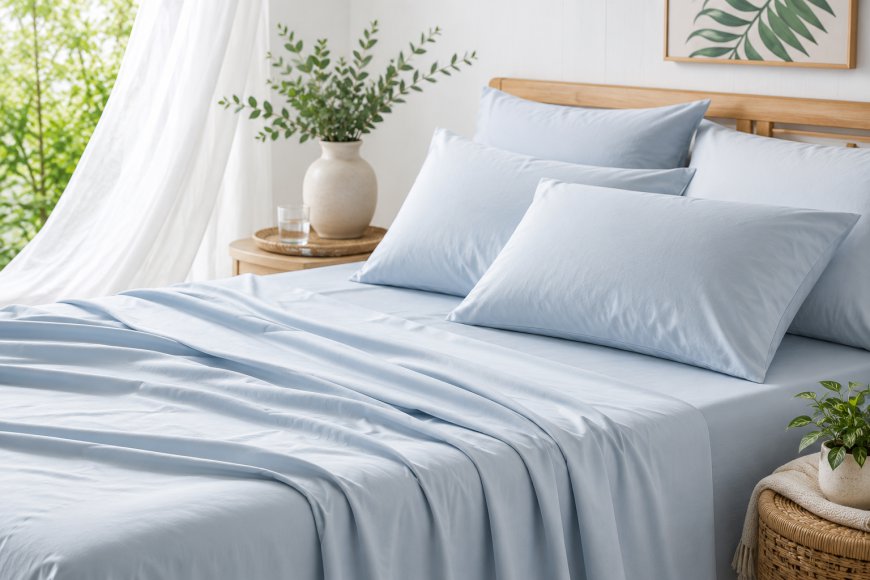
A comfortable bed begins with high-quality sheets that help regulate body temperature and create a pleasant sleeping environment throughout the year. Breathable bed sheets allow air to circulate freely, reducing heat buildup and helping sleepers remain cool and dry. At the same time, lightweight bedsheets provide a soft feel without adding unnecessary weight, making them especially suitable for warmer climates and year-round comfort. Choosing the right bedding involves understanding fabric types, weave patterns, durability, and maintenance requirements. With the right knowledge, homeowners can select bedding that improves sleep quality while complementing the overall appearance of the bedroom.
What is the best breathable bed sheet?
The best breathable bed sheet is one made from natural fibers that encourage consistent airflow while efficiently absorbing and releasing moisture. Cotton remains one of the most trusted options because its fibers naturally allow heat to escape instead of trapping it against the body. Long staple cotton varieties are especially valued for their smooth texture, strength, and long-lasting performance.
Linen is another excellent choice for people who experience warm nights because its loose fiber structure promotes exceptional ventilation. Bamboo-derived fabrics also provide a soft feel with effective moisture management. The ideal option depends on personal comfort preferences, local climate, mattress type, and desired softness. Many bedding specialists, including Coverlet's Comfort, recommend selecting premium-quality fabrics with durable stitching and balanced thread counts for lasting comfort.
What type of bed sheets are breathable?
Several bed sheet materials are naturally breathable because of the way their fibers and weaving methods allow air circulation. Natural fabrics generally outperform many synthetic materials when it comes to temperature regulation and moisture control. A breathable fabric keeps the sleeping surface comfortable by reducing excess warmth and allowing perspiration to evaporate more efficiently.
Popular breathable sheet materials include:
-
Cotton with percale weave for a crisp and cool sleeping surface.
-
Linen for excellent airflow and natural moisture control.
-
Bamboo viscose blends that combine softness with cooling comfort.
-
Tencel fibers that offer smooth texture and efficient moisture absorption.
-
Cotton blends that balance durability with improved breathability.
In addition to fabric selection, choosing fitted sheets that match mattress depth helps prevent bunching and improves overall sleeping comfort. Washing sheets regularly without heavy fabric softeners also helps preserve the fabric's natural airflow properties.
Are cotton bed sheets more breathable than microfiber?
Cotton bed sheets are generally more breathable than microfiber because natural cotton fibers permit greater air movement through the fabric. This improved ventilation helps regulate body temperature and reduces the feeling of overheating during sleep. Cotton also absorbs moisture effectively, making it suitable for people who perspire during the night.
Microfiber sheets are manufactured from extremely fine synthetic fibers that create a tightly woven fabric. While microfiber can feel smooth and lightweight, it often retains more body heat because of its dense construction. Some premium microfiber products include moisture management features, but they usually cannot match the natural breathability of quality cotton.
For hot sleepers, humid climates, and summer use, cotton typically provides a cooler sleeping experience. Microfiber may still appeal to buyers seeking wrinkle resistance, affordability, and easy maintenance, especially during cooler seasons.
What material is best for lightweight bed sheets?
The best material for lightweight bed sheets depends on the balance between softness, durability, cooling ability, and ease of maintenance. Cotton remains one of the most practical choices because it combines light weight with everyday durability and comfortable airflow. Percale-woven cotton sheets are especially appreciated for their crisp finish and airy construction.
Other excellent lightweight materials include linen, bamboo-derived fabrics, and Tencel. Linen becomes softer with repeated washing while maintaining excellent ventilation. Bamboo-based fabrics often provide a silky texture and good moisture management. Tencel offers a smooth surface with natural temperature-regulating properties.
When shopping for lightweight sheets, consider these important factors:
-
Fabric composition.
-
Weave style.
-
Thread count appropriate for breathability.
-
Mattress size compatibility.
-
Ease of washing and drying.
-
Overall durability after repeated use.
Selecting quality materials helps ensure long-term comfort while reducing the need for frequent replacements.
Are lightweight cotton bed sheets good for summer?
Lightweight cotton bed sheets are an excellent choice for summer because they promote continuous airflow and reduce heat retention throughout the night. Cotton fibers naturally absorb moisture from the skin while allowing it to evaporate, creating a cooler and more comfortable sleeping environment. This combination makes lightweight cotton suitable for both air-conditioned rooms and naturally warm bedrooms.
Percale cotton sheets are especially popular during hot weather because their simple weave creates a fresh, crisp texture that feels cool against the skin. Pairing lightweight cotton sheets with breathable quilts or light coverlets further improves sleeping comfort without adding unnecessary warmth.
Proper care also contributes to performance. Wash cotton sheets using mild detergent, avoid excessive fabric softener, and dry them according to the manufacturer's instructions. Rotating between multiple sheet sets helps reduce wear while extending fabric life. Choosing the correct mattress size ensures a secure fit that stays smooth during sleep and supports better overall comfort.
Practical Tips for Choosing Breathable Bed Sheets and Lightweight Bedsheets
When selecting new bedding, focus on both material quality and practical performance rather than thread count alone. High-quality natural fibers often outperform extremely high thread counts that may restrict airflow. Consider your local climate, sleeping habits, and preferred bedding layers before making a purchase.
Measure your mattress carefully, including any mattress topper, before buying fitted sheets. Coordinating lightweight bedsheets with breathable comforters, quilts, and coverlets creates a balanced sleep environment suitable for changing seasons. Reading product care instructions before washing helps maintain softness, shape, and cooling performance over time. Investing in well-made bedding can improve sleep quality while providing lasting value for years of regular use.
Conclusion
Selecting breathable bed sheets and lightweight bedsheets involves understanding how different fabrics affect airflow, moisture management, durability, and overall sleeping comfort. Natural materials such as cotton, linen, bamboo-derived fabrics, and Tencel each offer distinct advantages depending on climate and personal preferences. Choosing properly sized sheets, maintaining them with gentle washing practices, and pairing them with suitable bedding layers helps create a consistently comfortable sleeping environment. Well selected bedding supports better temperature regulation, improves nightly comfort, and maintains its appearance through regular use. A thoughtful investment in quality sheets contributes to healthier sleep, greater relaxation, and long-lasting bedroom comfort throughout every season.