Complete Guide to CPU Processors in IT Hardware
CPU processor, Processors, processors, IT Hardware, Computer Hardware, PC Processor, Computer Processors, Laptop Processors, CPU, Technology
 ethanoliver2
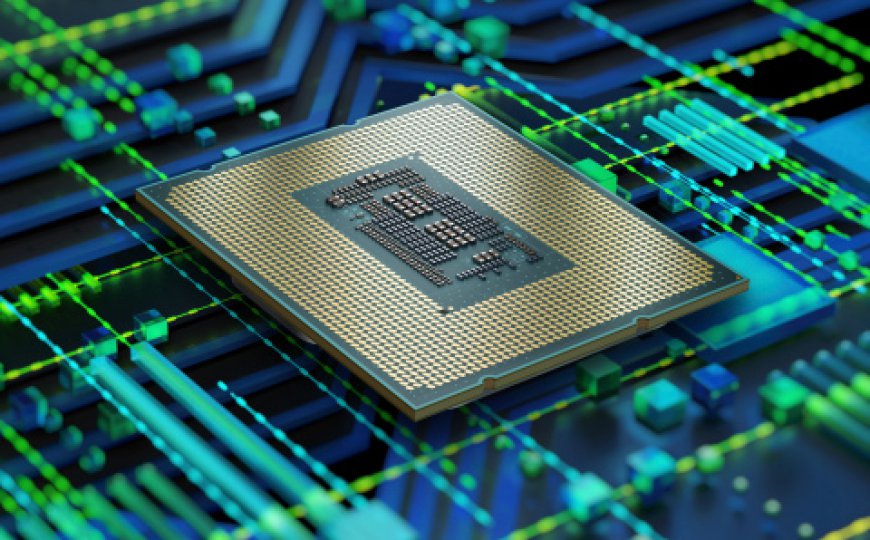
In today’s world of IT hardware and computer hardware, a CPU processor is one of the most critical components in any computing system. Often referred to as the brain of the computer, processors are responsible for executing instructions, running applications, and performing calculations. Every task, whether it’s browsing the internet, gaming, or running complex software, relies on efficient computer processors.
Both PC processors and laptop processors serve similar purposes but are optimized differently to meet specific performance and power requirements. Understanding how a CPU processor works is essential for anyone looking to maximize system performance or make informed hardware upgrades.
What is a CPU Processor?
A CPU processor (Central Processing Unit) is the primary component that interprets and executes instructions from software applications. It processes data, performs calculations, and coordinates communication between other computer components. Without processors, computer hardware would be unable to function.
Modern CPU processors are highly sophisticated, capable of performing billions of operations per second. They come in multiple cores, with each core handling a separate thread of instructions. This allows multitasking, faster processing, and better overall performance. Both desktop PC processors and mobile laptop processors rely on multi-core architectures to balance speed and power consumption.
Evolution of CPU Processors
The evolution of CPU processors has been remarkable. Early computers used single-core processors capable of performing one task at a time. Today, modern processors feature multiple cores, hyper-threading, advanced cache memory, and integrated graphics, making them powerful enough for gaming, professional workstations, and servers.
For IT hardware professionals, understanding the differences between generations of computer processors is essential. Intel Core, AMD Ryzen, and Apple M-series processors have different architectures and performance characteristics, which directly affect the efficiency of PC processors and laptop processors.
Types of CPU Processors
Desktop PC Processors
Desktop PC processors are designed for maximum performance and versatility. They have higher clock speeds, more cores, and higher thermal limits compared to mobile laptop processors. These computer processors are ideal for gaming, video editing, 3D rendering, and other tasks requiring significant computational power.
Laptop Processors
Laptop processors are designed to balance performance and energy efficiency. These CPU processors are optimized for low power consumption and heat management to extend battery life while providing adequate processing power. While they may be slightly slower than desktop processors, modern laptop processors are highly capable and suitable for most professional and personal tasks.
Server and Enterprise Processors
For enterprise IT hardware, server-grade CPU processors are optimized for reliability, scalability, and handling multiple virtual machines. These computer processors often feature many cores, support for large amounts of RAM, and specialized features like error-correcting code (ECC) memory.
Key Features of CPU Processors
When choosing a CPU processor, there are several critical factors to consider:
-
Clock Speed: Measured in GHz, this determines how fast a processor can execute instructions.
-
Number of Cores: Multi-core processors can handle multiple tasks simultaneously.
-
Cache Memory: High-speed memory within the CPU improves data access for critical applications.
-
Thermal Design Power (TDP): Indicates how much heat a CPU processor generates.
-
Integrated Graphics: Some PC processors and laptop processors include GPU capabilities for basic gaming and multimedia tasks.
Evaluating these features helps users select the right computer processors for their needs, whether for IT hardware deployments, gaming PCs, or professional laptops.
How CPU Processors Work
A CPU processor executes instructions from software applications in a cycle known as the fetch-decode-execute process. The processor fetches an instruction from memory, decodes it to understand the operation, and executes it. This process happens billions of times per second in modern processors, allowing computers to run complex software and multitask efficiently.
Advanced computer processors also use technologies like hyper-threading, branch prediction, and multi-level caches to maximize performance. Both PC processors and laptop processors utilize these technologies, though laptop processors prioritize efficiency and thermal management.
CPU Processors in IT Hardware
In IT hardware, CPU processors are central to system performance. Servers, workstations, and network devices rely on high-performance computer processors to manage data, run applications, and support virtualization. Enterprise IT environments often deploy multiple PC processors in clusters to maximize processing power.
For professional users, choosing the right CPU processor ensures faster computation, reduced latency, and improved reliability. Both PC processors and laptop processors play a critical role in data centers, cloud computing, and high-performance computing (HPC) environments.
Benefits of Upgrading Your CPU Processor
Upgrading to a modern CPU processor can significantly improve system performance. Newer processors offer higher clock speeds, more cores, better energy efficiency, and improved compatibility with modern computer hardware.
Gamers benefit from faster PC processors, while professionals working with video editing or 3D modeling benefit from multi-core laptop processors. For IT professionals, upgrading computer processors in servers or workstations ensures smoother operations and better scalability.
Differences Between PC and Laptop Processors
While PC processors focus on high performance, laptop processors emphasize energy efficiency and heat management. Desktop computer processors can run at higher clock speeds and sustain performance longer due to better cooling solutions.
Laptop CPU processors, on the other hand, are optimized to extend battery life while providing sufficient computational power. Understanding these differences is essential for choosing the right processors for specific applications, whether it’s gaming, professional work, or general computing.
Impact of CPU Processors on Computer Performance
The choice of CPU processor directly affects the performance of any computer system. Fast PC processors allow quick multitasking, smoother gaming, and faster software execution. Efficient laptop processors help maintain longer battery life and adequate performance for mobile computing.
Modern computer processors also improve the responsiveness of operating systems, applications, and cloud-based workloads. Selecting the right CPU processor ensures that both personal and enterprise IT hardware systems perform optimally.
Specialized CPU Processors
Some computer processors are designed for specialized tasks. For example:
-
Gaming processors have higher clock speeds and overclocking capabilities.
-
Workstation processors handle heavy workloads such as 3D rendering or scientific computing.
-
Mobile processors prioritize efficiency for long battery life in laptops.
Choosing the right type of processor ensures optimal system performance for specific computing needs.
Future Trends in CPU Processors
The future of CPU processors in IT hardware is exciting. Technologies like AI acceleration, multi-die architectures, and advanced semiconductor processes are making computer processors faster and more efficient. Both PC processors and laptop processors are expected to deliver higher performance while consuming less power, enabling new applications in gaming, AI, and cloud computing.
Conclusion
In summary, CPU processors are the cornerstone of modern IT hardware and computer hardware. From PC processors to laptop processors, these computer processors dictate system speed, efficiency, and reliability. Understanding the types, features, and performance of processors is essential for gamers, professionals, and IT experts.
Upgrading to modern CPU processors ensures smoother multitasking, faster computing, and better overall productivity. As technology advances, computer processors will continue to play a pivotal role in shaping the performance of desktops, laptops, and enterprise IT hardware systems.