How Cortical Release Drills Improve Surgical Precision and Stability
 universalshapers
Introduction
Dental implant procedures require precision at every stage, from osteotomy preparation to final implant placement. Even a small deviation can affect implant stability and long-term success. This is where cortical release drills play an important role. These specialized drills are designed to create controlled cortical bone release, making implant placement more predictable while reducing unnecessary stress on the surrounding bone.
In this article, we'll explore how cortical release drills improve surgical precision, enhance implant stability, and why choosing high-quality instruments is essential for successful outcomes.
What Are Cortical Release Drills?
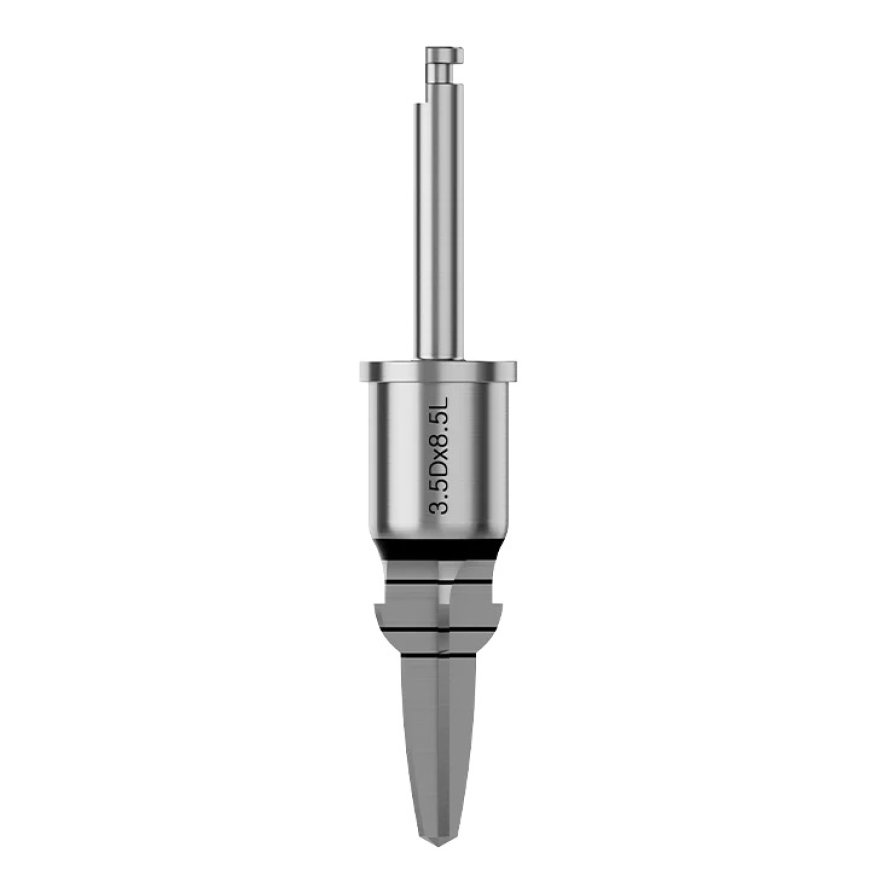
Cortical release drills are specialized dental implant drills designed to prepare the cortical bone before implant placement. Unlike conventional drills, they help create controlled bone expansion while maintaining the integrity of the surrounding tissues.
These drills are commonly used in implant procedures where precise osteotomy preparation is required, particularly in dense cortical bone. Their design allows clinicians to achieve better accuracy and improve the overall surgical experience.
Why Surgical Precision Matters in Implant Dentistry
Successful implant treatment depends on accurate implant positioning. Poor osteotomy preparation can lead to complications such as:
-
Reduced primary implant stability
-
Excessive pressure on surrounding bone
-
Increased surgical trauma
-
Longer healing time
-
Higher risk of implant failure
Using the right surgical instruments helps minimize these challenges while supporting predictable clinical outcomes.
How Cortical Release Drills Improve Surgical Precision
Controlled Bone Preparation
Cortical release drills allow clinicians to prepare the osteotomy with greater control. Their specialized cutting geometry enables smooth penetration through cortical bone while minimizing unnecessary bone removal.
This controlled preparation helps maintain the desired implant trajectory throughout the procedure.
Improved Implant Positioning
Accurate osteotomy preparation results in more precise implant placement.
Benefits include:
-
Better angulation
-
Correct implant depth
-
Consistent implant positioning
-
Enhanced prosthetic outcomes
Improved positioning contributes to both functional and aesthetic success.
Reduced Heat Generation
Excessive heat during drilling can damage surrounding bone tissue.
Well-designed cortical release drills provide efficient cutting performance, helping reduce friction and heat generation when used with proper irrigation and recommended drilling protocols.
Enhancing Implant Stability
Primary implant stability is one of the most important factors influencing osseointegration.
Cortical release drills contribute by:
-
Supporting controlled bone expansion
-
Preserving healthy bone structure
-
Reducing unnecessary compression
-
Creating an ideal implant site
This results in improved mechanical stability immediately after implant placement.
Benefits for Clinicians
Using high-quality cortical release drills offers several clinical advantages:
-
Greater surgical confidence
-
Predictable osteotomy preparation
-
Improved procedural efficiency
-
Better control during implant placement
-
Reduced risk of surgical complications
These benefits can help clinicians perform implant procedures with greater consistency.
Choosing High-Quality Cortical Release Drills
Not all implant drills offer the same level of performance. When selecting cortical release drills, consider factors such as:
-
High-quality surgical-grade stainless steel
-
Precision manufacturing
-
Excellent cutting efficiency
-
Compatibility with implant systems
-
Sterilization durability
-
Long-lasting sharpness
Reliable instruments contribute to smoother surgical workflows and better patient outcomes.
Why Professionals Choose Universal Shapers
When it comes to precision implant instruments, Universal Shapers has earned the trust of dental professionals around the world. The company specializes in manufacturing advanced dental implant drills and surgical instruments designed to deliver consistent performance in demanding clinical environments.
Universal Shapers focuses on:
-
Precision-engineered cortical release drills
-
High-quality surgical-grade materials
-
Exceptional manufacturing standards
-
Reliable cutting performance
-
Durable instruments suitable for repeated sterilization
-
Products designed to support accurate osteotomy preparation and predictable implant placement
Whether you're performing routine implant procedures or managing complex clinical cases, Universal Shapers provides dependable solutions that help clinicians achieve greater surgical precision and stability.
Best Practices for Using Cortical Release Drills
To maximize clinical performance:
-
Follow the recommended drilling sequence.
-
Maintain adequate irrigation throughout the procedure.
-
Use appropriate drilling speeds.
-
Inspect drills regularly for wear.
-
Replace worn drills when necessary.
-
Follow manufacturer guidelines for cleaning and sterilization.
Proper instrument maintenance ensures consistent performance and extends the lifespan of surgical tools.
Conclusion
Cortical release drills have become an essential part of modern implant dentistry by improving surgical precision, supporting controlled bone preparation, and enhancing implant stability. Their ability to reduce surgical trauma while maintaining accurate osteotomy preparation contributes to predictable and successful implant outcomes.
Choosing premium-quality instruments from trusted manufacturers such as Universal Shapers further enhances clinical confidence and procedural efficiency. By investing in precision-engineered implant drills, dental professionals can deliver safer procedures, improved patient experiences, and long-term implant success.