How Does Vector Facelift Compare to Thread Lifts?
Both Vector Facelift and thread lifts offer effective solutions for facial rejuvenation, but they cater to different needs and expectations.
 Dynamic Clinic
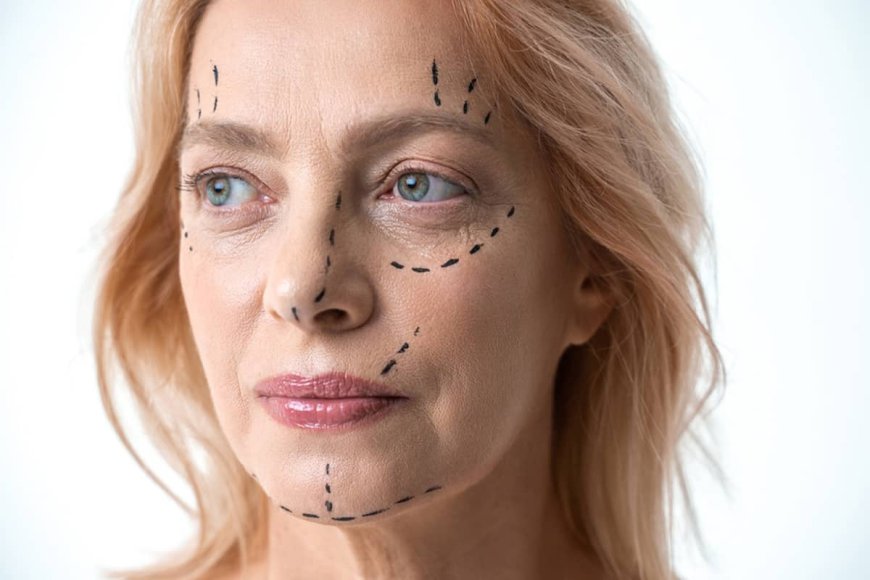
In today’s aesthetic world, non-surgical facial treatments have gained immense popularity, especially in a beauty-conscious market like Dubai. Among these, the Vector Facelift stands out as an advanced approach to lifting and rejuvenating the face without invasive surgery. When considering options like thread lifts, many patients explore Vector Facelift in Dubai as a more refined and long-lasting solution. Both treatments aim to combat sagging skin, improve contours, and restore youthful definition, but they differ significantly in technique, results, and overall effectiveness.
What is a Vector Facelift?
A Vector Facelift is a strategic, non-surgical treatment that focuses on lifting the face along natural anatomical vectors. Instead of simply adding volume, it repositions tissues in a way that mimics a surgical facelift, but without incisions.
Key Features of a Vector Facelift
-
Uses advanced dermal fillers or bio-stimulators
-
Targets deeper facial layers
-
Restores structural support
-
Enhances natural facial contours
This method emphasizes harmony and balance, making it particularly appealing to individuals seeking subtle yet noticeable improvements.
What Are Thread Lifts?
Thread lifts involve inserting dissolvable threads under the skin to lift sagging areas. These threads physically pull the skin upward and stimulate collagen production over time.
Key Features of Thread Lifts
-
Minimally invasive procedure
-
Immediate lifting effect
-
Temporary support structure
-
Mild collagen stimulation
Thread lifts are often considered a quick fix for mild to moderate sagging.
Technique Differences Between the Two
The main distinction between a Vector Facelift and thread lifts lies in their approach.
A Vector Facelift focuses on restoring volume and repositioning tissues using injectables, working with the face’s natural lifting directions. In contrast, thread lifts rely on mechanical lifting using threads inserted beneath the skin.
Thread lifts physically pull the skin upward, while a Vector Facelift enhances internal support and structure, leading to a more natural and gradual lift.
Results and Longevity
When comparing results, both treatments offer visible improvements, but their longevity and quality differ.
Thread lifts provide an immediate lift, which can be appealing for those seeking quick results. However, the effect may diminish as threads dissolve and the lifting tension reduces.
A Vector Facelift, on the other hand, delivers longer-lasting results because it improves the skin’s structure and stimulates collagen. The results tend to look more natural and evolve over time rather than appearing suddenly.
Natural Appearance and Aesthetic Outcome
One of the biggest concerns for patients is achieving natural-looking results.
Vector Facelift treatments are known for enhancing facial harmony without creating an overdone or artificial look. Because the technique follows natural facial vectors, it maintains the individual’s unique features.
Thread lifts can sometimes create tightness or uneven lifting if not carefully performed. While many patients achieve satisfactory outcomes, the results may not always match the subtle refinement of a Vector Facelift.
Downtime and Recovery
Both procedures are minimally invasive, but recovery experiences can vary.
Thread lifts may involve mild swelling, bruising, or discomfort due to the insertion of threads. Some patients may feel tightness or pulling sensations for a few days.
A Vector Facelift typically involves less discomfort and minimal downtime, as it uses injectable techniques rather than inserting physical threads. Most individuals can return to daily activities quickly.
Suitability for Different Skin Types and Ages
The choice between these treatments often depends on the individual’s skin condition and goals.
Thread lifts are generally suitable for:
-
Mild to moderate skin laxity
-
Younger individuals seeking early intervention
A Vector Facelift is more versatile and can be tailored for:
-
Mild to advanced signs of aging
-
Volume loss and sagging
-
Individuals seeking a comprehensive rejuvenation
Safety and Precision
Safety is a key factor when choosing any aesthetic treatment.
A Vector Facelift allows for precise placement of fillers, offering controlled and customizable results. The technique is designed to work with facial anatomy, reducing the risk of unnatural outcomes.
Thread lifts, while generally safe, involve inserting foreign materials under the skin, which can sometimes lead to complications like asymmetry or thread migration if not performed properly.
Which Option Offers Better Value?
While both treatments have their place, the value lies in the quality and longevity of results.
Thread lifts may be suitable for those looking for a temporary lift with minimal commitment. However, a Vector Facelift provides a more comprehensive approach by addressing both volume loss and sagging, making it a preferred option for many individuals in Dubai’s competitive aesthetic landscape.
Why Many Prefer Vector Facelift in Dubai
Dubai’s aesthetic audience often seeks treatments that deliver natural, long-lasting, and refined results. The Vector Facelift aligns well with these expectations by offering a sophisticated approach to facial rejuvenation. In a city known for advanced cosmetic treatments, many individuals are now leaning toward the Best Vector Facelift Dubai approach for its ability to provide balanced and elegant outcomes without surgery.
Conclusion
Both Vector Facelift and thread lifts offer effective solutions for facial rejuvenation, but they cater to different needs and expectations. Thread lifts provide a quick and temporary lift, while a Vector Facelift delivers deeper structural improvements and more natural-looking results. For those seeking a modern, non-surgical facelift option that prioritizes long-term enhancement and facial harmony, the Vector Facelift stands out as a superior choice. Understanding these differences can help individuals make informed decisions and achieve results that align with their aesthetic goals.