Is Tesla Battery Repair Better Than Full Replacement?
Explore whether Tesla battery repair is better than replacement, comparing costs, performance, and long-term value to help you make an informed decision.
 warrenvale
0
16
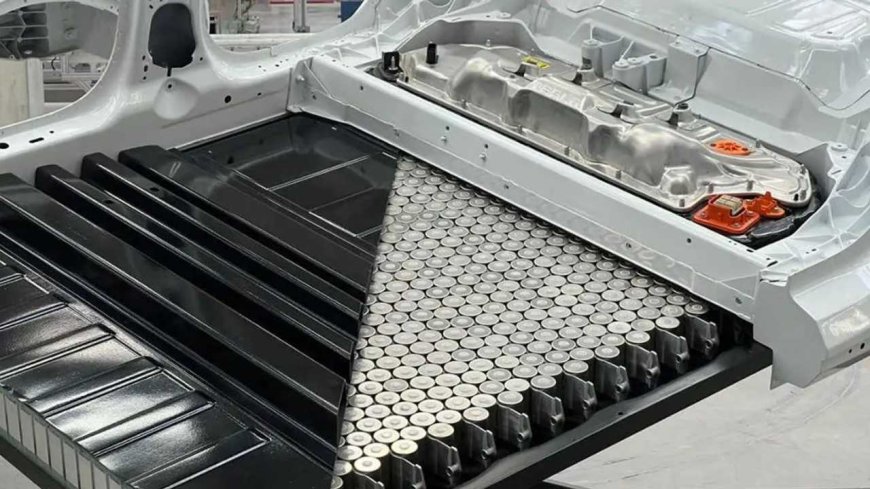
When a vehicle’s battery begins to show signs of wear, owners often face a critical decision: repair or full replacement. This choice becomes even more relevant with electric vehicles, where the battery is one of the most valuable and complex components. Understanding the differences between these options can help drivers make informed, practical decisions that align with both performance needs and long-term costs.
Understandiery Degradation
Over time, all batteries experience gradual capacity loss. Factors such as charging habits, temperature exposure, and mileage contribute to this natural decline. However, degradation does not always mean the battery is unusable. In many cases, only specific sections of the battery pack are affected, leaving the rest functional.
This is where tesla battery repair becomes a viable option. Instead of replacing the entire unit, technicians can identify and address faulty modules or cells. By focusing only on the affected areas, repair can restore performance without unnecessary intervention.
Comparing Costs and Practical Value
One of the main considerations is cost efficiency. Full battery replacement can be expensive due to the scale and complexity of the component. Repair, on the other hand, often involves less labor and fewer materials, making it a more accessible option for many owners.
That said, the value of repair depends on the condition of the battery. If degradation is limited or localized, repair offers a balanced solution between cost and performance. However, if the battery has widespread damage, replacement may provide more consistent long-term reliability.
Performance and Longevity Considerations
A common concern is whether repair can match the performance of a new battery. While a repaired battery may not return to its original factory condition, it can still deliver dependable performance for daily use. Advances in diagnostics and repair techniques have improved the effectiveness of this approach.
Choosing Tesla battery repair can extend the usable life of a battery while maintaining stable output. It is particularly useful for drivers who do not require maximum range but still want reliable operation. In contrast, full replacement is more suitable for those seeking a complete reset in performance and longevity.
Environmental Impact
Repairing instead of replacing also carries environmental benefits. Battery production involves significant resource extraction and energy use. By repairing existing components, fewer materials are discarded, and the demand for new production is reduced.
This approach supports a more sustainable lifecycle for electric vehicles. Even small decisions, like opting for repair when appropriate, contribute to minimizing waste and conserving resources over time.
When Replacement Makes More Sense
Despite the advantages of repair, there are situations where replacement is the better option. Severe damage, extensive wear, or repeated performance issues may indicate that the battery has reached the end of its practical lifespan. In these cases, replacement ensures reliability and reduces the likelihood of recurring problems.
It is important to evaluate the battery’s condition through proper diagnostics before making a decision. A clear understanding of the extent of degradation helps determine whether repair or replacement will deliver better results.
Making an Informed Decision
Ultimately, the choice between repair and replacement depends on individual needs, budget, and vehicle usage. Both options have their place, and neither is universally better. For many drivers, Tesla battery repair offers a practical middle ground, balancing cost savings with restored functionality.
By considering factors such as performance expectations, environmental impact, and long-term value, vehicle owners can make decisions that align with their priorities. With the right approach, maintaining an electric vehicle’s battery can be both efficient and sustainable.