How Safe Are Crown Hair Transplants for Men and Women?
Restore your hair naturally with Crown Hair Transplant in Dubai, a safe, effective, and long-lasting solution for a fuller, youthful, and confident look.
 Dynamicclinic123
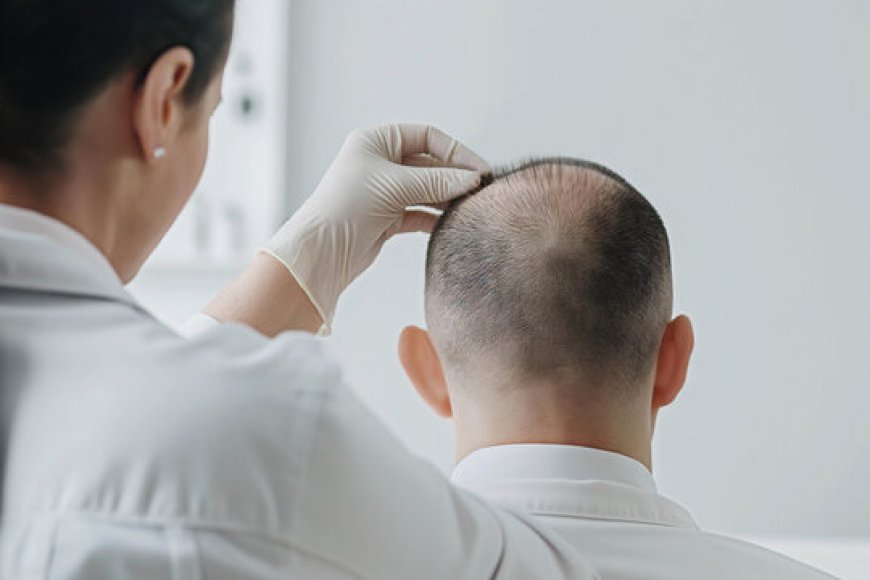
Hair loss can affect both men and women, often leading to a decrease in confidence and self-esteem. Among the various options for restoring hair, crown hair transplants in Dubai have become increasingly popular for their ability to target thinning areas at the crown and create a fuller, natural look. However, many individuals wonder how safe this procedure is and whether it suits different hair types and health conditions. Understanding the process, potential risks, and recovery is essential before deciding on a crown hair transplant.
Understanding Crown Hair Transplants
Crown hair transplants are a specialized form of hair restoration that focuses on the upper back portion of the scalp, commonly referred to as the crown or vertex. Hair loss in this area can be particularly noticeable, creating a circular thinning pattern that can expand over time.
The procedure typically involves harvesting hair follicles from a donor area, usually the back or sides of the scalp, and transplanting them into the thinning crown. Techniques such as Follicular Unit Extraction (FUE) or Follicular Unit Transplantation (FUT) are commonly used. FUE involves extracting individual hair follicles and transplanting them one by one, minimizing scarring and recovery time. FUT, on the other hand, involves removing a strip of scalp and dividing it into grafts, which can be more efficient for covering larger areas but may leave a linear scar.
Safety Considerations for Men and Women
General Safety
Crown hair transplants are generally considered safe for both men and women when performed in a controlled environment. Because the procedure is minimally invasive, major complications are rare. The use of local anesthesia reduces risks associated with sedation and allows patients to remain awake throughout the procedure.
Potential Risks
While complications are uncommon, it’s important to be aware of possible side effects. These may include:
- Temporary swelling or redness: Mild inflammation around the transplanted area is common and usually resolves within a few days.
- Scabbing or crusting: Small scabs may form around the grafts, which naturally fall off as the healing process progresses.
- Itching or numbness: Some patients experience temporary sensations in the scalp, which typically improve over time.
- Infection: Although rare, infections can occur if proper hygiene is not maintained.
For both men and women, realistic expectations are important. Hair growth after the transplant may take several months to become noticeable, and multiple sessions may be required for optimal coverage, especially in cases of extensive thinning.
Gender-Specific Considerations
While the procedure is effective for both sexes, men and women may have different patterns of hair loss. Men often experience more defined balding at the crown, whereas women may have diffuse thinning. This difference can affect how the transplant is planned and how many grafts are needed. Women may also be more sensitive to the appearance of scars or changes in hairline density, making careful planning essential.
Procedure and Recovery
Crown hair transplants are outpatient procedures, meaning patients can go home the same day. Recovery generally involves minimal downtime, with most individuals able to resume light activities within a few days.
Post-procedure care is crucial to ensure the safety and success of the transplant. This includes gentle scalp care, avoiding direct sun exposure, and following instructions on washing and medication. Patients should also avoid strenuous activities that could disrupt grafts during the initial healing phase.
Long-Term Results and Maintenance
Once the transplanted hair follicles take root, they are generally permanent and behave like natural hair. However, ongoing hair loss in non-transplanted areas can still occur, so some individuals may choose maintenance treatments to preserve overall hair density.
Regular follow-ups and adherence to post-procedure guidelines contribute to long-lasting results. With proper care, both men and women can enjoy improved hair density and a natural-looking crown that enhances their overall appearance.
Conclusion
Crown hair transplants in Dubai provide a safe and effective solution for restoring hair at the crown for both men and women. While minor side effects such as swelling or temporary redness are possible, serious complications are rare when the procedure is performed under controlled conditions. Understanding the process, setting realistic expectations, and following post-procedure care are key factors in achieving successful results.
For anyone struggling with crown thinning, this procedure offers a permanent way to regain confidence and enhance hair density. By considering individual hair loss patterns, health conditions, and recovery needs, patients can make an informed decision and enjoy the long-term benefits of a fuller, natural-looking crown.