Common Myths About Auto Collision Repair
 Perfect Lines
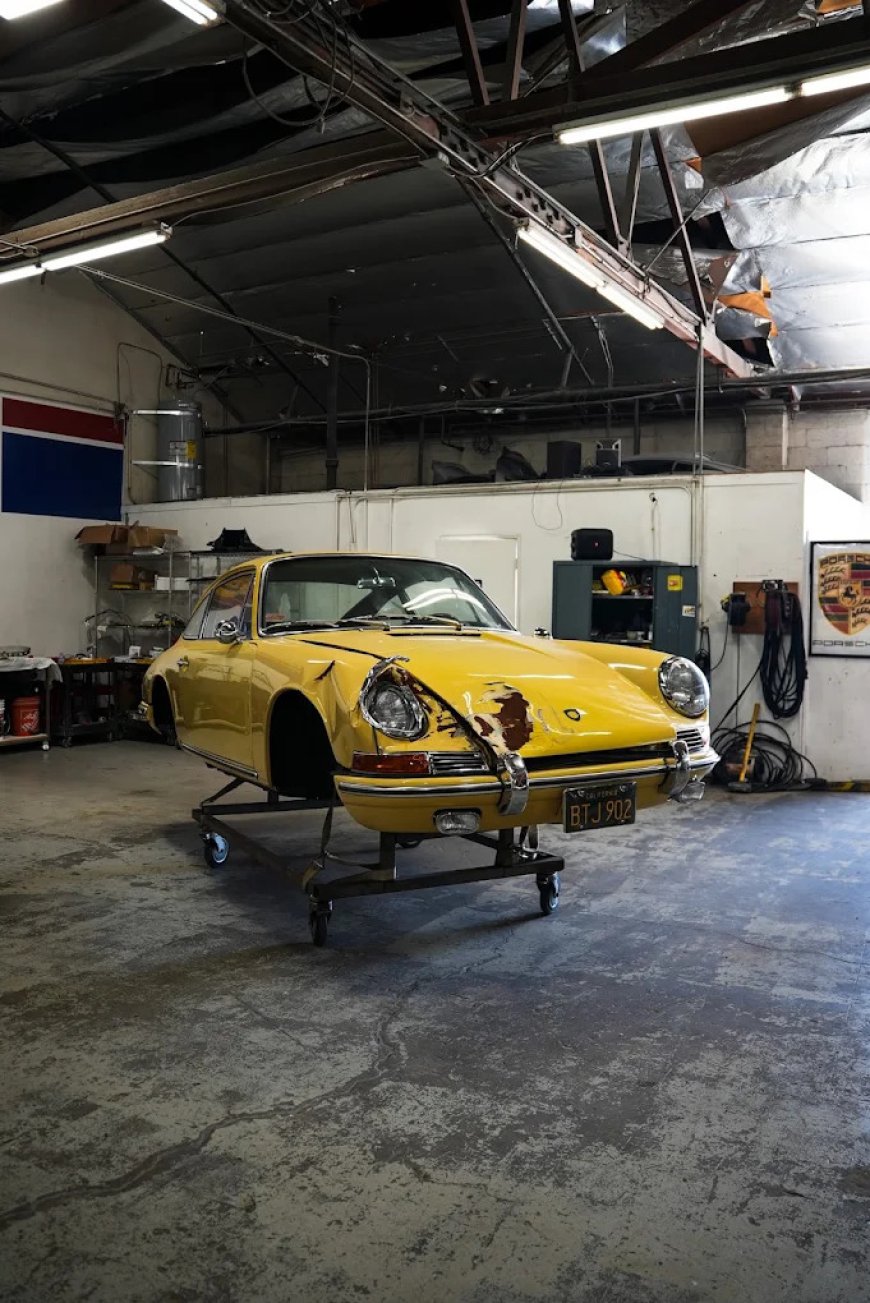
Understanding what is true—and what is simply a myth—can help you make more informed choices after an accident. Proper repairs are about much more than restoring appearance; they are about ensuring the vehicle performs safely and reliably long after it leaves the repair facility.
One thing I've noticed over the years is that many people judge a repair by how shiny the paint looks. While appearance certainly matters, the most important work is often hidden beneath the surface, where structural repairs, measurements, and safety system inspections take place.
Myth 1: If the Car Drives Normally, It Doesn't Need Structural Repairs
One of the most common misconceptions is that a vehicle must be structurally sound if it still drives after a collision.
In reality, even relatively minor impacts can affect:
- Frame alignment
- Suspension mounting points
- Steering geometry
- Wheel alignment
- Crash energy management
These changes aren't always noticeable during a short drive but can influence handling, tire wear, and future safety.
Professional inspections use precise measuring equipment rather than relying solely on how the vehicle feels on the road.
Myth 2: Paint Codes Guarantee a Perfect Match
Many vehicle owners assume that providing the factory paint code automatically results in an invisible repair.
The truth is more complicated.
Paint color changes over time because of:
- Sun exposure
- Weather
- Oxidation
- Previous polishing
- Manufacturing variations
Experienced painters use the paint code as a starting point, then fine-tune the color by comparing it to the existing finish.
Blending adjacent panels often helps create a seamless appearance.
Myth 3: Small Dents Don't Need Immediate Attention
A small dent may seem harmless, especially if the paint appears intact.
However, impacts can affect more than the visible surface.
Depending on the location, even minor damage may involve:
- Hidden structural components
- Mounting brackets
- Sensors
- Protective coatings
Ignoring seemingly insignificant damage can sometimes allow corrosion or alignment issues to develop over time.
Prompt inspections help identify problems before they become more complicated.
Myth 4: Collision Repair Is Only Cosmetic
Fresh paint and straight body panels are the most visible results of a repair, but they represent only one part of the process.
Professional collision repair also involves:
- Structural measurements
- Mechanical inspections
- Suspension evaluation
- Electronic diagnostics
- Safety system verification
Restoring the vehicle's appearance is important, but restoring its engineering is equally essential.
Insider Tip
If you're discussing repairs with a collision shop, ask what inspections will be completed beyond the visible body damage. Their explanation often reveals the level of attention given to the vehicle's structural and electronic systems.
Myth 5: Airbags Are the Only Safety Components That Matter
Modern vehicles rely on an extensive network of safety technologies.
Following a collision, technicians may inspect:
- Crash sensors
- Seat belt pretensioners
- Occupancy sensors
- Stability control systems
- Driver assistance features
Even if airbags never deployed, these components may still require evaluation or recalibration.
Professional diagnostics help ensure every related system operates correctly after repairs.
Myth 6: Any Replacement Part Fits the Same
Not all replacement components perform identically.
Fitment can influence:
- Panel alignment
- Surface consistency
- Long-term durability
- Assembly accuracy
Experienced repair professionals evaluate replacement parts carefully to ensure they integrate properly with the rest of the vehicle.
Good fitment reduces unnecessary adjustments during assembly and refinishing.
Myth 7: Once the Warning Lights Are Gone, Everything Is Fixed
Dashboard warning lights provide useful information, but they don't tell the entire story.
Many modern vehicles require:
- Electronic diagnostics
- Sensor calibration
- Functional testing
- Software verification
Simply clearing stored fault codes does not confirm that every affected system has been properly repaired.
Complete post-repair testing is an important part of modern collision repair.
Insider Tip
After repairs are completed, ask whether the vehicle received both pre-repair and post-repair diagnostic scans. Comparing those reports helps verify that electronic systems were evaluated throughout the repair process rather than only at the end.
Myth 8: Paint Is the Most Important Part of the Repair
A flawless finish certainly improves the appearance of a repaired vehicle.
However, quality paint depends on everything beneath it.
Successful refinishing begins with:
- Proper metal repair
- Surface preparation
- Accurate panel alignment
- Correct primer application
- Controlled painting conditions
Paint enhances skilled craftsmanship—it doesn't compensate for poor preparation.
That's why experienced technicians spend considerable time preparing surfaces before entering the paint booth.
Learning from Experienced Collision Repair Professionals
Understanding the realities of collision repair becomes much easier when you learn from professionals who perform these procedures every day. Educational resources covering structural repairs, diagnostics, refinishing, and restoration techniques help vehicle owners appreciate the work involved beyond cosmetic improvements. For practical guidance based on real-world repair experience, you can explore the articles available at perfect lines restoration, where professionals share valuable insights into automotive restoration and collision repair.
Myth 9: Collision Repairs Should Always Be Completed Quickly
Everyone wants their vehicle returned as soon as possible.
However, quality repairs often require careful sequencing.
Processes such as:
- Structural corrections
- Paint curing
- Electronic calibration
- Final inspections
cannot always be rushed without compromising the finished result.
Experienced technicians understand that patience often produces more reliable repairs.
A slightly longer repair timeline is frequently worthwhile when it allows every stage to be completed correctly.
Why Experience Still Matters
Modern repair equipment has become increasingly sophisticated.
Even so, successful collision repair still depends on experienced technicians who understand:
- Vehicle construction
- Structural repair methods
- Refinishing techniques
- Diagnostic interpretation
- Quality control
Technology provides valuable information, but skilled judgment remains essential throughout the repair process.
Final Thoughts
Auto collision repair is surrounded by misconceptions that often underestimate the complexity of modern vehicles. From structural alignment and electronic diagnostics to color matching and safety system calibration, professional repairs involve far more than restoring a vehicle's appearance.
Also read for more information so click here.