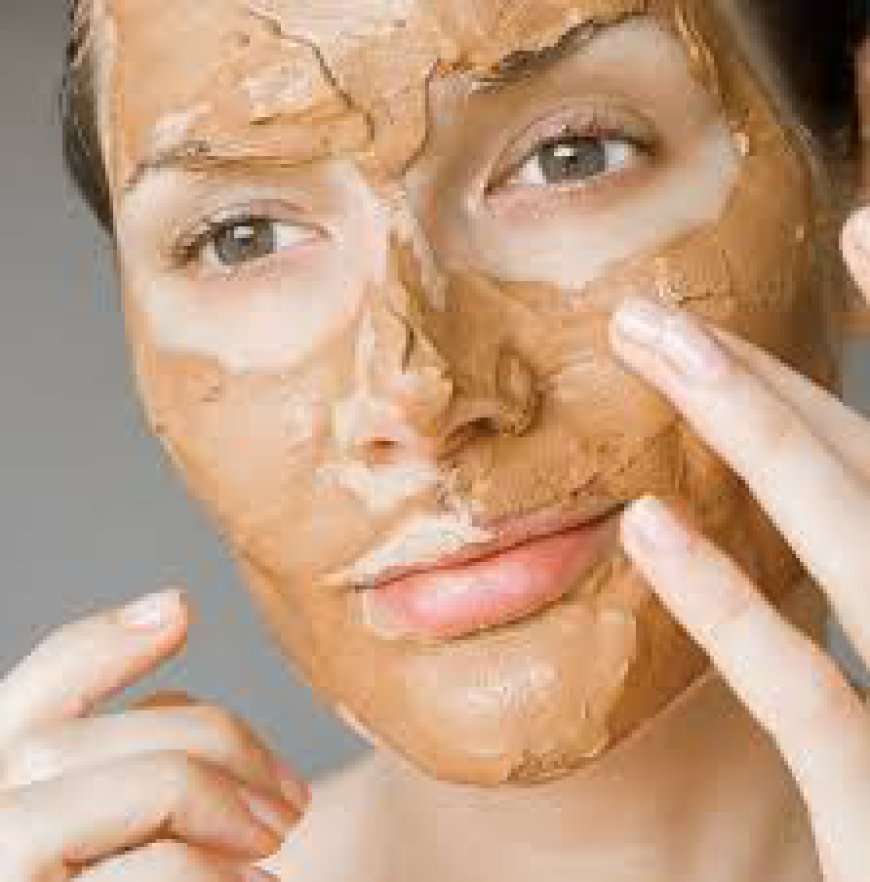
Dermamelan is widely recognized as a safe and effective depigmentation treatment, especially when performed correctly and followed with proper aftercare. It is designed to work on a wide range of skin tones and concerns, making it a versatile option in modern skincare. Today, Dermamelan Treatment in Dubai is commonly chosen by individuals with different skin types who want to treat pigmentation without compromising skin health.
Safety Across Different Skin Types
One of the biggest advantages of Dermamelan is its compatibility with all Fitzpatrick skin types (I–VI), which means it can be used on very fair to very dark skin tones.
Unlike some laser treatments that may carry risks for darker skin, Dermamelan is specifically formulated to minimize complications such as post-inflammatory hyperpigmentation. This makes it particularly suitable for individuals with medium to deeper skin tones who are often more prone to pigmentation issues.
Why It’s Considered Safe
Dermamelan’s safety comes from its controlled and gradual approach to skin renewal. Instead of aggressively removing layers of skin, it regulates melanin production while gently exfoliating pigmented cells.
Clinical studies and professional use show that:
- It has high safety and tolerance levels when applied correctly
- It is tested on multiple ethnic skin types with positive outcomes
- It works progressively, reducing the risk of sudden skin damage
This combination makes it a reliable option for long-term pigmentation management.
Common Side Effects to Expect
Although Dermamelan is generally safe, it is still an active treatment, so some temporary side effects are normal. These may include:
- Redness or mild irritation
- Peeling or flaking skin
- Sensitivity, especially in the first few days
These reactions are part of the skin’s renewal process and usually subside as the skin heals.
Who Should Be Cautious
While Dermamelan is suitable for most people, it may not be ideal in certain situations. Extra care or consultation is recommended if you:
- Have highly sensitive or reactive skin
- Are pregnant or breastfeeding
- Have active skin infections or open wounds
- Are allergic to any of the treatment ingredients
A proper skin assessment helps ensure the treatment is both safe and effective.
Importance of Professional Application
Safety also depends heavily on how the treatment is performed. Dermamelan is not a simple at-home peel—it requires professional application and guidance.
A trained practitioner will:
- Evaluate your skin type and condition
- Adjust the treatment strength if needed
- Provide a personalized aftercare routine
This reduces risks and improves overall results.
Aftercare Plays a Key Role
Even though the treatment itself is safe, improper aftercare can lead to complications. Following post-treatment instructions is essential to protect your skin.
Important aftercare steps include:
- Avoiding direct sun exposure
- Using sunscreen consistently
- Keeping the skin hydrated
- Avoiding harsh skincare products during recovery
These steps help maintain results and prevent irritation.
Is It Safe for Sensitive Areas?
Dermamelan can also be used on more delicate areas, such as underarms or intimate regions, when formulated specifically for those zones. Studies and clinical use indicate it is safe even in these sensitive areas when applied correctly.
Best Dermamelan Treatment Dubai
For optimal safety and results, many individuals look for the Best Dermamelan Treatment Dubai to ensure the procedure is tailored to their skin type and performed with proper expertise and care.
Conclusion
Dermamelan is considered a safe treatment for most skin types due to its scientifically developed formula and controlled mechanism of action. Its ability to work across different skin tones without causing major complications makes it a trusted choice for treating pigmentation. However, like any advanced skincare procedure, its safety depends on proper application, professional guidance, and consistent aftercare.

 Dynamic Clinic