Key Advantages of Neurological and Spine Instruments in Modern Healthcare
 amgmedical
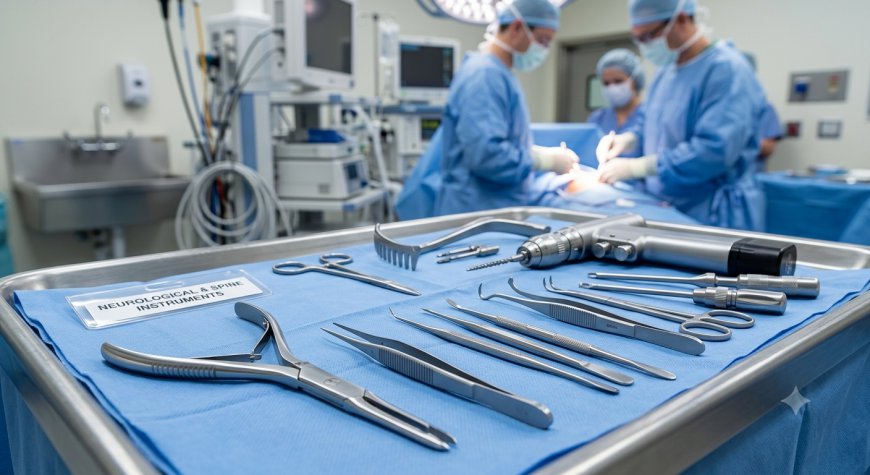
Neurological and spine instruments are essential tools used in surgeries involving the brain, spinal cord, and nervous system. These procedures require a high level of accuracy because even small errors can affect important body functions. Specialized instruments help surgeons perform delicate operations with greater control and confidence.
Over the years, medical technology has improved the design and performance of these tools. Today, healthcare facilities depend on advanced instruments that provide safety, reliability, and efficiency. The focus on ergonomic excellence and high-quality surgical equipment supplies has further improved surgical outcomes and patient care. Understanding the advantages of neurological and spine instruments helps explain why they are so important in modern medicine.
Improved Surgical Precision
One of the biggest advantages of neurological and spine instruments is their ability to support precise surgical movements. Brain and spine procedures often involve working in very small areas where accuracy is critical. Specialized instruments allow surgeons to perform delicate tasks without affecting nearby tissues.
Tools such as forceps, scissors, retractors, and dissectors are designed to provide excellent control. Their precise construction helps surgeons complete procedures with confidence and accuracy. This level of precision contributes to better treatment results and reduces the possibility of surgical complications.
Modern healthcare providers continue to invest in advanced surgical equipment supplies because precision remains one of the most important factors in successful surgery.
Better Patient Safety
Patient safety is a major priority in every medical procedure. Neurological and spine instruments help improve safety by allowing surgeons to work more carefully and effectively. High-quality instruments reduce the chances of accidental damage to sensitive structures such as nerves, blood vessels, and spinal tissues.
When surgeons have access to reliable tools, they can perform procedures more efficiently and with greater confidence. This helps reduce risks during surgery and supports better patient outcomes. The use of dependable surgical equipment supplies also ensures that instruments meet strict quality and safety standards.
As healthcare continues to advance, patient safety remains one of the strongest advantages provided by specialized neurological and spine instruments.
Enhanced Surgical Efficiency
Efficiency is another important advantage of neurological and spine instruments. Well-designed tools allow surgeons to complete procedures more smoothly and with fewer interruptions. Efficient instruments help reduce operating time while maintaining a high level of accuracy.
Shorter procedures can benefit patients by reducing the amount of time spent under anesthesia. They also help healthcare facilities improve workflow and manage operating room schedules more effectively. Reliable surgical equipment supplies contribute to this efficiency by ensuring that instruments perform consistently during every procedure.
Improved efficiency supports both healthcare providers and patients, making it a valuable benefit of modern instrument design.
Support for Complex Procedures
Neurological and spine surgeries are often among the most challenging procedures in medicine. Conditions affecting the brain and spinal cord require specialized treatment methods that depend on advanced instruments.
These tools help surgeons perform tasks such as tissue removal, nerve decompression, spinal stabilization, and implant placement. Without specialized instruments, many of these procedures would be much more difficult to perform safely and effectively.
The availability of advanced surgical equipment supplies allows healthcare providers to treat a wider range of neurological and spinal conditions. This expands treatment options and improves access to quality care for patients.
Advantages of Ergonomic Excellence
Ergonomic excellence has become an important part of modern surgical instrument design. Surgeons often spend several hours performing detailed procedures that require steady hands and continuous focus. Instruments that are uncomfortable to use can increase fatigue and reduce efficiency.
Ergonomic excellence focuses on creating tools that are comfortable, balanced, and easy to handle. Features such as improved grips and better weight distribution help surgeons maintain control throughout long procedures. These design improvements reduce hand strain and support consistent performance.
By promoting comfort and accuracy, ergonomic excellence helps improve surgical outcomes and contributes to a better working environment for medical professionals.
Reduced Tissue Damage
Another major advantage of neurological and spine instruments is their ability to minimize tissue damage. Specialized tools are designed to work in delicate surgical areas while protecting surrounding structures.
Precise cutting instruments, retractors, and dissectors allow surgeons to access treatment sites without causing unnecessary injury. This careful approach helps preserve healthy tissues and supports faster healing after surgery.
Reduced tissue damage can also lower the risk of complications and improve patient recovery. This benefit highlights the importance of investing in high-quality surgical equipment supplies that support modern surgical techniques.
Support for Minimally Invasive Surgery
Minimally invasive surgery has become increasingly popular because it offers several benefits for patients. These procedures use smaller incisions, which often result in less pain and faster recovery.
Neurological and spine instruments play a key role in supporting minimally invasive techniques. Specialized tools allow surgeons to reach treatment areas through small openings while maintaining excellent control and visibility.
The development of advanced surgical equipment supplies has made minimally invasive procedures more effective and widely available. Patients benefit from shorter hospital stays and quicker returns to daily activities.
Long-Term Durability and Reliability
Durability is an important advantage of modern neurological and spine instruments. High-quality instruments are made from strong materials that can withstand repeated use and sterilization. This helps healthcare facilities maintain reliable performance over time.
Durable instruments reduce replacement costs and provide long-term value. Hospitals and surgical centers often choose trusted surgical equipment supplies because reliable tools help ensure consistent patient care.
Strong construction and dependable performance make these instruments a valuable investment for healthcare providers. Their long lifespan contributes to both operational efficiency and cost savings.
Improved Confidence for Surgical Teams
The quality of surgical instruments directly affects the confidence of medical professionals. Surgeons rely on their tools to perform precise procedures, and dependable instruments help them focus on patient care rather than equipment concerns.
Ergonomic excellence further improves confidence by providing comfortable and easy-to-use tools. When surgeons feel comfortable using their instruments, they can maintain better concentration and achieve more consistent results.
This increased confidence benefits the entire surgical team and supports a safer, more efficient operating room environment.
Contribution to Better Patient Outcomes
One of the most important advantages of neurological and spine instruments is their contribution to better patient outcomes. Precise instruments support accurate procedures, reduce complications, and improve recovery experiences.
Patients benefit from safer surgeries, reduced tissue damage, and more effective treatment. Healthcare providers can offer higher standards of care when they have access to advanced surgical equipment supplies designed for modern medical needs.
As technology continues to improve, these instruments will play an even greater role in helping patients achieve successful treatment results and improved quality of life.
Future Benefits of Advanced Instrument Design
The future of neurological and spine instruments is expected to bring even greater advantages. Manufacturers continue to improve materials, designs, and production methods to create more effective tools. New developments will likely focus on enhancing precision, durability, and ergonomic excellence.
Future innovations may also improve compatibility with advanced imaging and navigation systems. These improvements will help surgeons perform complex procedures with even greater accuracy and confidence.
The continued advancement of surgical equipment supplies will support the growth of modern healthcare and provide better treatment opportunities for patients around the world.
Conclusion
Neurological and spine instruments offer many important advantages that support modern healthcare. They improve surgical precision, enhance patient safety, increase efficiency, and support complex medical procedures. Their role in reducing tissue damage and enabling minimally invasive surgery has transformed the way many treatments are performed. The growing focus on ergonomic excellence ensures that surgeons can work comfortably and effectively, while dependable surgical equipment supplies provide the reliability needed for consistent results. As medical technology continues to advance, neurological and spine instruments will remain essential tools for delivering high-quality patient care and successful surgical outcomes.
More info: AMG Medical