Sodium Bicarbonate Prices: Latest Market Trends, Supply Dynamics, and Forecast Outlook
 cheminfo
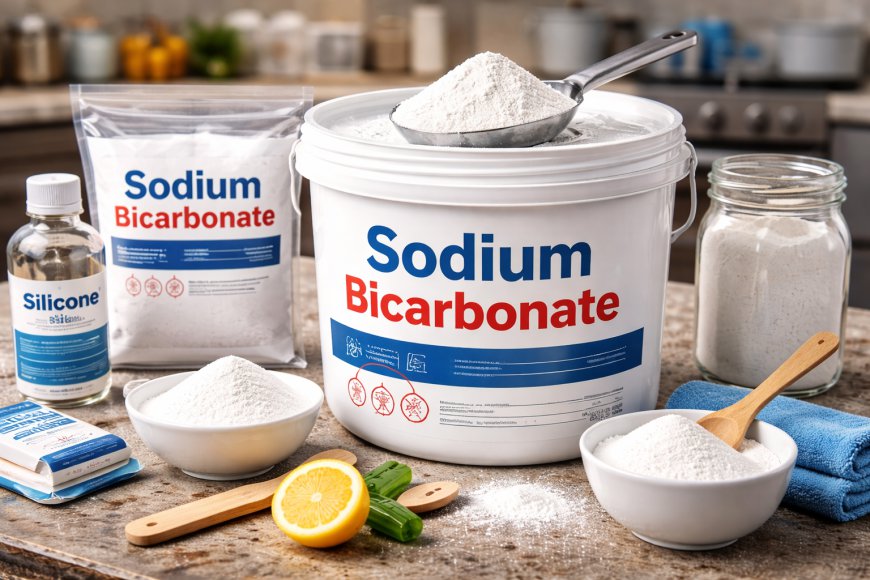
The global chemicals industry continues to experience evolving price movements driven by changing supply chains, feedstock costs, industrial demand, and macroeconomic conditions. Among widely used industrial and consumer chemicals, sodium bicarbonate has gained particular attention due to its diverse applications in food processing, pharmaceuticals, flue gas treatment, agriculture, and water purification. As industries expand and environmental regulations tighten, demand for this versatile compound remains robust.
In 2026, Sodium Bicarbonate Prices are influenced by multiple market factors including production capacity shifts, energy price fluctuations, global trade dynamics, and downstream consumption trends. Understanding these drivers is crucial for manufacturers, traders, and procurement managers who depend on accurate market intelligence.
Market Overview of Sodium Bicarbonate
Sodium bicarbonate, commonly known as baking soda, is produced primarily through the Solvay process using soda ash as a key raw material. Its broad applications across industries make it a commodity chemical with consistent demand across both developed and emerging economies.
The Sodium Bicarbonate Price Market has witnessed notable fluctuations over the past few years due to changing energy costs, logistics disruptions, and shifting industrial consumption patterns. Market participants closely track price movements to manage procurement risks and maintain operational efficiency.
According to industry pricing data, the latest market behavior in 2025 and early 2026 reflects moderate volatility due to fluctuating feedstock costs and uneven demand recovery across key sectors.
Latest Sodium Bicarbonate Price Trends (2025–2026)
Price Movements in 2025
During 2025, Sodium Bicarbonate Prices experienced mixed trends globally. Early in the year, prices showed stability due to balanced supply-demand conditions. However, later months saw price fluctuations driven by:
-
Rising energy costs affecting production expenses
-
Increased freight and transportation charges
-
Variations in soda ash raw material prices
-
Weak demand from some industrial sectors
Market data indicates that oversupply in certain regions contributed to downward price pressure toward late 2025.
Price Trends in Early 2026
Entering 2026, the market began to stabilize. Several factors contributed to this shift:
-
Improved industrial demand recovery
-
Stabilizing raw material costs
-
Increased consumption in environmental applications
-
Seasonal demand from the food and pharmaceutical sectors
The latest insights suggest moderate price growth potential as global economic activity strengthens.
Key Factors Influencing Sodium Bicarbonate Prices
1. Raw Material Costs
The primary raw material for sodium bicarbonate production is soda ash. Any changes in soda ash pricing directly influence production costs. Energy prices, particularly natural gas and electricity, also play a significant role in manufacturing expenses.
Fluctuations in feedstock supply and mining operations have caused periodic cost variations impacting Sodium Bicarbonate Prices globally.
2. Energy and Production Costs
Sodium bicarbonate manufacturing is energy-intensive. Rising fuel costs in recent years have significantly affected production margins. Regions with high energy prices often experience higher product pricing due to increased operating costs.
In 2026, stabilizing energy markets are expected to help maintain price stability.
3. Demand from Key End-Use Industries
Demand from major sectors plays a central role in shaping Sodium Bicarbonate Price Trends.
Food Industry
The food and beverage sector remains the largest consumer due to its use as a leavening agent and pH regulator. Rising global consumption of processed foods supports steady demand growth.
Pharmaceuticals
Sodium bicarbonate is widely used in medicinal formulations and healthcare treatments. Expanding pharmaceutical production contributes to stable demand.
Environmental Applications
Growing environmental regulations have increased demand for sodium bicarbonate in flue gas treatment and pollution control systems.
4. Supply Chain and Logistics
Global shipping disruptions, port congestion, and rising freight costs have significantly influenced chemical pricing over the past few years.
Although logistics conditions improved in 2025, transportation expenses continue to affect regional price differences.
5. Macroeconomic Conditions
Global economic trends such as inflation, currency fluctuations, and trade policies also impact sodium bicarbonate pricing.
Economic slowdowns often reduce industrial consumption, leading to price declines, while economic recovery supports demand and price increases.
Track Real Time Prices of Sodium Bicarbonate
https://www.chemanalyst.com/ChemAnalyst/PricingForm?Product=Sodium%20Bicarbonate
Regional Price Analysis
North America
In North America, Sodium Bicarbonate Prices remained relatively stable due to steady supply and consistent demand from food and environmental sectors.
Strong domestic production capacity and efficient logistics networks helped prevent major price spikes.
Europe
The European market experienced moderate price fluctuations driven by rising energy costs and stricter environmental regulations.
Manufacturers in this region faced higher operating expenses compared to other markets.
Asia-Pacific
Asia-Pacific remains the largest consumer and producer of sodium bicarbonate. China, India, and Southeast Asia are key contributors to market demand.
Prices in this region are highly sensitive to:
-
Industrial activity levels
-
Export demand
-
Raw material supply
In 2026, increasing infrastructure development and industrial growth are expected to support steady price increases.
Middle East and Africa
Emerging industrialization and growing water treatment needs are driving demand in this region.
Supply limitations and import dependency often lead to price volatility.
Supply Dynamics in the Sodium Bicarbonate Market
Global production capacity remains sufficient to meet demand, but supply dynamics vary regionally.
Key supply factors include:
-
Expansion of soda ash production plants
-
Investments in chemical manufacturing infrastructure
-
Strategic partnerships and long-term supply contracts
-
Availability of raw materials
Despite occasional supply disruptions, the overall market remains well balanced.
Demand Outlook for 2026 and Beyond
The long-term demand outlook for sodium bicarbonate remains positive due to expanding applications.
Growth Drivers
-
Rising environmental regulations worldwide
-
Increased demand in healthcare and pharmaceuticals
-
Growth in processed food consumption
-
Expansion of water treatment infrastructure
-
Industrialization in developing economies
Market analysts expect demand growth to remain steady through the next decade.
Challenges in the Sodium Bicarbonate Market
Although the market outlook is positive, several challenges persist:
Environmental Regulations
Stricter environmental compliance requirements may increase production costs for manufacturers.
Raw Material Price Volatility
Fluctuations in soda ash pricing can cause unpredictable changes in Sodium Bicarbonate Prices.
Supply Chain Disruptions
Geopolitical tensions and logistical bottlenecks continue to pose risks.
Technological Developments and Industry Innovations
Advancements in production technology are helping manufacturers reduce costs and improve efficiency.
Key innovations include:
-
Energy-efficient manufacturing processes
-
Sustainable production methods
-
Automation in chemical processing
-
Improved supply chain management systems
These developments are expected to enhance market stability in the long term.
Forecast Outlook: Sodium Bicarbonate Prices (2026–2030)
Market projections suggest a stable upward trend in Sodium Bicarbonate Prices over the coming years.
Short-Term Forecast (2026–2027)
-
Moderate price increases expected
-
Stable supply conditions
-
Gradual demand recovery
Medium-Term Forecast (2028–2030)
-
Strong growth in environmental applications
-
Rising industrial consumption
-
Increased investment in chemical manufacturing
Overall, the market is projected to experience steady growth rather than sharp price volatility.
Strategic Insights for Market Participants
To manage risks and capitalize on opportunities, industry players should consider:
-
Monitoring feedstock price movements
-
Diversifying supply sources
-
Investing in sustainable production technologies
-
Strengthening logistics and distribution networks
Effective market intelligence will remain crucial for procurement planning.
Conclusion
The global sodium bicarbonate market is characterized by stable demand, diverse industrial applications, and moderate price fluctuations influenced by feedstock costs, energy prices, and macroeconomic conditions.
In 2026, Sodium Bicarbonate Prices are expected to remain relatively stable with gradual upward movement driven by increasing environmental applications, industrial growth, and improving economic conditions.
The long-term outlook remains positive, supported by expanding demand across food processing, pharmaceuticals, water treatment, and pollution control sectors. Market participants who stay informed about Sodium Bicarbonate Price Trends and supply dynamics will be better positioned to navigate future market changes.