The Hidden Risks of Buying Hair Color from Unverified Manufacturers
Unverified hair color manufacturers can put your customers at serious risk. Learn why sourcing from certified natural hair color manufacturers in India is not optional — it's essential.
 KirpalExport
The demand for natural hair color has grown sharply over the past decade. Consumers are stepping away from ammonia-based dyes and moving toward plant-based alternatives — henna, indigo, amla, and brahmi — that promise color without the chemical side effects. This shift has opened up a profitable window for brands and distributors who want to enter the space. But with that opportunity comes a significant risk that too many buyers underestimate: sourcing from the wrong hair color manufacturers.
The natural hair color market, while growing, is also poorly regulated at the supplier level. There is no universal certification that all manufacturers are required to hold before they can sell. This means that anyone with a grinding machine and access to raw materials can technically call themselves a natural hair color manufacturer. The gap between what a supplier claims and what they actually deliver can be enormous — and for brands that stake their reputation on 'natural' and 'safe,' that gap is a serious liability.
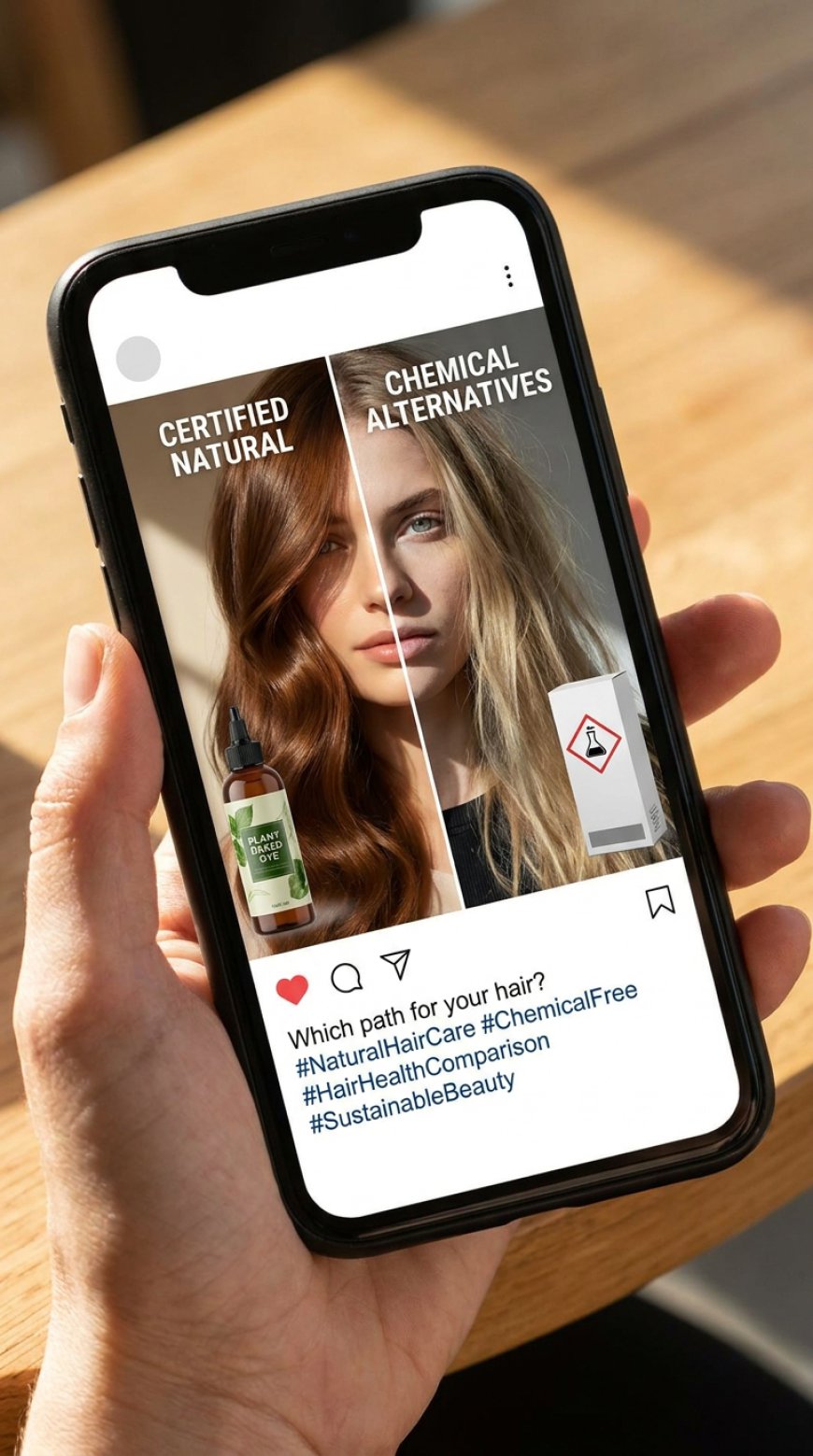
[Image Alt Text: Comparison of certified natural hair color versus chemical-laden alternatives]
What are the actual risks? First, contamination. Some natural hair color manufacturers add synthetic dyes like PPD (para-phenylenediamine) to boost color intensity. PPD is a potent allergen that is banned in hair color products in several countries. When a product marketed as 'herbal' or 'natural' contains PPD, it's not just deceptive — it can cause severe allergic reactions including scalp burns, facial swelling, and in rare cases, anaphylaxis. Regulatory action in the EU and Gulf countries has flagged numerous such products in recent years.
Second, there's the issue of heavy metal contamination. Some low-grade manufacturers use metallic salts — lead acetate, silver nitrate, bismuth compounds — to fix color or improve shelf life. These compounds can be absorbed through the scalp, and long-term exposure has been linked to neurological issues. A single contaminated batch reaching end consumers can trigger a product recall, legal liability, and sustained brand damage that takes years to repair.
Third, the problem of inconsistency. Natural colorants are inherently variable — their potency depends on source, harvest season, and processing method. A manufacturer without strong quality controls will produce batches that behave differently, leaving salons and end users frustrated with unpredictable results. For a brand trying to build consumer loyalty around a natural hair color product, inconsistency is a slow killer.
[Image Alt Text: Herbal hair color manufacturing process with quality checks in Rajasthan]
So what should a brand or distributor look for when evaluating hair color manufacturers? At minimum, a credible supplier should be able to provide certificates of analysis for each batch, MSDS (Material Safety Data Sheets) for all ingredients, and third-party lab test results confirming the absence of PPD and heavy metals. They should also be ISO certified or hold equivalent quality management credentials, and they should be willing to allow factory audits.
Kirpal Export Overseas operates at precisely this standard. As a manufacturer with years of experience in plant-based colorants, their processes are built around traceability and transparency. Every batch of natural hair color manufacturers output goes through multi-stage testing before it's packed for dispatch. Clients — whether they're private label brands, retail chains, or export distributors — receive full documentation with every shipment.
The market for natural hair color is not going away. But it is going to get more regulated, more competitive, and more demanding in terms of safety documentation. The buyers who invest in verified, certified supply chains now will be in a much stronger position when those standards tighten. Those who keep chasing the lowest price from unverified sources will find themselves vulnerable — to recalls, to legal action, and to consumer backlash that can undo years of brand-building overnight.