What Should Beginners Know Before Taking Butterfly Stroke Lessons?
A Butterfly Stroke lesson may appear quite elegant and impressive when viewed from the side of the pool, but diving right into the water unprepared means inviting pain and disappointment.
 ASM_PICK
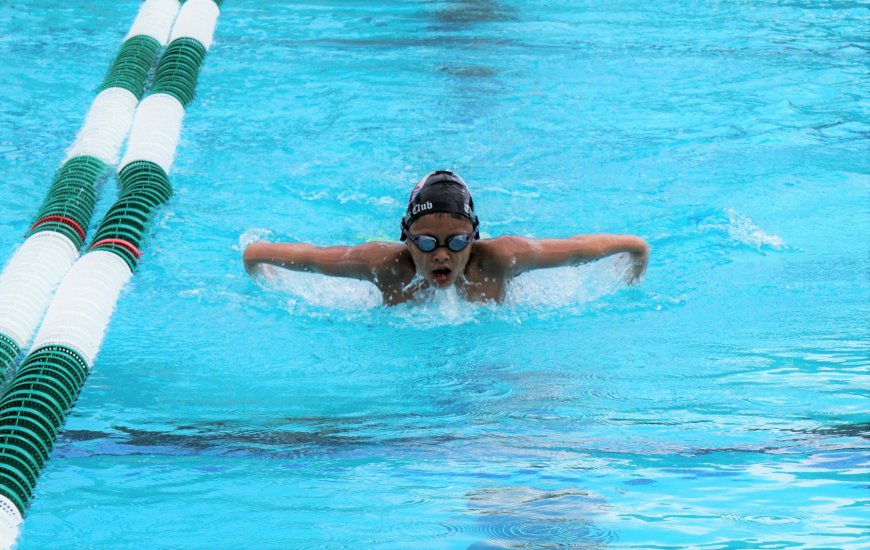
A Butterfly Stroke lesson may appear quite elegant and impressive when viewed from the side of the pool, but diving right into the water unprepared means inviting pain and disappointment. If you’re considering joining one, then this is what I have to say as an observer of many beginners’ classes.
The Reality Check Most Beginners Skip
Butterfly isn't like freestyle where you can fake it till you make it. This stroke demands serious coordination between your arms, core, and legs all moving in a wave-like rhythm. I remember my first real attempt – felt like I was fighting the water instead of working with it. Most beginners usually underestimate the upper body strength and coordination needed for the butterfly stroke. Do not expect to perfect this stroke within one lesson.
This is one of the most difficult strokes, but it is precisely because of this that it becomes really rewarding when it starts coming to you naturally.
Building the Right Foundation Before Lessons
You shouldn't jump straight into butterfly without decent freestyle and backstroke basics. Good body position and breathing control from those easier strokes make a huge difference. If you're still gasping every lap or sinking like a rock, butterfly lessons will be rough.
Focus on strengthening your core and shoulders beforehand. Simple dry land exercises like planks or band pulls can save you a lot of pain later. Many coaches recommend at least a few months of general swimming before tackling this beast.

What the Technique Actually Involves
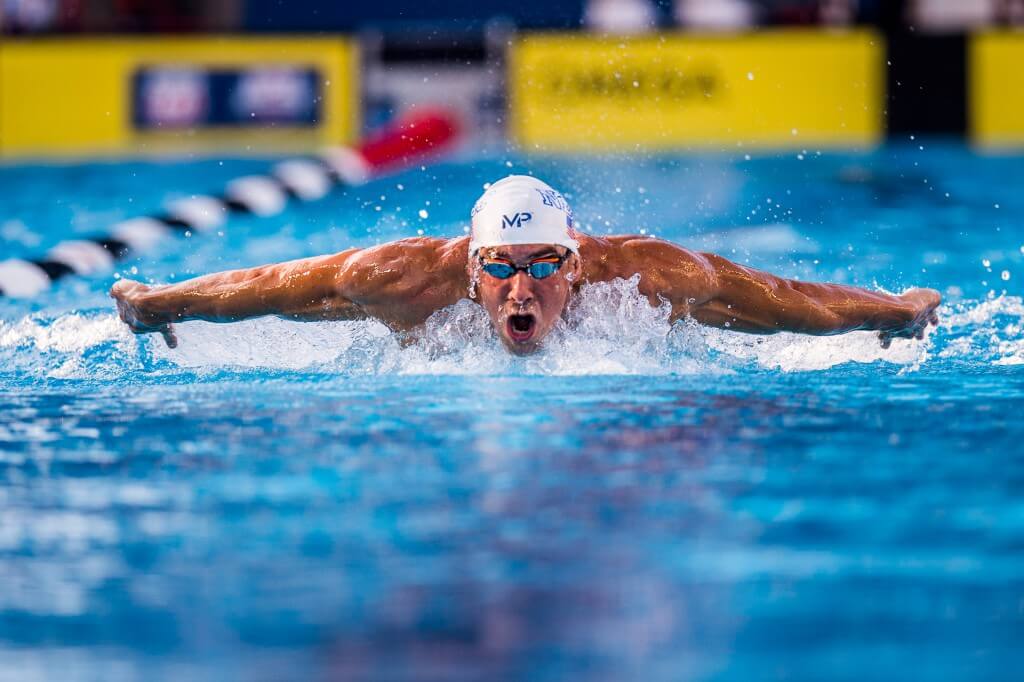
The arm movement is like pulling a big circle underwater while your legs do the dolphin kick – two kicks per arm cycle usually. Your hips drive the wave, not just your arms flailing around. Sounds simple on paper, but timing the breath with the arm recovery is where most newbies mess up.
Keep your head low when you breathe or you'll create too much drag. Small mistakes in form turn into big energy drains fast.
Common Beginner Mistakes That Kill Progress
Lifting your head too high is enemy number one. It destroys your body line and makes everything harder. Another big one is kicking from the knees instead of the hips – that creates a splash with zero propulsion.
I've seen people try powering through with arm strength alone and burn out in minutes. Butterfly rewards smooth rhythm over brute force. Relax into the wave motion or you'll fight the water the whole time.
Physical Demands You Need to Respect
This stroke works your shoulders, back, and core harder than almost anything else in the pool. If you have existing shoulder issues, talk to a doctor first. The repetitive undulating motion can aggravate old injuries quickly.
Expect serious fatigue early on. Your muscles will scream in ways freestyle never made them. That's normal. Build up slowly and listen to your body instead of pushing through bad pain.
Gear and Pool Setup Tips
A good pair of fins helps beginners feel the dolphin kick better. Short fins usually work best for learning the timing. A center snorkel takes breathing stress out so you can focus on body position.
Make sure the pool has enough depth for the underwater pullouts and kicks. Nothing worse than scraping your hands on the bottom during butterfly drills. A patient coach who demonstrates slowly makes all the difference too.
Mental Side of Learning Butterfly
Butterfly rewards patience big time. Progress comes in weird bursts – one day something clicks, then you regress the next. Do not lose heart because it is embarrassing. Everyone looks like an idiot at first.
It is all about the mindset where you have to believe in your technique rather than forcing yourself to do it. That is when real improvement will come about. Be consistent with your short practices.
How Long Will It Take Before You Notice Any Improvement?
A beginner should expect to spend several weeks of consistent training before anything becomes slightly natural. There are those who learn the timing faster than others, but there are those who take a lot of time.
Do not compare yourself to that one person in class who used to swim competitively.Focus on your own small wins like better timing on the kick or smoother breathing. Those add up faster than you think.
Training Drills That Actually Help
A single arm butterfly with the opposite arm extended helps groove the pull pattern. A dolphin kick on your back builds the leg motion without arm pressure. Practice the body wave on land first if possible.
Mix in plenty of kick sets and streamline glides. Good underwater dolphin kicks make surface butterfly much easier. Your coach should break it down into manageable pieces instead of throwing the full stroke at you right away.
Finding the Right Instruction
Not every swim instructor teaches butterfly well. Look for coaches who break it down step by step and have experience with adult beginners. Group classes can work but private lessons speed things up if your budget allows.
Watch a few sessions before committing. You want someone who corrects form patiently without overwhelming you with too many cues at once. The right teacher makes this challenging stroke way more approachable.
Conclusion
The process of preparation to learn the butterfly stroke is highly significant and absolutely priceless. Here, it is possible for you to learn how to exercise yourself in such a way that you will not develop any undesirable practices, will remain injury-free and, most importantly, enjoy exercising. In case you plan to either improve your fitness level or do something different from usual in the swimming pool, there is no better choice than the butterfly stroke.