Why Every Organization Needs the Best EHS Software in 2026
 andrebradford43
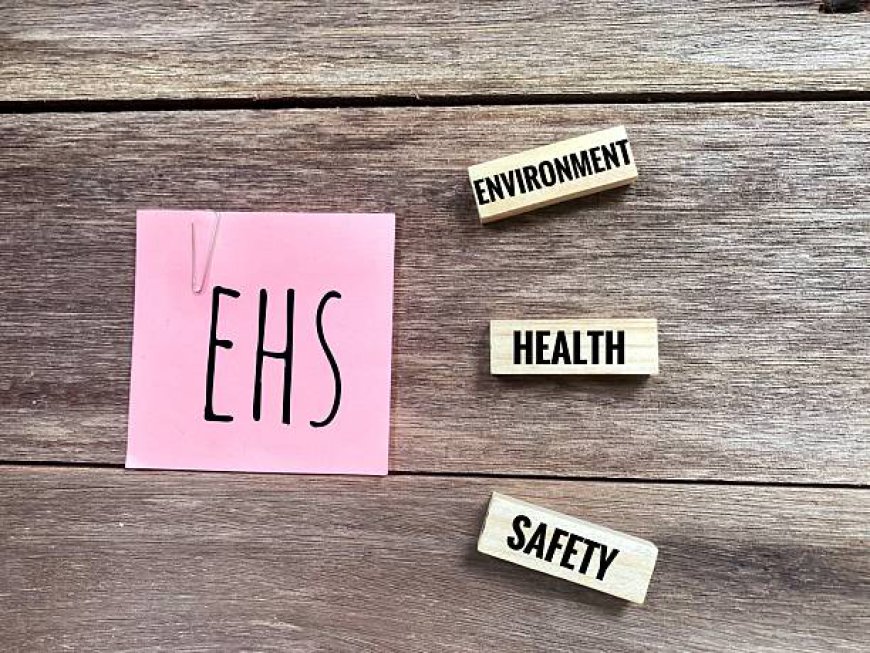
The evolution of workplace safety has reached a turning point where data is the most valuable asset a safety officer can possess. Managing environmental, health, and safety (EHS) incidents requires more than just a keen eye; it requires a system that can process vast amounts of information. Organizations are now looking for ways to unify their compliance efforts.
A central framework for managing safety helps eliminate the silos that often exist between different departments. When quality and safety data are shared, the organization can see how one affects the other. This transparency leads to better decision-making and a more resilient business model that can withstand internal and external pressures.
Centralizing Data with the Best EHS Software
Scattered data is the enemy of effective safety management. When incident reports are filed in different formats across multiple locations, it is nearly impossible to get an accurate picture of the company's risk profile. Centralization is the only way to ensure that every incident is accounted for and analyzed.
By utilizing the Best EHS Software, companies can store all their safety documentation in a single, secure cloud environment. This allows for real-time visibility into open investigations and pending corrective actions. Having a "single source of truth" simplifies the audit process and ensures that no critical safety issue is overlooked.
Automating Regulatory Forms
Filling out OSHA logs and other regulatory paperwork is a time-consuming task that is prone to errors. Automation features within a modern system can pull data directly from incident reports to populate these forms. This not only saves time but also ensures that the information submitted to regulators is consistent and accurate.
Improving Near-Miss Reporting
Near-misses are often referred to as "free lessons" because they provide insight into potential hazards without the cost of an actual injury. Encouraging employees to report these events is vital. A digital system that makes reporting quick and anonymous can significantly increase the volume of near-miss data collected.
Strategies for Choosing the Best EHS Software
With so many options on the market, selecting the right platform requires a clear understanding of your organization's specific needs. A good system should be flexible enough to match your existing workflows while providing the structure needed for compliance. It should also be intuitive enough for every employee to use.
The best platforms offer configurable modules that can be tailored to different industry requirements. Whether you are managing a construction site or a chemical laboratory, your software should adapt to the unique risks of your environment. Integration with existing HR and ERP systems is also a key factor to consider during the selection process.
Real-Time Monitoring and Dashboards
Dashboards are essential for high-level oversight. They allow executives to see safety performance at a glance, highlighting areas that require immediate attention. Visualizing data through charts and graphs makes it much easier to communicate safety trends to stakeholders who may not be involved in the daily safety operations.
Strengthening Corporate Culture
Technology can be a powerful tool for building a positive safety culture. When employees see that their reports lead to actual changes in the workplace, their trust in the system grows. This loop of reporting and resolution is what transforms a safety program from a list of rules into a shared value.
Driving ROI through the Best EHS Software
While the primary goal of safety software is to protect people, the financial benefits are also significant. Reducing the frequency of workplace injuries leads to lower insurance premiums and decreased workers' compensation costs. Furthermore, avoiding regulatory fines and legal fees can save a company millions of dollars.
The efficiency gained through automated workflows also reduces the administrative burden on your staff. Instead of spending hours on data entry, your safety team can focus on high-value activities like training and hazard identification. This shift in focus leads to a more proactive and effective safety department.
Documentation and Evidence Management
In the event of a legal dispute or a major audit, having a complete trail of evidence is crucial. Digital systems allow you to attach photos, witness statements, and video footage directly to an incident record. This level of detail provides a clear account of what happened and what was done to fix it.
Future-Proofing Your Compliance
Regulations are constantly changing, and staying ahead of the curve is a full-time job. Leading software providers update their platforms to reflect the latest legal requirements, ensuring that your organization remains compliant. This peace of mind allows you to focus on your core business goals.
Conclusion
A modern organization cannot afford to be reactive when it comes to the safety of its workforce and the protection of the environment. By adopting a centralized digital platform, you gain the tools necessary to record, analyze, and prevent incidents effectively. Prioritizing safety through technology is the most effective way to ensure long-term sustainability and operational excellence.