What is Radio Frequency Treatment for Acne Scars and How Does It Work?
For individuals looking to minimize risks while still achieving effective results, many consider the Best Radio Frequency For Acne Scars Dubai as a reliable option.
 Dynamic Clinic
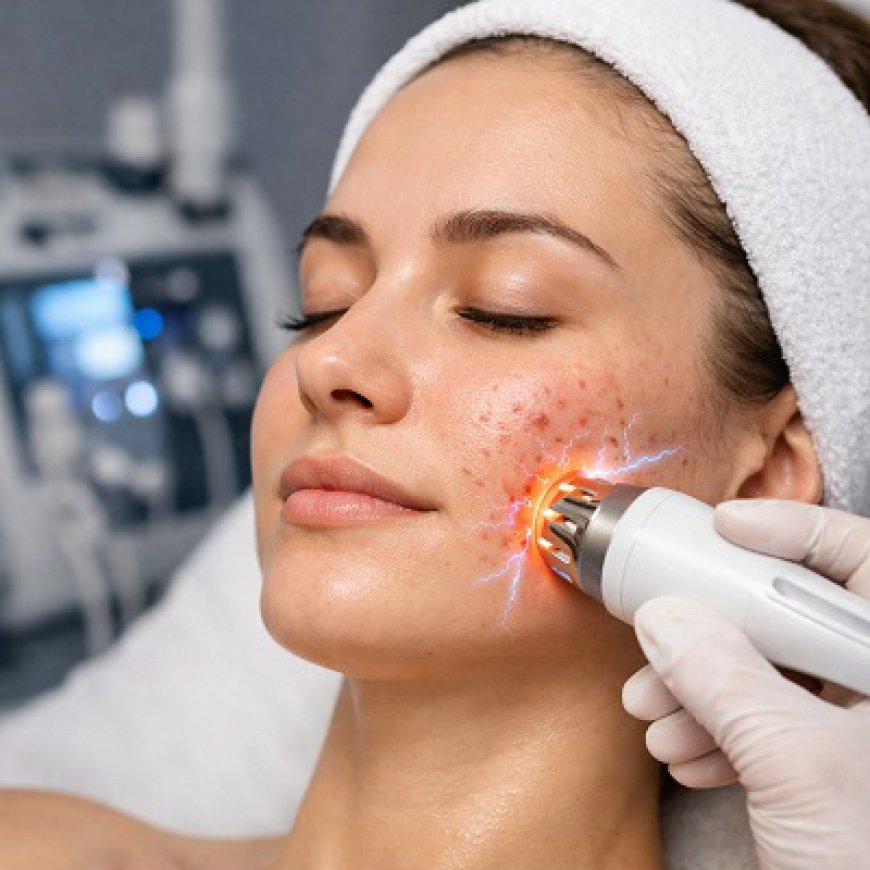
When it comes to treating acne scars, both radio frequency (RF) and laser treatments are widely used and effective options. However, they work in very different ways, which can influence the results, recovery time, and suitability for different skin types. While both aim to improve skin texture and reduce scarring, their technologies and approaches set them apart. Many individuals exploring Radio Frequency For Acne Scars in Dubai often compare it with laser-based procedures to determine which option better suits their skin concerns. Understanding how these treatments differ can help you make a more informed decision and choose the method that aligns with your expectations and comfort level.
How Radio Frequency Works
Radio frequency treatment uses controlled heat energy to penetrate the deeper layers of the skin. This heat stimulates collagen production without damaging the outer layer. Since collagen plays a key role in skin repair, this process gradually improves the appearance of acne scars, making the skin smoother and firmer over time.
One of the main advantages of RF is that it is generally safe for all skin tones. Because it does not rely on light energy, it reduces the risk of pigmentation issues, which can sometimes occur with laser treatments.
How Laser Treatments Work
Laser treatments, on the other hand, use focused light energy to target the skin. There are two main types:
- Ablative lasers: Remove the outer layer of the skin to promote new skin growth
- Non-ablative lasers: Penetrate deeper layers without removing the surface
Lasers can be very effective in resurfacing the skin and reducing scars, but they often involve more downtime compared to RF treatments. Additionally, some laser procedures may not be suitable for darker skin tones due to the risk of hyperpigmentation.
Key Differences Between RF and Laser
Although both treatments aim to improve acne scars, several key differences set them apart:
- Technology Used: RF uses heat energy, while lasers use light energy
- Skin Surface Impact: RF preserves the top layer, while some lasers remove it
- Downtime: RF usually has minimal downtime; lasers may require longer recovery
- Skin Type Compatibility: RF is safer for all skin tones; lasers require more caution
- Treatment Depth: RF can reach deeper layers more consistently
These differences make RF a preferred choice for individuals seeking gradual improvement with fewer risks.
Which Treatment is More Comfortable?
Comfort levels can vary depending on individual sensitivity and the type of procedure. RF treatments are generally described as warm and tolerable, especially with numbing cream applied beforehand. Laser treatments, particularly ablative ones, may cause more discomfort and require a longer healing period.
This makes RF appealing for those who prefer a less intensive experience with quicker recovery.
Results and Effectiveness
Both RF and laser treatments can deliver noticeable improvements in acne scars, but the results may differ in terms of speed and intensity. Laser treatments often provide faster, more dramatic results, especially for severe scarring. However, they may come with higher risks and downtime.
RF treatments, on the other hand, offer gradual and natural-looking improvements. Multiple sessions are usually required, but the results build over time, leading to smoother and more refined skin texture.
Best Radio Frequency For Acne Scars Dubai
For individuals looking to minimize risks while still achieving effective results, many consider the Best Radio Frequency For Acne Scars Dubai as a reliable option. It provides a balance between safety and performance, making it suitable for a wide range of skin types and scar conditions. The key is to choose a treatment plan that is tailored to your specific needs.
Conclusion
Radio frequency and laser treatments are both valuable solutions for acne scar reduction, but they differ significantly in their approach, recovery, and suitability. RF stands out for its safety, minimal downtime, and compatibility with all skin tones, while laser treatments may offer faster results but with greater intensity and risk.
Choosing between the two depends on your skin type, scar severity, and personal preferences. For those seeking a gentler yet effective option, radio frequency treatment provides a modern and dependable path to smoother, healthier-looking skin.