A Complete Guide to Around-the-Clock Emergency Care in the United States
Medical emergencies rarely happen at convenient times. Heart attacks, severe injuries, breathing problems, and sudden illnesses can occur late at night, early in the morning, or during holidays when many healthcare facilities are closed.
 johnkay1998123
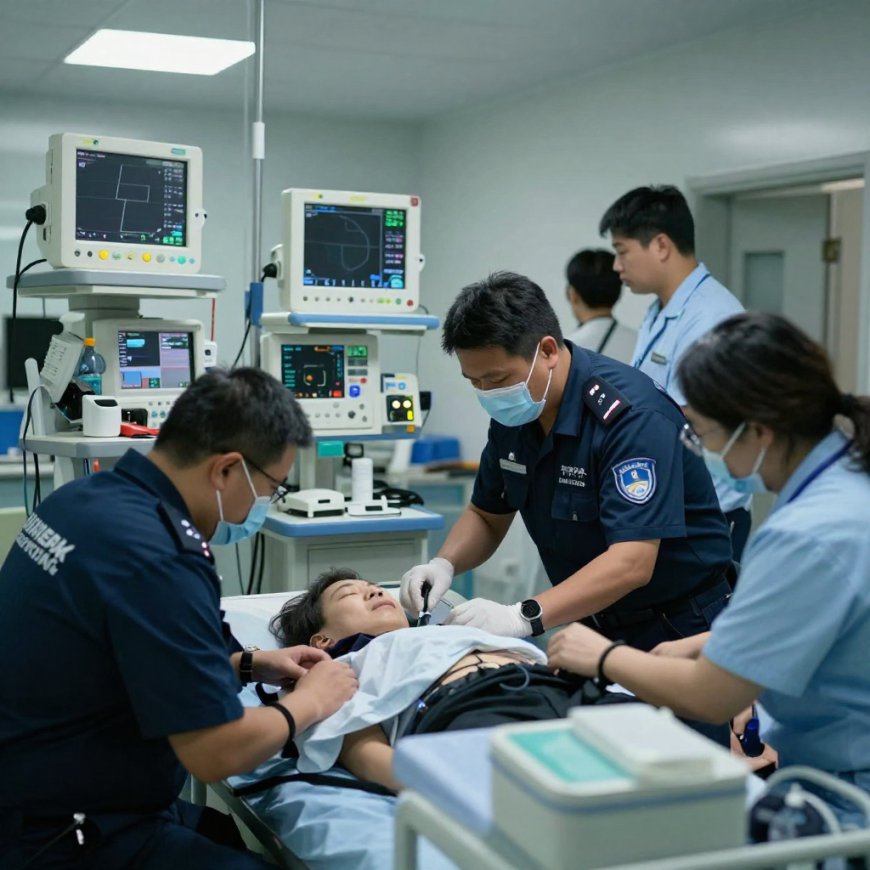
Medical emergencies rarely happen at convenient times. Heart attacks, severe injuries, breathing problems, and sudden illnesses can occur late at night, early in the morning, or during holidays when many healthcare facilities are closed. For millions of Americans, access to emergency medical services at any hour is critical to survival and recovery.
In the United States, emergency departments operate continuously to provide rapid diagnosis and treatment for life-threatening conditions. These facilities are designed to stabilize patients, perform advanced diagnostics, and deliver immediate medical care when every second matters.
This guide explains how 24-hour emergency departments function, what types of conditions they treat, when to visit them instead of urgent care, and how modern emergency facilities in the U.S. are improving patient outcomes through advanced technology and specialized care teams.
Understanding Emergency Rooms in the United States
Emergency rooms (ERs), also known as emergency departments (EDs), are specialized medical facilities that provide immediate treatment for severe injuries, illnesses, and critical conditions. Unlike primary care clinics or urgent care centers, ERs operate 24 hours a day, 7 days a week, and are equipped to handle life-threatening emergencies.
According to the Centers for Disease Control and Prevention (CDC), emergency departments in the United States receive more than 130 million visits annually. These visits range from trauma and cardiac emergencies to infections and serious accidents.
Emergency rooms are staffed by highly trained professionals, including:
-
Emergency medicine physicians
-
Trauma surgeons
-
Registered nurses and triage specialists
-
Radiologists and laboratory technicians
-
Respiratory therapists
-
Critical care specialists
These teams work together to provide rapid assessment and treatment for patients in urgent situations.
Why Immediate Emergency Care Matters
Time is often the most critical factor in emergency medicine. Many life-threatening conditions require treatment within minutes to prevent severe complications or death.
For example:
-
Heart attacks: Immediate treatment can reduce heart damage and improve survival.
-
Strokes: Treatment within the first 3–4.5 hours significantly increases the chance of recovery.
-
Severe trauma: Rapid intervention can prevent blood loss and organ failure.
-
Sepsis: Early antibiotic treatment reduces mortality rates dramatically.
The American Heart Association states that every minute without treatment during cardiac arrest reduces survival chances by 7–10%. Because of this, emergency departments are designed for rapid diagnosis and intervention.
Common Medical Emergencies Treated in ER Facilities
Emergency departments treat a wide range of conditions, from injuries to acute illnesses. Some of the most common reasons people seek emergency care include:
Cardiac Emergencies
Heart attacks, arrhythmias, and chest pain require immediate medical evaluation. Emergency rooms have cardiac monitoring systems, electrocardiograms (ECGs), and medications that stabilize heart function.
Stroke and Neurological Emergencies
Stroke symptoms such as sudden weakness, confusion, or speech problems require rapid imaging and treatment. ERs often use CT scans and MRI imaging to diagnose strokes quickly.
Severe Injuries and Trauma
Accidents involving vehicles, falls, burns, or workplace injuries are frequently treated in emergency departments. Trauma teams provide surgical intervention, wound care, and stabilization.
Breathing Difficulties
Asthma attacks, allergic reactions, pneumonia, and respiratory distress are common emergencies. Emergency rooms use oxygen therapy, ventilators, and specialized medications to stabilize breathing.
Severe Infections
Conditions such as meningitis, sepsis, and severe bacterial infections require immediate antibiotic treatment and monitoring.
Gastrointestinal Emergencies
Appendicitis, internal bleeding, severe abdominal pain, and pancreatitis often require rapid diagnosis through imaging and lab tests.
The Role of Triage in Emergency Departments
Emergency rooms use a system called triage to prioritize patients based on the severity of their condition.
When patients arrive at an emergency department, a triage nurse evaluates their symptoms, vital signs, and medical history. Patients with life-threatening conditions receive immediate treatment, while those with less urgent issues may wait longer.
Triage categories generally include:
-
Immediate (life-threatening)
-
Emergent (severe but stable)
-
Urgent (requires treatment soon)
-
Less urgent
-
Non-urgent
This system ensures that the most critical patients receive care as quickly as possible.
Advanced Technology Used in Modern Emergency Facilities
Modern emergency departments use advanced medical technologies that allow physicians to diagnose and treat patients rapidly.
Diagnostic Imaging
Emergency rooms rely on imaging technology to identify internal injuries and illnesses. Common tools include:
-
CT scans
-
MRI scans
-
X-rays
-
Ultrasound imaging
These technologies help physicians detect fractures, bleeding, tumors, and organ damage quickly.
Laboratory Testing
Rapid lab testing allows physicians to analyze blood samples, detect infections, and measure organ function within minutes.
Cardiac Monitoring Systems
Continuous cardiac monitoring helps doctors track heart rhythms and detect dangerous arrhythmias or cardiac arrest.
Telemedicine Integration
Some emergency departments use telemedicine to consult specialists remotely. This technology allows hospitals to connect with neurologists, cardiologists, and trauma experts in real time.
Differences Between Emergency Rooms and Urgent Care Clinics
Many people are unsure whether they should visit an emergency department or an urgent care clinic when they become ill or injured.
Urgent care clinics are designed for minor medical issues such as:
-
Mild infections
-
Minor cuts and burns
-
Flu symptoms
-
Sprains or minor fractures
Emergency departments, however, are equipped to treat serious and life-threatening conditions such as:
-
Chest pain or heart attack symptoms
-
Stroke symptoms
-
Severe bleeding
-
Difficulty breathing
-
Head injuries
-
Major fractures
-
Severe allergic reactions
Understanding the difference helps patients receive the appropriate level of care.
Emergency Care Accessibility in the United States
Emergency care is a critical component of the U.S. healthcare system. Federal law requires hospitals that receive Medicare funding to provide emergency care regardless of a patient’s ability to pay.
This regulation, known as the Emergency Medical Treatment and Labor Act (EMTALA), ensures that individuals experiencing medical emergencies receive evaluation and stabilization.
According to the American Hospital Association:
-
The U.S. has over 6,000 hospitals.
-
More than 4,500 hospitals operate emergency departments.
-
Emergency departments treat over 350 patients per minute nationwide.
These statistics highlight the scale and importance of emergency care across the country.
When to Seek Immediate Emergency Treatment
Knowing when to seek emergency medical care can save lives. Patients should visit an emergency department immediately if they experience:
-
Severe chest pain or pressure
-
Sudden numbness or weakness in the face or limbs
-
Difficulty breathing
-
Severe head injuries
-
Uncontrolled bleeding
-
Loss of consciousness
-
Severe burns
-
Poisoning or overdose
-
Sudden severe abdominal pain
When these symptoms occur, immediate evaluation by emergency medical professionals is essential.
How Emergency Departments Improve Patient Outcomes
Over the past two decades, advancements in emergency medicine have significantly improved patient survival rates.
Key improvements include:
Faster Diagnostic Tools
Rapid imaging and laboratory technologies allow physicians to identify critical conditions faster than ever before.
Specialized Emergency Physicians
Emergency medicine became a recognized medical specialty in the United States in 1979, and board-certified emergency physicians now lead many emergency departments.
Trauma Center Networks
The U.S. trauma system categorizes hospitals into levels based on their ability to treat severe injuries. Level I trauma centers provide the most advanced surgical and trauma care.
Stroke and Cardiac Centers
Many hospitals now operate certified stroke centers and chest pain centers that provide specialized care for neurological and cardiac emergencies.
What to Expect During an ER Visit
Visiting an emergency department can feel stressful, especially during a medical crisis. Understanding the typical process can help patients feel more prepared.
Patient Registration
Patients provide basic personal and medical information when they arrive at the emergency department.
Triage Evaluation
A nurse evaluates symptoms, measures vital signs, and determines the urgency of treatment.
Medical Assessment
Emergency physicians perform physical examinations, review medical history, and order diagnostic tests.
Diagnostic Testing
Patients may undergo imaging scans, blood tests, or cardiac monitoring to determine the cause of symptoms.
Treatment and Stabilization
Once physicians identify the problem, they begin treatment immediately. This may include medications, surgical procedures, or life-support interventions.
During a medical crisis, many patients or family members begin searching online for immediate help, often typing phrases like 24 hour ER near me while trying to locate the closest emergency facility.
The Importance of Highly Trained Emergency Teams
Emergency medicine requires rapid decision-making under pressure. Physicians and nurses must quickly evaluate symptoms, interpret diagnostic results, and deliver life-saving treatment.
Emergency departments often include:
-
Board-certified emergency physicians
-
Trauma surgeons
-
Critical care nurses
-
Emergency medical technicians
-
Radiology specialists
This multidisciplinary approach allows teams to treat complex medical emergencies efficiently.
Challenges Facing Emergency Departments in the United States
Despite their critical role, emergency departments face several challenges.
Increasing Patient Volume
Emergency departments continue to see growing numbers of patients each year. According to national healthcare data, ER visits increased significantly over the past decade due to population growth and limited access to primary care.
Overcrowding
Overcrowding can lead to longer wait times for non-critical patients. Hospitals are implementing new strategies such as fast-track systems and improved triage protocols to manage patient flow.
Staffing Shortages
Healthcare worker shortages have affected hospitals across the country. Many emergency departments are expanding recruitment and training programs to address staffing needs.
How Emergency Care Providers Improve Patient Experience
Modern emergency departments are focusing not only on life-saving treatment but also on improving patient comfort and experience.
Key improvements include:
-
Reduced wait times through advanced triage systems
-
Private treatment rooms
-
Faster diagnostic technologies
-
Improved communication between doctors and patients
-
Patient-centered care models
Healthcare organizations are also investing in facility design and technology to make emergency care more efficient and accessible.
Emergency Preparedness for Individuals and Families
Being prepared for medical emergencies can help families respond quickly and effectively.
Experts recommend the following steps:
-
Keep emergency contact numbers easily accessible.
-
Know the location of the nearest emergency department.
-
Maintain a list of medications and allergies.
-
Learn basic first aid and CPR techniques.
-
Keep health insurance information readily available.
Preparation can reduce delays when urgent medical care is required.
The Future of Emergency Medicine
Emergency medicine continues to evolve as healthcare technology advances. Innovations such as artificial intelligence, predictive analytics, and telemedicine are expected to transform emergency care.
For example:
-
AI-assisted diagnostics can help physicians identify life-threatening conditions faster.
-
Telehealth consultations allow remote specialists to assist in critical cases.
-
Smart monitoring systems can detect patient deterioration earlier.
These innovations aim to improve survival rates and enhance the overall efficiency of emergency departments.
Final Thoughts
Access to reliable emergency medical care at any time of day is one of the most important components of a modern healthcare system. Emergency departments in the United States play a vital role in treating serious injuries, life-threatening illnesses, and unexpected medical crises.
With highly trained medical teams, advanced diagnostic technology, and specialized treatment protocols, modern ER facilities are equipped to handle the most complex emergencies. Understanding how emergency departments operate and when to seek immediate care can help individuals make informed decisions during critical moments.
As healthcare continues to advance, emergency medicine will remain a cornerstone of patient safety, providing rapid treatment and life-saving care whenever it is needed most.