How Lifestyle Changes Help Control High cholesterolemia Dubai
Lifestyle changes like healthy diet, regular exercise, and weight control help manage High cholesterolemia Dubai, improving heart health naturally.
 Dr. Barbara
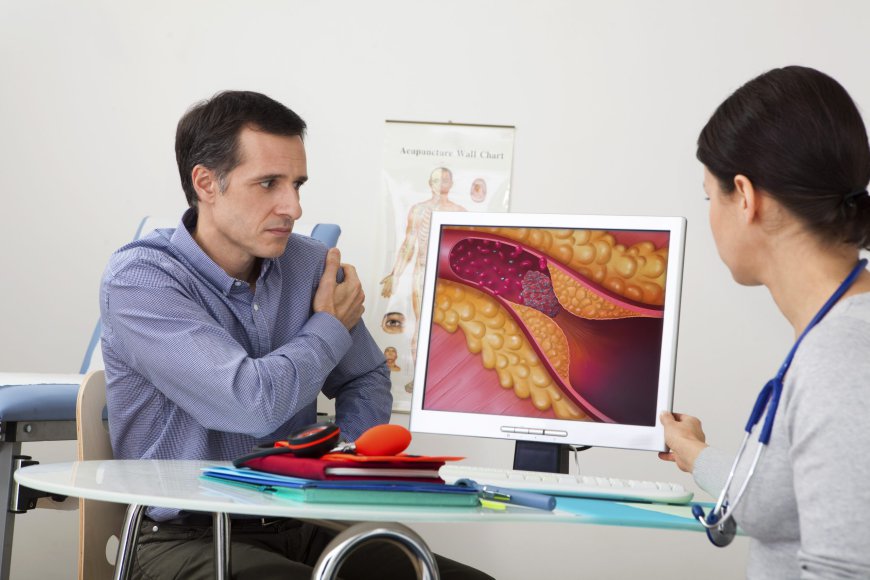
Living with high cholesterol can affect your overall health and increase the risk of heart disease, stroke, and other cardiovascular conditions. In recent years, more people have become aware of the importance of maintaining healthy cholesterol levels through lifestyle improvements instead of relying only on medication. Managing High cholesterolemia Dubai requires a combination of healthy eating, regular exercise, stress management, and consistent medical guidance. With the support of experienced healthcare professionals like Dr. Barbara, patients can make sustainable lifestyle changes that improve long-term heart health.
Dubai’s fast-paced lifestyle, rich dining culture, and sedentary work habits can contribute to elevated cholesterol levels. However, with proper awareness and practical daily habits, individuals can successfully control cholesterol and enjoy a healthier life.
Understanding High Cholesterolemia
High cholesterolemia refers to elevated cholesterol levels in the blood. Cholesterol is a fatty substance that the body needs for hormone production, digestion, and cell function. However, too much bad cholesterol, known as LDL (Low-Density Lipoprotein), can lead to plaque buildup in the arteries.
This buildup restricts blood flow and increases the risk of:
- Heart disease
- High blood pressure
- Stroke
- Chest pain
- Cardiovascular complications
Good cholesterol, called HDL (High-Density Lipoprotein), helps remove excess cholesterol from the bloodstream. The key to maintaining heart health is balancing these cholesterol levels through healthy habits and professional medical care.
Why Lifestyle Changes Matter
While medications may help lower cholesterol, lifestyle changes address the root causes of the problem. Many people diagnosed with High cholesterolemia Dubai can significantly improve their condition by making healthier choices in their daily routine.
Lifestyle modifications provide benefits such as:
- Better heart health
- Improved blood circulation
- Weight management
- Increased energy levels
- Reduced risk of diabetes and hypertension
- Better mental well-being
Healthcare experts like Dr. Barbara often recommend combining preventive care with personalized lifestyle strategies to achieve long-term success.
Healthy Eating Habits for Cholesterol Control
Diet plays one of the most important roles in cholesterol management. The foods people consume every day directly affect cholesterol levels and heart health.
Increase Fiber Intake
Foods rich in soluble fiber help reduce LDL cholesterol by preventing cholesterol absorption in the bloodstream.
Excellent sources include:
- Oats
- Apples
- Beans
- Lentils
- Vegetables
- Whole grains
Adding more fiber-rich meals to your diet can naturally support cholesterol reduction.
Choose Healthy Fats
Not all fats are harmful. Replacing unhealthy saturated fats with healthier options can improve cholesterol balance.
Healthy fats include:
- Olive oil
- Avocados
- Nuts
- Seeds
- Fatty fish like salmon and tuna
Avoid excessive consumption of fried foods, processed snacks, and fast food, which are common contributors to High cholesterolemia Dubai.
Reduce Sugar and Processed Foods
Highly processed foods often contain trans fats and excess sugar, both of which negatively affect heart health. Limiting sugary beverages, desserts, and packaged foods can support healthier cholesterol levels.
Eat More Plant-Based Foods
Plant-based diets are known to support cardiovascular health. Incorporating fruits, vegetables, legumes, and plant proteins can help lower LDL cholesterol naturally.
The Importance of Regular Exercise
Physical activity is essential for improving cholesterol levels and maintaining overall health. Exercise helps increase good cholesterol (HDL) while lowering bad cholesterol (LDL).
Best Exercises for Cholesterol Management
Some effective activities include:
- Walking
- Jogging
- Cycling
- Swimming
- Strength training
- Yoga
Experts recommend at least 150 minutes of moderate exercise weekly. Even small daily activities such as taking the stairs or walking after meals can make a noticeable difference.
For many patients dealing with High cholesterolemia Dubai, consistent physical activity becomes one of the most effective long-term solutions.
Weight Management and Cholesterol
Excess body weight is strongly linked to high cholesterol levels. Losing even a small amount of weight can improve cholesterol numbers and reduce strain on the heart.
Healthy weight management involves:
- Balanced nutrition
- Portion control
- Regular exercise
- Adequate sleep
- Reduced emotional eating
Working with healthcare professionals like Dr. Barbara allows patients to develop realistic weight-loss strategies tailored to their lifestyle and medical needs.
Stress and Cholesterol Levels
Many people underestimate the connection between stress and heart health. Chronic stress can lead to unhealthy habits such as overeating, smoking, or inactivity, all of which contribute to higher cholesterol levels.
Ways to Reduce Stress
Stress management techniques may include:
- Meditation
- Deep breathing exercises
- Yoga
- Spending time outdoors
- Social support
- Quality sleep
Mental wellness is an important part of managing High cholesterolemia Dubai and maintaining overall health.
The Role of Sleep in Heart Health
Poor sleep habits can negatively impact cholesterol levels and increase the risk of cardiovascular disease. Adults should aim for 7–9 hours of quality sleep each night.
Improving sleep quality can involve:
- Maintaining a regular bedtime
- Avoiding screens before sleep
- Limiting caffeine intake
- Creating a calm sleeping environment
Healthy sleep supports metabolism, hormone balance, and cardiovascular wellness.
Avoid Smoking and Limit Alcohol
Smoking damages blood vessels and lowers good cholesterol levels. Quitting smoking can quickly improve heart health and circulation.
Similarly, excessive alcohol consumption can increase cholesterol and triglyceride levels. Moderation is important for maintaining healthy cholesterol balance.
Individuals struggling with High cholesterolemia Dubai often notice major improvements after eliminating smoking and reducing alcohol intake.
Importance of Regular Health Checkups
Routine medical evaluations help detect cholesterol problems early and monitor progress over time. Blood tests provide valuable information about LDL, HDL, and triglyceride levels.
Regular consultations with healthcare professionals like Dr. Barbara ensure that treatment plans remain effective and personalized.
Medical checkups also help identify related conditions such as:
- Diabetes
- High blood pressure
- Obesity
- Thyroid disorders
Early intervention can prevent serious complications in the future.
Building Sustainable Habits
One of the biggest challenges in cholesterol management is maintaining healthy habits long-term. Quick diets and temporary fitness routines rarely provide lasting results.
Tips for Long-Term Success
- Set realistic goals
- Make gradual dietary changes
- Stay physically active daily
- Track progress regularly
- Seek professional support
- Stay consistent rather than perfect
Patients managing High cholesterolemia Dubai often achieve the best outcomes when lifestyle changes become part of their regular routine rather than short-term efforts.
Family Support and Motivation
Lifestyle improvements become easier when family members participate together. Preparing healthy meals, exercising as a group, and encouraging one another can create a supportive environment for success.
Children and younger family members also benefit from learning healthy habits early, reducing future risks of cholesterol-related diseases.
Personalized Care Makes a Difference
Every patient’s health condition is unique. Factors such as genetics, age, medical history, and lifestyle influence cholesterol management strategies.
This is why personalized guidance from experienced professionals like Dr. Barbara is valuable. Customized treatment plans help patients make practical lifestyle adjustments that fit their individual needs and goals.
Conclusion
Managing High cholesterolemia Dubai requires more than temporary solutions. Healthy lifestyle changes offer one of the most effective ways to improve cholesterol levels, protect heart health, and enhance overall well-being. By focusing on nutritious eating, regular exercise, stress reduction, quality sleep, and preventive healthcare, individuals can significantly reduce their cardiovascular risks.
With expert guidance from professionals like Dr. Barbara, patients can develop sustainable habits that lead to long-term success. Small daily improvements can create powerful health benefits over time, helping individuals live healthier and more active lives.
FAQs
What causes high cholesterolemia?
High cholesterolemia can result from unhealthy eating habits, lack of exercise, obesity, smoking, stress, genetics, and certain medical conditions.
Can lifestyle changes really lower cholesterol?
Yes, healthy lifestyle changes such as improving diet, exercising regularly, and maintaining a healthy weight can significantly reduce bad cholesterol levels.
How long does it take to improve cholesterol levels naturally?
Many people begin noticing improvements within a few months of consistent healthy habits, though results vary depending on individual health conditions.
Is exercise important for managing cholesterol?
Absolutely. Regular physical activity helps increase good cholesterol (HDL) and lower bad cholesterol (LDL), improving heart health overall.
What foods should be avoided with high cholesterol?
It is best to avoid fried foods, processed snacks, sugary beverages, fatty meats, and foods high in trans fats and saturated fats.
Can stress affect cholesterol levels?
Yes, chronic stress may contribute to unhealthy behaviors and negatively impact cholesterol and heart health.
Do all patients with high cholesterol need medication?
Not always. Some individuals can manage High cholesterolemia Dubai effectively through lifestyle modifications alone, while others may require medication depending on severity and medical history.
Why are regular cholesterol screenings important?
Routine screenings help detect high cholesterol early, monitor progress, and reduce the risk of serious cardiovascular complications.