Anechoic Chamber: The Ultimate Environment for Accurate Acoustic and Electromagnetic Testing
An anechoic chamber is a specially constructed room designed to absorb reflections from either sound waves or electromagnetic waves.
 anechoicchamber
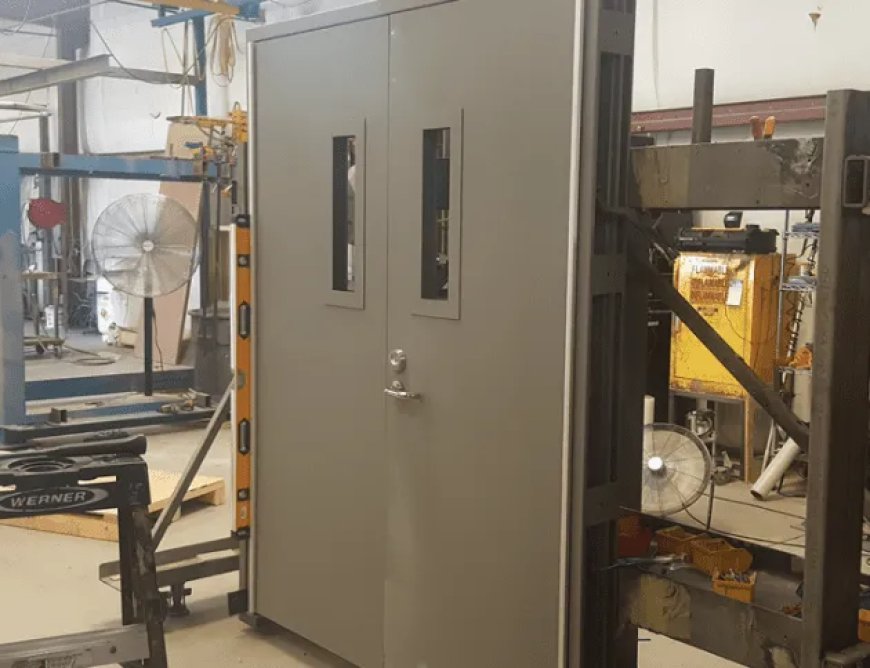
In industries where precision testing is critical, an anechoic chamber serves as one of the most advanced controlled environments available. Designed to eliminate reflections of sound waves or electromagnetic waves, an anechoic chamber provides a space where measurements can be performed with exceptional accuracy. These specialized chambers are widely used in acoustics, telecommunications, electronics, automotive engineering, aerospace, and research laboratories.
What Is an Anechoic Chamber?
An anechoic chamber is a specially constructed room designed to absorb reflections from either sound waves or electromagnetic waves. The term "anechoic" literally means "without echoes." Unlike ordinary rooms where sound bounces off walls, floors, and ceilings, an anechoic chamber is engineered to absorb nearly all incident energy, creating an environment that closely simulates free-field conditions.
Acoustic anechoic chambers use sound-absorbing wedges made from foam, fiberglass, or other absorbent materials. Electromagnetic anechoic chambers utilize radio-frequency (RF) absorbing materials to eliminate unwanted signal reflections during testing.
How Does an Anechoic Chamber Work?
The effectiveness of an anechoic chamber lies in its highly absorbent interior surfaces. Large wedge-shaped absorbers line the walls, ceiling, and often the floor. These structures trap and dissipate sound or electromagnetic energy before it can reflect back into the testing environment.
The chamber is also isolated from external noise and vibration through specialized construction techniques. This combination of absorption and isolation creates an extremely quiet and controlled environment, allowing engineers and researchers to obtain precise measurements.
Applications of Anechoic Chambers
Acoustic Testing
Acoustic anechoic chambers are commonly used to measure:
- Loudspeaker performance
- Microphone sensitivity
- Industrial equipment noise
- Automotive cabin acoustics
- HVAC system noise levels
- Consumer electronics sound quality
Electromagnetic Compatibility (EMC) Testing
EMC anechoic chambers help evaluate:
- Wireless communication devices
- Antenna performance
- Radar systems
- Electronic equipment emissions
- Electromagnetic interference (EMI)
- Compliance with international standards
Research and Development
Many research institutions use anechoic chambers to study sound behavior, vibration analysis, signal transmission, and advanced engineering technologies.
Benefits of Using an Anechoic Chamber
High Measurement Accuracy
By eliminating reflections and external interference, an anechoic chamber provides highly reliable test results.
Consistent Testing Conditions
Controlled environments ensure repeatable measurements, which are essential for product development and certification.
Improved Product Performance
Manufacturers can identify design issues early and optimize products for better acoustic or electromagnetic performance.
Regulatory Compliance
Many industries require products to meet strict testing standards. Anechoic chambers help organizations achieve compliance with national and international regulations.
Future of Anechoic Chamber Technology
As technology continues to evolve, the demand for advanced testing environments is increasing. The growth of wireless communications, electric vehicles, smart devices, and aerospace technologies is driving innovation in anechoic chamber design. Modern chambers are becoming more sophisticated, offering improved absorption performance, larger testing volumes, and enhanced automation capabilities.
Conclusion
An anechoic chamber is an indispensable tool for industries that rely on precise acoustic and electromagnetic measurements. By creating a reflection-free environment, these chambers enable accurate testing, support product innovation, and ensure compliance with industry standards. As engineering challenges become more complex, the importance of anechoic chambers in research, development, and quality assurance will continue to grow.