
Annapurna Base Camp Trek Permits and Rules
Learn about the permits and regulations required for the Annapurna Base Camp Trek, including entry fees, documentation, and updated trekking rules.
 andrew122
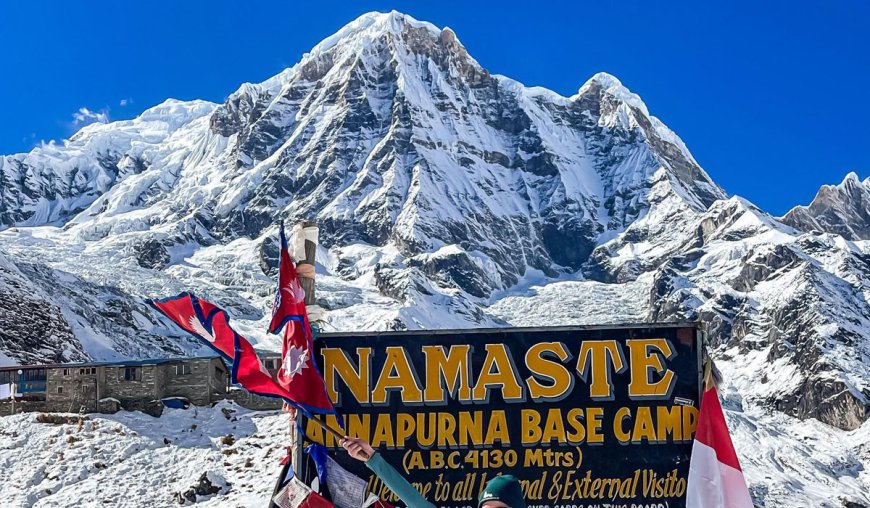
Getting ready for the Annapurna Base Camp Trek means knowing what papers you need and how rules work there. Permits open gates to nature reserves, help protect animals, plus keep hikers safe along the way. Wild places here stay wild because strict care guards landscapes, traditions, and living things together. Checkpoint zones turn people back if they show up without correct documents in hand. Figuring out these details early stops holdups later, so walking begins without snags right from day one.
Annapurna Conservation Area Permit
Getting into the Annapurna area means one thing first: you need the Conservation Area Permit. Inside that boundary lie trees, small towns, and land kept safe by rules. Money from the pass goes toward keeping nature clean, fixing paths, repairing damage over time, and helping locals earn better incomes. Hikers have got to keep it on them every step of the way - checkpoints pop up without warning. Everyone, no matter where they come from, has to hold this paper before stepping foot there.
TIMS Card Must Be Registered
Besides ACAP, trekkers need a Trekkers’ Information Management System pass - often called the TIMS card. Tracking movement becomes easier through this setup, mainly when help might be needed. Authorities watch trail traffic closely so they react fast during crises or mishaps. Safety gets stronger in far-off spots where signals often fail - all because of the TIMS card. Both documents must travel together; without them, walking legally across Annapurna trails isn’t allowed.
Permit Checkpoints Along the Route
Most of the way up to Annapurna Base Camp, stops appear where paper checks happen. Each one sits at a gate or small town where paths meet. Workers look over your papers so they know you’re signed in right. Carrying those forms out front saves time when moving through. Reaching each point means someone marks you passed. At times, missing a proper permit brings penalties or blocked entry. Safety stays higher because these stops manage who moves through the trail zone.
Trekking Rules and Environmental Guidelines
Walking through Annapurna means sticking to eco-friendly guidelines meant to shield both nature and nearby villages. Tossing trash carelessly? That won’t fly - pack your garbage out or find official disposal spots. Plastic bottles and bags get frowned upon heavily, since they pile up fast in fragile zones. Animals, trees, ancient shrines - they’re off limits when it comes to interference. By keeping these habits alive, travelers make sure the trails stay breathtaking years down the line, not just for now but far beyond. Each footstep adds up when everyone plays their part without making a show of it.
Local Culture and Respectful Behavior
Walking through the Annapurna area means paying attention to how people live there. Through quiet villages, old ways shape daily life along the trail. Cover shoulders and legs, seek approval before photographing individuals, act with care near temples or sacred spots. A warm hello goes far, especially when shared with a smile after someone offers tea or shelter. Honoring traditions doesn’t just change moments - it shapes how travelers are remembered by those who call the mountains home.
Safety Rules and Trekking Advice
Staying safe matters most when walking through the Annapurna mountains. Footpaths that are clearly signed exist for good reason - straying off them can bring trouble, particularly where trees thicken or air grows thin. Before moving forward each day, checking how the sky behaves makes sense. Getting ready well ahead of time helps, besides, having someone experienced alone often lowers risk. Start safe. Carry emergency contacts alongside proof of insurance. Guidelines lower dangers while keeping treks under control. Stay covered, stay clear.
Conclusion
Getting permission might sound like paperwork stress but it actually keeps the trails wild and people safe on the Annapurna Base Camp route. Instead of just red tape, think of ACAP and TIMS cards as quiet guardians helping track footfall and fund care for nature here. Hikers move through fragile valleys where even small actions matter so sticking to local customs plus leaving zero trace is expected. Respect shows up in how you pack out waste or greet villagers - tiny choices shaping big outcomes across mountain landscapes. Show up ready with documents sorted, then step into a walk that flows easier when rules blend quietly with the rhythm of the hills.






