

Apricot Kernel Oil Benefits: 12 Uses for Skin, Hair & Body
Discover 12 apricot kernel oil benefits for skin, hair and body, plus how to use it, possible side effects, comparisons and buying tips.
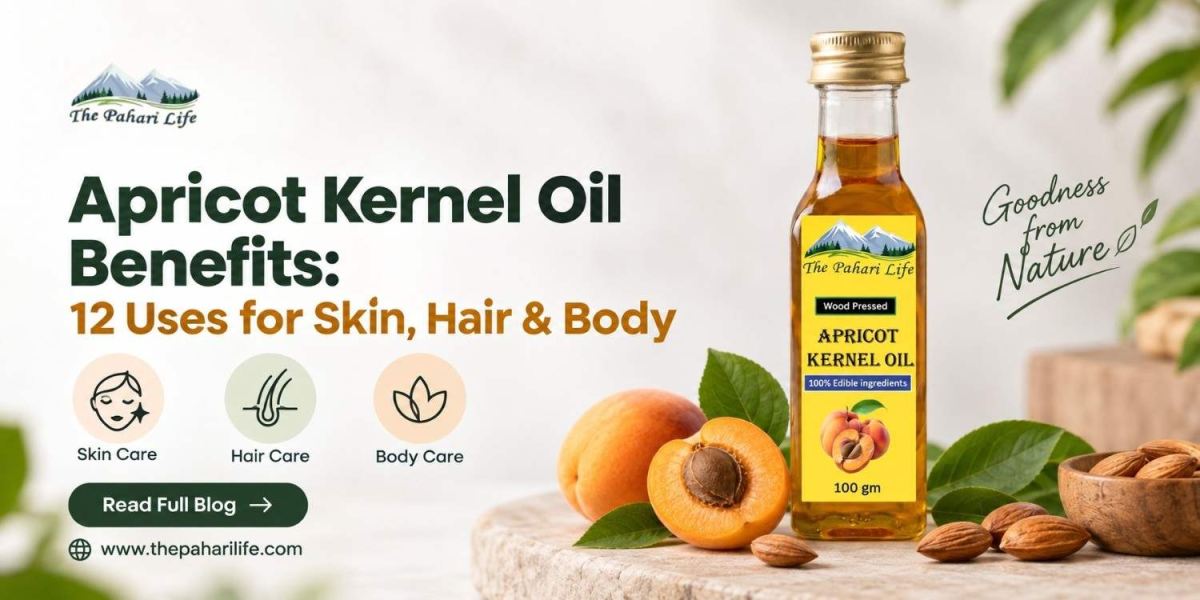
Apricot kernel oil is a light plant oil extracted from the kernel inside an apricot stone. Also known as apricot seed oil or khubani oil, it is commonly used in skincare, haircare, massage oils and cosmetic formulations.
Its main value comes from its emollient and conditioning properties. In simple terms, it can help dry-feeling skin feel softer, improve the feel of rough or frizzy hair, smooth dry hair ends and provide a useful base for massage or carrier-oil blends.
Quick Answer: The main apricot kern
el oil benefits relate to skin and hair conditioning. It can help soften dry-feeling skin, condition rough hair, smooth dry ends and work as a massage or carrier oil. It is useful as a cosmetic oil, but it should not be treated as a cure for skin conditions, hair loss or other medical problems.
Scientific research shows that apricot kernel oil is naturally rich in oleic and linoleic fatty acids, along with smaller amounts of tocopherols and plant sterols. However, its composition can vary depending on the apricot variety, growing conditions and extraction method.
Apricot Kernel Oil Benefits at a Glance
|
Use |
What It May Help With |
Best Suited For |
|
Facial oil |
Softens and conditions skin |
Normal or dry-feeling skin |
|
Body oil |
Reduces a rough, dry feel |
Dry body areas |
|
Massage oil |
Provides smooth slip |
Body massage |
|
Carrier oil |
Acts as a base for suitable essential-oil blends |
Aromatherapy users |
|
Hair oil |
Conditions dry strands |
Dry or frizzy hair |
|
Hair ends |
Helps improve smoothness |
Rough or dry ends |
|
Pre-shampoo oil |
Adds conditioning before washing |
Dry hair |
|
Scalp massage |
Provides lubrication |
Dry-feeling scalp |
|
Cuticle care |
Softens dry cuticles |
Dry hands |
|
Hand and foot care |
Helps soften rough areas |
Dry hands and heels |
|
DIY skincare |
Works as an emollient ingredient |
Home formulators |
|
Cosmetic formulations |
Adds oil-based conditioning |
Balms, creams and body oils |
What Is Apricot Kernel Oil?
Apricot kernel oil is extracted from the kernel found inside the hard stone of the apricot fruit, botanically known as Prunus armeniaca.
The process is simple to understand:
Apricot fruit → Stone → Kernel → Oil extraction
While shopping, you may come across several names:
-
Apricot kernel oil
-
Apricot seed oil
-
Apricot oil
-
Khubani oil
-
Khubani kernel oil
In India, khubani oil is a familiar name for oil obtained from apricot kernels.
Apricot seed oil and apricot kernel oil are also commonly used as names for the same type of oil in consumer products. Still, it is worth checking the ingredient label to confirm exactly what the bottle contains.
How Is Apricot Kernel Oil Extracted?
Apricot kernel oil can be produced in different ways.
Cold pressing uses mechanical pressure to extract oil from the kernels while limiting exposure to high processing temperatures.
Refined apricot kernel oil goes through additional processing to remove unwanted colour, aroma, impurities or other components.
Industrial extraction methods may also be used.
The final oil can differ in aroma, colour and composition depending on the raw material and extraction method. A scientific review of apricot kernel oil found that region, variety and extraction technique can all influence oil quality and composition.
What Does Apricot Kernel Oil Contain? Fatty Acids & Key Compounds
Many of apricot kernel oil's cosmetic properties come from the fatty acids it naturally contains.
A major scientific review reported these approximate ranges across studied apricot kernel oils:
-
Oleic acid: 57.9% to 68.43%
-
Linoleic acid: 22.82% to 30.4%
-
Palmitic acid: 3.9% to 8.1%
-
Smaller amounts of stearic, linolenic and palmitoleic acids
The oil can also contain compounds such as tocopherols, phenolic compounds and phytosterols.
|
Component |
Why It Matters in Cosmetic Use |
|
Oleic acid |
Contributes to the oil's rich, emollient feel |
|
Linoleic acid |
An important fatty acid found naturally in skin lipids |
|
Tocopherols |
Naturally occurring antioxidant compounds |
|
Phytosterols |
Plant compounds found in many vegetable oils |
|
Triglycerides |
Form most of the basic oil structure |
These numbers should not be treated as a guaranteed specification for every bottle of apricot kernel oil.
For example, a 2026 study found 64% oleic acid in one tested sweet apricot kernel oil sample, while linoleic acid was the next major fatty acid.
That variation is normal in natural agricultural products.
12 Apricot Kernel Oil Benefits and Uses
1. Helps Soften Dry-Feeling Skin
One of the most practical apricot kernel oil benefits is its ability to act as an emollient.
Emollients help make the outer surface of the skin feel softer and smoother.
This makes the oil useful for areas that often feel dry or rough, including:
-
Elbows
-
Knees
-
Hands
-
Legs
-
Feet
For body care, try applying a small amount after bathing while the skin is still slightly damp.
2. Helps Reduce the Rough Feel of Dry Skin
Oil and water do different jobs in a skincare routine.
Apricot kernel oil does not hydrate skin in the same way that water-based products or humectants such as glycerin do.
Instead, it can soften the skin and help slow moisture loss from its surface.
For example, someone with dry-feeling facial skin may prefer:
Moisturizer → 1 or 2 drops of apricot kernel oil
rather than replacing moisturizer completely with oil.
Research on topical plant oils also shows that their effects depend on the fatty-acid profile, formulation and condition of the skin. High-oleic oils should not automatically be assumed to improve every damaged or inflamed skin barrier.
3. Can Be Used as a Facial Oil
Apricot kernel oil can be added to a simple facial routine if your skin tolerates it.
Try:
-
Cleanse your face.
-
Apply your usual serum or moisturizer.
-
Take 1 or 2 drops of oil.
-
Gently press it over the skin.
You do not need to coat your face heavily.
If you have oily, acne-prone or highly reactive skin, introduce the oil gradually.
4. Works Well in Body-Care Routines
Apricot kernel oil can also be used beyond the face.
It may help condition:
-
Dry legs
-
Rough elbows
-
Knees
-
Hands
-
Heels
-
Cuticles
In hot or humid Indian weather, start with a small amount. This can be more comfortable than applying a heavy layer of oil.
5. Can Be Used as a Massage Oil
Apricot kernel oil has a smooth texture that makes it useful for body massage.
It provides slip between the hands and skin, which helps reduce friction during massage.
Apricot kernel oil has also been documented in scientific literature as an ingredient used in cosmetics and personal-care formulations.
6. Works as a Carrier Oil
A carrier oil is a fixed vegetable oil used as a base when properly diluting certain essential oils for topical use.
Apricot kernel oil can serve this purpose because it spreads easily across the skin.
However, do not assume that every essential oil can be used at the same concentration.
Safe dilution can depend on:
-
The essential oil
-
Area of application
-
Age of the user
-
Skin sensitivity
-
Intended use
Follow the safety instructions for the specific essential oil you are using.
7. Helps Condition Dry Hair
Apricot kernel oil can be useful when hair feels dry, rough or difficult to manage.
A small amount may help hair feel:
-
Softer
-
Smoother
-
Less rough
-
More manageable
This is a conditioning effect.
It does not mean that the oil permanently repairs hair damaged by bleach, chemical treatment or excessive heat.
8. Helps Smooth Dry Hair Ends
You do not need to apply oil from roots to ends.
If only the tips of your hair feel dry, place one or two drops between your palms and lightly smooth the oil over the ends.
This may work particularly well for:
-
Long hair
-
Coarse hair
-
Dry ends
-
Frizzy-looking hair
Start with very little.
Too much oil can quickly make fine hair look heavy or greasy.
9. Can Be Used Before Shampooing
Apricot kernel oil can also be used as a pre-shampoo conditioning treatment.
A simple routine looks like this:
-
Take a small amount of oil.
-
Apply it mainly to the mid-lengths and ends.
-
Leave it on for a short period.
-
Shampoo thoroughly.
-
Condition as usual if needed.
People with fine hair should use less than people with coarse or very dry hair.
10. Can Be Used for Scalp Massage
A small amount of apricot kernel oil can provide lubrication while massaging the scalp.
Massage gently and wash afterward if required.
This should not be confused with a proven hair-growth treatment.
There is not strong clinical evidence showing that applying apricot kernel oil alone causes new hair growth or treats common causes of hair loss.
11. Helps Soften Cuticles, Hands and Feet
Apricot kernel oil can be useful for small dry areas that are easy to overlook.
For cuticles:
-
Use about one drop.
-
Massage it around the nail.
-
Repeat when needed.
For dry hands or heels, massage a few drops into the area after washing.
12. Can Be Used in DIY Cosmetic Formulations
Apricot kernel oil is versatile enough to appear in different personal-care products.
Examples include:
-
Facial oils
-
Body oils
-
Hair oils
-
Massage oils
-
Balms
-
Creams
-
Lip products
-
Soaps
For beginners, ready-made cosmetic products are usually easier than creating complex formulations at home.
Apricot Kernel Oil Benefits for Skin
For skin, apricot kernel oil is best viewed as a softening and conditioning oil.
It may suit people with normal or dry-feeling skin who enjoy facial or body oils.
Is Apricot Kernel Oil Good for Dry Skin?
It can be a useful addition to a dry-skin routine because it acts as an emollient.
For example:
Cleanser → Serum → Moisturizer → 1 or 2 drops of oil
can make more sense than expecting oil alone to provide everything dry skin needs.
If you have eczema, dermatitis or another diagnosed skin condition, do not rely on a cosmetic oil as treatment.
Can Mature Skin Use Apricot Kernel Oil?
Mature skin often feels drier, so an emollient oil may help improve softness and comfort.
However, avoid expecting apricot kernel oil to:
-
Reverse ageing
-
Remove wrinkles
-
Restore collagen
-
Permanently tighten skin
Those claims go beyond what the evidence supports.
What About Sensitive or Acne-Prone Skin?
Natural oils are not automatically suitable for sensitive skin.
If your skin reacts easily:
-
Patch test first.
-
Introduce one new product at a time.
-
Stop if persistent redness, itching or burning occurs.
Acne-prone users should also start cautiously because individual skin responses differ.
Apricot Kernel Oil Benefits for Hair
For hair, apricot kernel oil is mainly useful as a conditioning oil.
It may help dry or rough hair feel softer and smoother when used on:
-
Mid-lengths
-
Ends
-
Before shampooing
-
During a scalp massage
The distinction is important.
Improving how existing hair feels is different from stimulating new hair growth.
How to Use Apricot Kernel Oil
|
Area |
Starting Amount |
How to Use |
When |
|
Face |
1-2 drops |
Press lightly over moisturizer |
Evening or as needed |
|
Body |
Small amount |
Massage into slightly damp skin |
After bathing |
|
Hair ends |
1-2 drops |
Smooth lightly over ends |
As needed |
|
Pre-shampoo |
Small amount |
Apply to lengths |
Before washing |
|
Scalp |
Small amount |
Massage gently |
Before shampooing |
|
Cuticles |
About 1 drop |
Massage around nails |
As needed |
|
Hands/feet |
Few drops |
Massage into dry areas |
As needed |
These are practical starting amounts, not medical dosages.
Your ideal amount may vary depending on your skin type, hair length, climate and the product itself.
Apricot Kernel Oil vs Almond Oil vs Jojoba Oil
There is no single oil that is best for everyone.
|
Feature |
Apricot Kernel Oil |
Sweet Almond Oil |
Jojoba Oil |
|
Source |
Apricot kernel |
Almond kernel |
Jojoba seed |
|
General texture |
Light to medium |
Medium |
Usually light |
|
Common use |
Skin, hair, massage |
Skin, hair, massage |
Face, scalp, hair |
|
Main lipid type |
Triglyceride oil |
Triglyceride oil |
Mainly wax esters |
|
Dry-skin use |
Common |
Common |
Common |
|
Hair use |
Common |
Common |
Common |
|
Best choice |
Depends on skin and use |
Depends on skin and use |
Depends on skin and use |
Apricot Kernel Oil vs Almond Oil
These two oils have similar cosmetic uses.
Both are commonly used for:
-
Massage
-
Dry-feeling skin
-
Hair conditioning
-
Facial oils
Apricot kernel oil may feel lighter to some users, but texture also depends on processing and formulation.
Apricot Kernel Oil vs Jojoba Oil
Jojoba is chemically different from typical vegetable oils because it consists mainly of wax esters rather than triglycerides.
People who find conventional oils too rich may prefer jojoba, while others may prefer the feel of apricot kernel oil.
The best choice depends on your skin, hair and personal preference.
Cold-Pressed vs Refined Apricot Kernel Oil
|
Factor |
Cold-Pressed |
Refined |
|
Processing |
Mechanically extracted with limited heat exposure |
Further processed after extraction |
|
Aroma |
Usually more noticeable |
Often milder |
|
Colour |
More natural variation |
Often more uniform |
|
Consistency |
Can vary by batch |
Often more standardized |
|
Best suited for |
Buyers who value minimal processing |
Formulations needing consistency |
Is Cold-Pressed Apricot Kernel Oil Better?
Not automatically for every use.
Cold pressing involves less intensive processing, but overall quality also depends on:
-
Quality of the kernels
-
Freshness
-
Manufacturing standards
-
Storage
-
Packaging
-
Oxidation control
Extraction method is important, but it is only one part of choosing a good oil.
Possible Disadvantages and Side Effects of Apricot Kernel Oil
Apricot kernel oil is useful, but it will not suit everyone.
It Can Feel Too Heavy
People with oily skin or fine hair may find that too much oil leaves a greasy feel.
Use less first.
Botanical Oils Can Cause Reactions
Even natural ingredients can cause irritation or allergic reactions.
Stop using a product if you develop persistent:
-
Redness
-
Burning
-
Itching
-
Swelling
-
Rash
Oils Can Oxidize
Heat, light and prolonged exposure to air can gradually degrade plant oils.
Store the bottle according to the manufacturer's directions and keep it tightly closed.
It Is Not a Medical Treatment
Apricot kernel oil should not be used as a substitute for appropriate treatment for:
-
Acne
-
Eczema
-
Psoriasis
-
Hair loss
-
Skin infections
-
Persistent scalp problems
Do Not Assume Topical Oil Is Edible
A cosmetic apricot kernel oil should not be consumed unless the product is specifically manufactured and labelled for food use.
Topical use and food use are not interchangeable.
Who Should Use Apricot Kernel Oil?
|
User or Concern |
Suitability |
|
Normal skin |
Can be a useful facial or body oil |
|
Dry-feeling skin |
Often worth considering |
|
Dry hands or feet |
Useful for conditioning |
|
Dry or frizzy hair |
May improve softness |
|
Rough hair ends |
Useful in small amounts |
|
Massage-oil users |
Practical option |
|
DIY cosmetic users |
Versatile base oil |
|
Very oily skin |
Start cautiously |
|
Acne-prone skin |
Patch test and introduce slowly |
|
Highly reactive skin |
Patch test first |
|
Diagnosed skin/scalp condition |
Seek suitable professional advice |
Expert Tips for Using Apricot Kernel Oil
Use Less Than You Think You Need
One of the easiest mistakes is applying too much.
For the face, start with one or two drops.
For hair ends, spread a tiny amount across your palms first.
Apply Face Oil After Water-Based Products
Use the oil near the end of your routine rather than expecting it to replace water-based hydration.
For example:
Cleanser → Serum → Moisturizer → Oil
Patch Test a New Product
If you have not used the oil before, try it on a small area first.
This is particularly useful for people with sensitive or reactive skin.
Keep the Bottle Away From Heat and Direct Sunlight
Good storage helps slow oxidation.
Follow the storage and best-before guidance provided with the product.
Read the Ingredient List
If you want pure apricot kernel oil, check whether the product contains only the intended oil or whether fragrance, essential oils or other ingredients have been added.
Look Beyond the Word “Natural”
When comparing products, check:
-
Ingredient name
-
Extraction method
-
Product source
-
Manufacturer details
-
Batch information
-
Best-before date
-
Intended use
-
Storage instructions
These details tell you more than vague claims such as “miracle oil.”
What Research Says About Apricot Kernel Oil
Research gives us useful information about the composition of apricot kernel oil, but direct human clinical evidence for many popular skincare and haircare claims remains limited.
One scientific review found oleic acid to be the major fatty acid in studied apricot kernel oils, commonly ranging from 57.9% to 68.43%. Linoleic acid generally ranged from 22.82% to 30.4%.
A more recent study found 64% oleic acid in one apricot kernel oil sample.
The important point is not that every bottle contains exactly these percentages.
Apricot kernel oil composition can change based on:
-
Variety
-
Region
-
Climate
-
Maturity
-
Extraction
-
Processing
-
Storage
That is why fatty-acid data should be treated as representative research information rather than a guaranteed product specification.
Practical Example: A 14-Day Apricot Kernel Oil Routine Test
If you want to know whether apricot kernel oil actually suits your skin, a simple observation routine can be more useful than expecting instant results.
Here is an example for an adult with healthy but dry-feeling skin.
Day 1: Establish a Baseline
Before adding the oil, note:
-
How dry your skin feels
-
Roughness
-
Current moisturizer
-
Any existing irritation
Patch test first.
Days 2-7: Introduce the Oil
Use your normal moisturizer, followed by one or two drops of apricot kernel oil in the evening.
Avoid adding several other new skincare products at the same time.
Track:
-
Softness
-
Greasiness
-
Comfort
-
Redness
-
Irritation
Days 8-14: Continue if Well Tolerated
At the end of the two weeks, ask:
-
Does my skin feel softer?
-
Is the oil comfortable?
-
Does it feel too greasy?
-
Did I notice irritation?
-
Is the routine practical enough to continue?
This is a personal observation method, not a clinical study. It helps you decide whether the product fits your routine without pretending that one person's experience proves a medical benefit.
How to Choose a Good Apricot Kernel Oil in India
With traditional plant oils, origin, extraction and ingredient transparency matter just as much as the benefits listed on the label.
Check the Ingredient Name
Look for apricot kernel oil or Prunus armeniaca kernel oil where applicable.
Check Whether It Is Pure or Blended
A blend is not automatically inferior.
The important thing is knowing what you are purchasing.
Read the full ingredient list.
Check the Extraction Method
If you specifically want cold-pressed oil, look for a clear statement about the extraction method.
Do not assume every product described as “natural” is cold pressed.
Check Where It Comes From
Origin can help explain how the product is sourced and produced.
For example, The Pahari Life states that its Apricot Kernel (Khubani) Oil is sourced from orchards in the Ramgarh belt of Uttarakhand and is cold pressed and macro-filtered.
Check Packaging and Product Information
Before buying, look for:
-
Net quantity
-
Ingredient details
-
Manufacturer or marketer information
-
Batch details
-
Manufacturing or packing date
-
Best-before date
-
Usage directions
-
Storage instructions
A clear product label is more useful than exaggerated wellness promises.
Frequently Asked Questions About Apricot Kernel Oil
1. What are the main apricot kernel oil benefits?
Apricot kernel oil is mainly useful as an emollient and conditioning oil. It can help dry-feeling skin feel softer, condition dry or rough hair, smooth dry hair ends and provide slip for massage or carrier-oil blends.
2. Can apricot kernel oil be used on the face?
Yes, it can be used as a facial oil if your skin tolerates it. Start with one or two drops after moisturizer and introduce it gradually, especially if you have oily, acne-prone or sensitive skin.
3. Is apricot kernel oil good for dry skin?
It may help improve the softness and feel of dry skin because it acts as an emollient. However, it should not be treated as a medical treatment for eczema, dermatitis or another skin condition.
4. Can I use apricot kernel oil every day?
Some people may use it daily, while others prefer occasional use. Start with a small amount and adjust based on your skin type, hair type and climate.
5. Does apricot kernel oil clog pores?
There is no reliable guarantee that one botanical oil will behave the same way on everyone's skin. Acne-prone users should introduce it slowly and stop if breakouts or irritation noticeably worsen.
6. Is apricot kernel oil good for hair?
It can be useful for conditioning dry, rough or frizzy hair. A small amount applied to the lengths or ends may improve softness and manageability.
7. Does apricot kernel oil help hair growth?
There is not strong clinical evidence that apricot kernel oil alone causes new hair growth. Its more realistic role is conditioning existing hair and providing lubrication during scalp massage.
8. Is apricot kernel oil better than almond oil?
Neither is automatically better. Both are commonly used for skin, hair and massage. Texture preference, skin response and intended use are better factors for choosing between them.
9. What is khubani oil?
Khubani is a common Hindi name for apricot. Khubani oil usually refers to oil extracted from apricot kernels, although the ingredient label should still be checked.
10. Are apricot seed oil and apricot kernel oil the same?
The terms are commonly used interchangeably in cosmetic products because the oil is extracted from the seed or kernel found inside the apricot stone. Always confirm the ingredient list when buying.
11. Is cold-pressed apricot kernel oil better than refined oil?
Cold-pressed oil undergoes less intensive processing, but that alone does not guarantee better overall quality. Freshness, raw-material quality, packaging, storage and manufacturing standards also matter.
12. How should apricot kernel oil be stored?
Keep it tightly closed and away from excessive heat and direct sunlight. Follow the storage instructions and best-before date provided by the manufacturer.
Conclusion: Is Apricot Kernel Oil Worth Using?
Apricot kernel oil is a versatile plant oil for people looking for simple skin, hair and body-care options.
Its most practical benefits come from its ability to soften and condition. It can help dry-feeling skin feel smoother, improve the feel of rough hair, condition dry ends and work well in massage and carrier-oil blends.
At the same time, keep expectations realistic.
It is a cosmetic oil, not a cure for acne, eczema, hair loss or other medical conditions.
If you decide to try it, start with a small amount, pay attention to how your skin or hair responds and choose a product with clear information about its ingredients, extraction and source.
Explore Cold-Pressed Apricot Kernel Oil
Looking for a simple Himalayan oil to add to your skin, hair or body-care routine?
Explore The Pahari Life Apricot Kernel (Khubani) Cold Pressed Oil to review its sourcing, extraction method and product details before deciding whether it fits your routine.

The Pahari Life brings authentic food, wellness products and Pahari essentials from the hills to your doorstep. Explore handpicked Pahari dals, herbs, spices, Himalayan salts, fruit preserves, cold pressed oils, essential oils, handmade soaps and natural skincare products. We partner with local producers and women’s self-help groups while promoting quality, sustainability and the rich traditions of Pahari life.





Comments (0)