Best Small Hospital Design: A Complete Guide by Leading Healthcare Architects in India
 JackJanson
Designing a hospital is far more than constructing a building—it’s about creating a healing environment that supports patients, families, and medical professionals. When it comes to the Best Small Hospital Design, the focus must be on efficiency, patient comfort, safety, and future scalability. With the growing demand for quality healthcare in urban and semi-urban areas, experienced Healthcare Architects in India are redefining modern medical infrastructure through smart planning and innovative design.
In this blog, we explore how thoughtful Hospital Building Design and a well-structured Hospital Design Plan can transform small healthcare facilities into highly functional and patient-friendly environments.
Why Small Hospitals Need Smart Design
Small hospitals play a crucial role in delivering accessible healthcare, especially in tier-2 and tier-3 cities. However, limited space and budget constraints require strategic planning. The Best Small Hospital Design ensures:
- Maximum space utilization
- Efficient patient flow
- Reduced operational costs
- Enhanced infection control
- Comfortable healing environments
A well-designed small hospital can function as efficiently as a large multi-specialty facility when planned correctly.
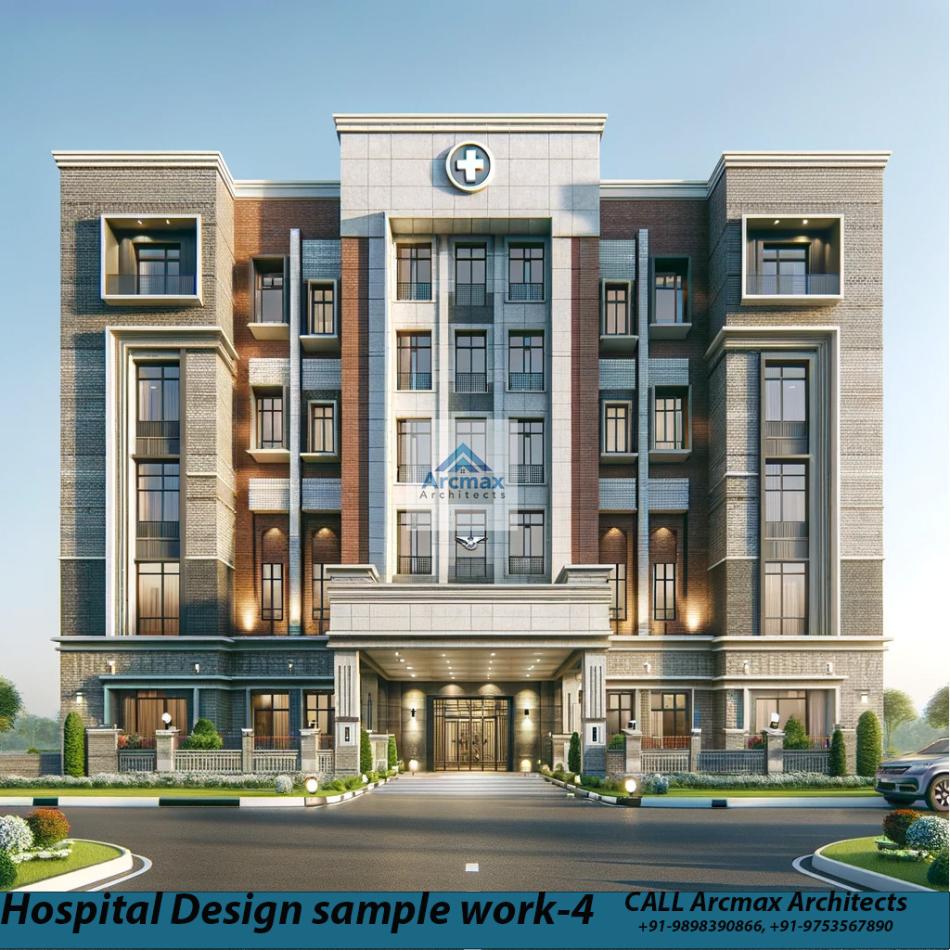
Role of Healthcare Architects in India
Professional Healthcare Architects in India understand the complexity of medical infrastructure. Hospital design is not like residential or commercial architecture—it requires compliance with healthcare regulations, infection control standards, safety norms, and medical workflow planning.
Experienced architects focus on:
1. Functional Zoning
Zoning divides the hospital into clear functional areas such as:
- Outpatient Department (OPD)
- Emergency and Trauma
- Operation Theatres
- Inpatient Wards
- Diagnostic Services
- Administrative Areas
Proper zoning reduces cross-traffic and enhances patient privacy and operational efficiency.
2. Workflow Optimization
In a well-planned Hospital Design Plan, patient movement, staff circulation, and supply management are carefully mapped. For example:
- Emergency should be near the entrance.
- Operation theatres should have restricted sterile access.
- Diagnostic services should be easily accessible from OPD.
This systematic planning is essential for smooth hospital operations.
Key Elements of the Best Small Hospital Design
1. Efficient Space Planning
In small hospitals, every square foot matters. Architects must design:
- Multi-functional rooms
- Compact yet fully equipped operation theatres
- Shared nursing stations
- Modular ward layouts
Smart layouts reduce construction costs while maintaining quality care standards.
2. Patient-Centered Design
Modern Hospital Building Design focuses on patient comfort. This includes:
- Natural lighting
- Proper ventilation
- Noise reduction
- Comfortable waiting areas
- Clear signage
Studies show that a positive environment improves recovery rates and reduces patient stress.
3. Infection Control Measures
Infection prevention is critical in healthcare facilities. The Hospital Design Plan must include:
- Separate clean and dirty corridors
- Adequate handwashing stations
- Proper HVAC systems
- Isolation rooms
- Anti-bacterial surface materials
Healthcare architects ensure compliance with NABH and other healthcare guidelines in India.
4. Safety and Accessibility
Small hospitals must follow universal accessibility norms. Key design considerations include:
- Wheelchair-friendly ramps
- Wide corridors
- Elevator access
- Emergency exits
- Fire safety compliance
Safety planning is a vital component of any Hospital Building Design.
Sustainable Hospital Design in India
Sustainability is becoming a major focus for Healthcare Architects in India. Green building strategies reduce operational costs and environmental impact.
Sustainable features include:
- Energy-efficient lighting
- Solar panels
- Rainwater harvesting systems
- Waste management systems
- Natural ventilation design
For small hospitals, these features lower long-term expenses and improve overall efficiency.
Technology Integration in Hospital Design Plan
Modern healthcare facilities require technological readiness. The Best Small Hospital Design integrates:
- Telemedicine rooms
- Digital patient record systems
- Smart nurse call systems
- Advanced diagnostic equipment spaces
- IT server rooms
Architects must plan for future technological upgrades to ensure scalability.
Planning for Future Expansion
Even small hospitals should be designed with expansion in mind. A flexible Hospital Design Plan allows:
- Additional floors in the future
- Expansion of OPD services
- Addition of specialty departments
- Upgrading of ICU capacity
Future-ready Hospital Building Design prevents expensive structural modifications later.
Cost Management Without Compromising Quality
Budget is a key concern in small hospital projects. Experienced Healthcare Architects in India balance cost and functionality by:
- Using modular construction techniques
- Selecting durable yet economical materials
- Designing energy-efficient systems
- Reducing unnecessary structural complexity
This ensures the hospital remains financially viable while maintaining high standards.
Importance of Regulatory Compliance
Healthcare projects in India must comply with:
- Local building regulations
- Fire safety norms
- Biomedical waste management rules
- NABH guidelines
A professionally developed Hospital Design Plan ensures all approvals are secured smoothly, avoiding costly delays.
Conclusion
Creating the Best Small Hospital Design requires expertise, strategic planning, and deep understanding of healthcare operations. Skilled Healthcare Architects in India play a crucial role in shaping functional, patient-friendly, and future-ready medical facilities.
From efficient zoning and infection control to sustainable practices and technology integration, every aspect of Hospital Building Design must be thoughtfully executed. A well-crafted Hospital Design Plan not only enhances operational efficiency but also improves patient outcomes and long-term profitability.
If you are planning to build or renovate a small hospital, investing in experienced healthcare architectural services is the first step toward building a successful and sustainable medical facility.