BPC-157 for Gut and Tissue Healing: Benefits, Science, and Recovery Insights
BPC-157, also known as Body Protection Compound-157, is a peptide made up of 15 amino acids. It is a lab-developed version of a compound naturally found in the human stomach.
 hotspan
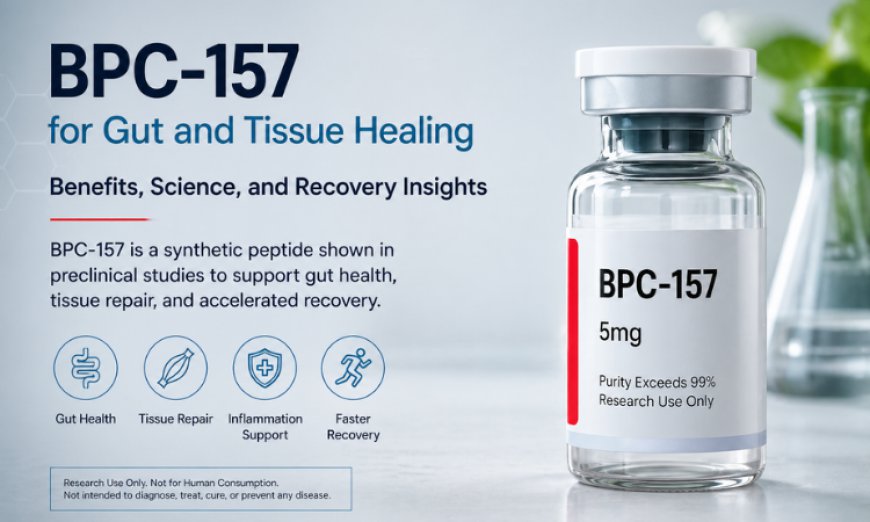
BPC-157 for Gut and Tissue Healing is becoming a widely discussed topic in regenerative wellness and recovery science. This synthetic peptide, derived from a naturally occurring protein in gastric juice, is being studied for its potential to support internal healing, reduce inflammation, and accelerate tissue repair.
With growing interest in advanced recovery solutions, BPC-157 is gaining attention for its possible impact on both digestive health and overall tissue regeneration. This article provides a clear overview of how it works, its benefits, and current research insights.
What is BPC-157?
BPC-157, also known as Body Protection Compound-157, is a peptide made up of 15 amino acids. It is a lab-developed version of a compound naturally found in the human stomach. Researchers believe this peptide plays a role in protecting and repairing tissues, especially within the digestive system.
Unlike traditional supplements, BPC-157 is categorized as a research compound. While it shows promising results in early studies, it is still under investigation and not widely approved for clinical use.
How BPC-157 Supports Gut Health
The main reason BPC-157 for Gut and Tissue Healing is gaining attention is its strong connection to digestive health. Since it originates from gastric proteins, it is believed to naturally support the gastrointestinal system.
Research suggests that BPC-157 may:
-
Help repair the intestinal lining
-
Reduce inflammation in the digestive tract
-
Support healing of ulcers and gut lesions
-
Protect the stomach from damage caused by stress or medications
Preclinical studies, especially in animal models, have shown improved gut integrity and faster healing of intestinal injuries. These findings highlight its potential as a supportive compound for maintaining digestive balance.
BPC-157 for Tissue Healing and Recovery
In addition to gut health, BPC-157 for Gut and Tissue Healing is widely studied for its regenerative effects on various tissues. It is often associated with faster recovery from injuries and improved healing processes.
Potential tissue-related benefits include:
-
Support for muscle recovery after strain or injury
-
Enhanced healing of tendons and ligaments
-
Improved wound healing and skin repair
-
Possible support for nerve and bone recovery
One of the key mechanisms behind these benefits is its ability to promote angiogenesis, which is the formation of new blood vessels. This process helps deliver oxygen and nutrients to damaged areas, supporting faster and more effective healing.
Mechanism Behind BPC-157
The effectiveness of BPC-157 for Gut and Tissue Healing is linked to how it interacts with the body’s natural repair systems. It influences several biological pathways, including:
-
Angiogenesis: Encourages new blood vessel formation
-
Inflammation control: Helps regulate inflammatory responses
-
Cell regeneration: Supports repair and growth of damaged tissues
-
Nitric oxide activity: Improves circulation and cellular communication
These combined actions allow BPC-157 to support healing across multiple systems, making it a subject of interest in recovery-focused research.
Research and Current Limitations
While the benefits of BPC-157 for Gut and Tissue Healing appear promising, it is important to understand the current limitations. Most available studies have been conducted on animals, and human clinical trials are still limited.
Due to this, BPC-157 is not approved as a standard treatment in mainstream medicine. Its use is typically associated with experimental or research-based applications rather than regulated therapies.
Safety and Usage Considerations
As with any emerging compound, safety is an important factor. Since BPC-157 is not fully regulated, product quality and consistency can vary.
Key considerations include:
-
Seeking advice from a qualified healthcare professional
-
Using only reliable and verified sources
-
Understanding that long-term effects are still under study
Responsible use is essential when exploring research peptides like BPC-157.
Conclusion
BPC-157 for Gut and Tissue Healing continues to gain attention for its potential to support digestive health and accelerate tissue repair. Its role in reducing inflammation, improving blood flow, and promoting regeneration makes it a promising area of ongoing research.
However, the lack of extensive human studies means it should be approached with caution. As scientific research progresses, BPC-157 may become more clearly defined in the field of regenerative health.
For now, it remains an evolving solution for those seeking advanced recovery support, with informed decision-making and professional guidance being essential.