Cage Nuts Explained: Purpose, Types, and Uses in Server Racks
 maddysmith1
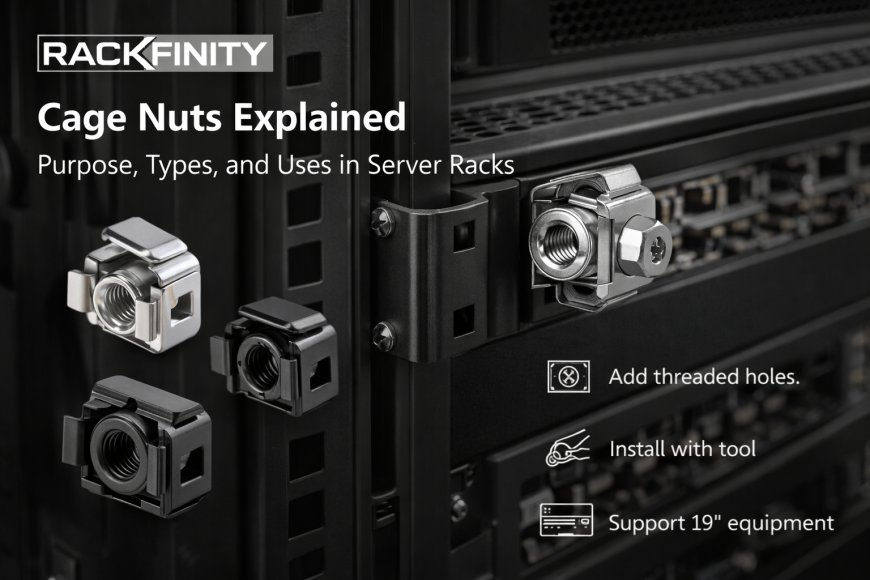
Server racks are designed to hold critical IT equipment such as servers, switches, and patch panels. To install these devices safely, racks use specific mounting hardware that allows equipment to be attached securely without damaging the rack structure. Small components often play a major role in maintaining stability inside the rack system.
One of the most widely used mounting components in modern rack systems is the cage nut. Understanding how it works and where it is used helps technicians install equipment correctly and maintain stable rack setups over time.
What Cage Nuts Are and How They Work in Server Racks
Cage nuts are small metal fasteners placed inside square mounting holes of a server rack. They consist of a threaded nut enclosed in a spring steel cage that snaps into the rack hole. The cage holds the nut in place while still allowing slight movement so that screws can align properly during installation.
This design makes cage nuts extremely useful for racks with square holes because the rack frame itself does not contain threaded holes. The cage allows the nut to be inserted and removed when needed, making racks more flexible for different equipment installations.
A cage nut creates a threaded mounting point where equipment can be secured. Once installed, it allows technicians to attach servers, shelves, or panels using standard mounting hardware. The flexibility of the cage also helps align screws with equipment mounting rails.
Because of this simple design, caged nuts are widely used in data centers and IT infrastructure where rack equipment must be installed, removed, or replaced regularly.
The Purpose of Cage Nuts in Rack Equipment Installation
The main purpose of Cage Nuts is to provide a reliable threaded mounting point inside racks with square mounting holes. Without them, it would not be possible to attach equipment securely to the rack rails.
These fasteners help distribute the weight of rack-mounted devices across the rack frame. Servers and networking equipment can be heavy, so the mounting system must support that load safely.
In many installations, technicians use m6 cage nuts because they provide strong support for common rack equipment. The threaded structure allows devices to be tightened securely without damaging the rack rails.
Another advantage of caged nuts for server racks is their replaceable design. If a nut becomes damaged, it can easily be removed and replaced without affecting the rack structure. This makes maintenance easier and extends the life of the rack system.
Common Types of Cage Nuts Used in Server Racks
Different rack installations may require different sizes or types of cage nuts. The main variation usually depends on thread size and equipment compatibility.
Some of the most commonly used types include:
-
M6 cage nuts used in many modern server racks
-
10-32 cage nuts commonly used in North American rack systems
-
12-24 cage nuts designed for heavier rack equipment
-
Heavy-duty cage nuts built for high-density data center environments
Each type is designed to support specific equipment mounting requirements. Choosing the correct nut size ensures proper thread compatibility with mounting hardware.
Technicians working with caged nuts for rack mounting must always verify the thread type before installation. Using the wrong size may prevent screws from tightening properly or may damage the mounting hardware.
How Cage Nuts Are Installed in Rack Rails
Installing Cage Nuts is a simple process, but it requires careful handling to avoid damaging the rack rails or the cage itself.
Typical installation steps include:
-
Identify the correct rack unit position where equipment will be installed
-
Align the cage nut with the square mounting hole in the rack rail
-
Insert one side of the cage into the hole first
-
Press the opposite side until the cage snaps securely into place
-
Confirm that the nut sits evenly inside the rail
Once installed, the nut provides a threaded point where mounting hardware can be attached. Proper installation ensures that equipment sits evenly on both rack rails and remains stable during operation.
This method is widely used when installing server rack cage nuts in both small network cabinets and large data center racks.
How Rack Screws Work Together with Cage Nuts
Cage Nuts alone do not hold equipment in place. They work together with mounting hardware that secures devices to the rack structure.
The most common hardware used with cage nuts is rack screws, which pass through equipment mounting holes and tighten into the threaded nut. These screws hold servers, switches, shelves, and other rack accessories securely in place.
Some rack hardware kits include rack mount screws specifically designed to match the thread type of cage nuts used in the rack. These screws ensure proper alignment and help prevent damage to the mounting threads.
Technicians installing equipment may also refer to these fasteners as server rack screws, since they are used widely for mounting rack-based devices in IT environments.
Best Practices for Using Cage Nuts in Server Racks
Using Cage Nuts correctly helps maintain stable rack installations and prevents equipment damage. A few simple practices can make installation safer and more efficient.
Some recommended practices include:
-
Always verify the correct thread type before installing nuts
-
Use proper installation tools designed for cage nut insertion
-
Install nuts evenly on both rack rails for balanced equipment support
-
Avoid overtightening screws that may damage the threads
-
Replace damaged nuts immediately to maintain secure mounting
Following these practices helps maintain safe and stable rack setups, especially in environments where equipment is frequently added or replaced.
Where Cage Nuts Are Commonly Used in Rack Environments
Cage Nuts are used in many parts of rack infrastructure because they provide a flexible and replaceable mounting system. They are commonly installed when mounting servers, network switches, storage devices, and cable management accessories.
These fasteners also support accessories such as shelves, blanking panels, and cable organizers. Because racks often need to adapt to new equipment over time, the removable design of cage nuts makes them ideal for changing rack layouts.
Their ability to create secure threaded mounting points without permanently altering the rack frame makes them a standard component in modern server rack installations.
Final Thoughts on Cage Nuts in Server Rack Systems
Understanding how rack mounting hardware works is essential for building stable and organized IT infrastructure. Cage nuts play a key role by providing flexible mounting points for equipment inside racks with square mounting holes.
By choosing the correct type, installing them properly, and using compatible mounting hardware, technicians can ensure that servers and networking equipment remain securely installed while still allowing easy upgrades and maintenance when needed.