Can Regular Massage Improve Your Health in the Long Run?
 robertsmithus
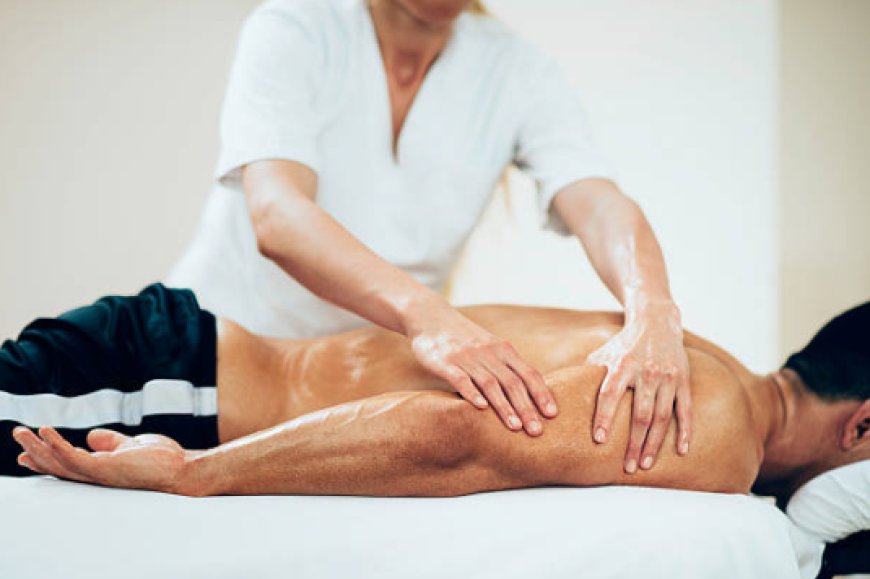
People book a massage expecting one of two things really, total relaxation or genuine pain relief, and honestly those two don't always overlap the way you'd hope walking in. Massage Abingdon clinics offer covers way more ground than most people realize, deep tissue work for chronic tension, sports massage for recovery, relaxation massage that's mostly about stress rather than fixing anything structural at all. Knowing which one you actually need, versus which one just sounded nice on a treatment menu, makes a real difference in whether you walk out feeling like something genuinely shifted or just feeling temporarily looser for a day or two before it all creeps back and tightens up again.
What A Massage Is Actually Doing To Your Muscles
Massage works mechanically, pressure and movement through soft tissue bumps up blood flow to the area, which helps flush out some of the metabolic waste that builds up in tight or overworked muscle. Part of why a good massage genuinely does ease tension, not just in your head but physically, the tissue itself responds to that circulation and manipulation happening. But here's what people miss, that effect's often temporary unless something else changes too. Whatever caused the muscle to tighten in the first place, bad posture, repetitive movement, an old injury that never quite healed right, usually just sits there waiting to recreate the same tension within days or a couple weeks of you leaving the clinic.

Why The Tension Just Comes Right Back
This trips a lot of people up. Get a massage, feel amazing for a few days, then the tightness creeps back and you start wondering if the whole thing even did anything at all. Muscle tension's often just a symptom of something else going on underneath, weak stabilizing muscles forcing others to overcompensate, a desk setup putting constant strain on the neck and shoulders, an old injury that healed but left some restriction baked into the movement pattern. Massage handles the tension itself really well, but it doesn't necessarily fix whatever's causing that tension to keep showing back up. That's why some people end up going regularly just to manage symptoms rather than expecting a one-off fix, which is fine honestly if it's genuinely working for them, but worth knowing that's what's actually happening rather than assuming the treatment failed somehow.
Not All Massage Types Do The Same Job
People book based on a vague idea of what they want, and this catches folks off guard when they don't understand the actual differences between types. Deep tissue massage goes after deeper layers of muscle and connective tissue, firmer pressure working through chronic tension or scar tissue, uncomfortable during the session sometimes but often gives more lasting relief for genuinely tight, restricted areas. Sports massage leans more toward muscle recovery and injury prevention, often used before or after activity to help performance and cut injury risk. Relaxation or Swedish massage uses lighter pressure and is honestly more about stress relief and general wellbeing than fixing a specific physical problem, which is completely valid, just worth knowing going in so what you expect actually lines up with what the treatment's built to do.
When Massage On Its Own Just Isn't Enough
For some issues, particularly ones involving joint restriction or structural misalignment rather than plain muscle tension, massage by itself doesn't fully get to the bottom of what's going on. This is where seeing an Osteopath Oxford practitioner alongside your regular massage sessions can genuinely round things out. Osteopaths look at how joints are actually moving, whether there's restriction in the spine or somewhere else affecting overall movement, something massage isn't really built to assess or treat directly since it's working soft tissue, not joint mechanics. Combining the two, osteopathic work sorting structural stuff, massage handling the resulting muscle tension, often gets better, more lasting results than either one used entirely alone, especially for people whose issue hasn't fully resolved despite months of regular massage.
How Often You Actually Need To Book In
Varies a lot depending on what's actually going on, and honestly there's no one-size answer that fits everyone walking through the door. Someone managing chronic tension from a physically demanding job might do better with more frequent sessions, every couple weeks maybe, just keeping things manageable before tension builds up enough to start genuinely restricting movement or causing real pain. Someone using massage mostly for stress relief and general relaxation might find monthly sessions plenty for what they're actually after. A good therapist's honest about this rather than just pushing maximum frequency no matter what someone actually needs, since over-treating doesn't really help and just costs more money without necessarily producing better results for the person paying for it.
What A Proper Session Should Actually Start With
A decent massage, especially a first one, should kick off with some real conversation, where's the tension or pain sitting, how long's it been going on, is it linked to any specific activity or old injury. Skip this and dive straight into a generic treatment, you're missing the chance to actually target what needs it most, and the therapist's basically working blind instead of with a clear picture of what they're trying to fix. Good therapists check in during the session too, asking about pressure, noting spots that feel particularly tight or restricted, adjusting technique based on what they're actually finding rather than just running through a standard routine no matter what's actually presenting that day for that particular person.
What You Do After The Session Actually Matters Too
What happens once the session ends genuinely affects how long the benefits stick around, and this gets ignored constantly by people who assume the treatment itself is the whole story. Drinking water helps flush some of the metabolic byproducts released during deep tissue work, and gentle movement or stretching over the following day or two can help hold onto some of that improved mobility rather than letting everything tighten straight back up. Skipping intense activity right after a deep tissue session is worth considering too, the tissue's been worked over pretty thoroughly and needs a bit of time to settle instead of getting pushed hard again immediately. Some clinics give specific aftercare advice based on what actually got worked on, which genuinely helps stretch the benefits out longer instead of leaving people to just figure it out themselves.
Finding Someone Who Actually Fits What You Need
Not every massage therapist specializes in the same stuff, and it's worth being upfront about what you're actually hoping to get out of it rather than just booking whoever's got a slot free that week. If chronic pain or a specific injury's the main issue, look for someone experienced in deep tissue or clinical massage specifically, ideally someone working alongside other practitioners like osteopaths or physios for the more complicated cases. If it's mostly about stress and general wellbeing, a therapist focused on relaxation technique might suit you better than someone whose whole specialty is grinding through chronic scar tissue and restriction. Ask directly about their approach and experience with whatever you're actually dealing with, a good match between therapist and patient genuinely affects results more than people expect going in.
Conclusion
Massage does something real, better circulation, released tension, muscles recovering faster, but understanding what it can and can't fix on its own matters for setting realistic expectations about results and how often you'll actually need to keep going to maintain them. Whether the tension keeps returning because of some underlying structural issue, a demanding physical job, or just daily stress piling up, knowing the actual cause helps figure out whether massage alone's enough or whether pairing it with something like osteopathic treatment might sort things out more completely. Take the time to actually talk honestly with whoever's treating you about what's really going on and what a realistic plan looks like, because targeted, informed massage genuinely beats a generic session treating symptoms with no real context behind it.