Cleaner Spaces and Smarter Products Are Redefining Hygiene Worldwide
The global surface cleaner industry is growing as households, commercial facilities, and institutions increase demand for convenient, effective, safer, and environmentally responsible cleaning products across diverse surfaces.
 Jhon223
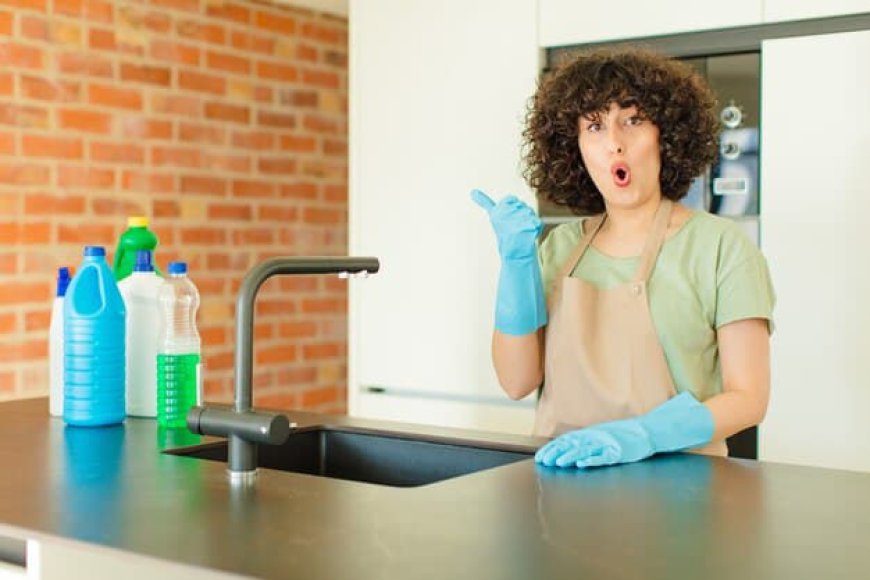
Surface cleaners have become an integral part of maintaining homes, offices, schools, hospitals, hotels, restaurants, transportation facilities, and industrial buildings. Available as liquids, sprays, wipes, foams, and concentrates, these products remove grease, dust, stains, food residues, and other contaminants. Changing hygiene habits, urban lifestyles, institutional cleaning requirements, and demand for convenient products are influencing their use across developed and emerging economies.
A recent study by MarkNtel Advisors highlights that the global surface cleaner industry was valued at USD 22.29 billion in 2025. It is projected to grow from USD 23.21 billion in 2026 to USD 29.59 billion by 2032, registering a CAGR of 4.13% during 2026–2032. Growth reflects regular household consumption, commercial cleaning requirements, wider retail access, and continuing product innovation.
Everyday Hygiene Supports Consistent Product Use
Households use surface cleaners across kitchens, bathrooms, floors, furniture, glass, appliances, and other frequently handled areas. Consumers increasingly prefer products that simplify cleaning without requiring complicated preparation. Ready-to-use sprays and wipes offer convenience for smaller tasks, while concentrated liquids are commonly selected for floors and larger spaces.
Multipurpose cleaners are also gaining relevance because one formulation can address several household applications. However, materials such as natural stone, wood, stainless steel, glass, ceramic tiles, and laminates may require different chemical properties. Clear instructions and surface-specific formulations therefore remain important for avoiding residue, discolouration, corrosion, or other damage.
Cleaning and Disinfection Require Different Approaches
Cleaning and disinfection are connected processes, but they do not perform identical functions. Cleaning removes dirt, organic matter, and many germs from a surface using soap, detergent, or another suitable cleaner. Disinfection involves applying an appropriate chemical product to further reduce harmful microorganisms after the surface has been cleaned.
The CDC’s cleaning and disinfecting guidance explains that regular cleaning with soap and water can remove most germs in many everyday situations. Disinfection becomes more relevant when someone is ill or when contamination risks are higher. Products must remain on surfaces for the specified contact time to perform correctly.
Commercial Facilities Need Structured Cleaning Systems
Hospitals, schools, hotels, offices, restaurants, airports, and public buildings require recurring cleaning schedules because large numbers of people use shared facilities. These organisations purchase products for floors, washrooms, kitchens, desks, furniture, equipment, and high-contact surfaces.
Commercial buyers generally evaluate concentration, drying speed, packaging size, cost per application, worker safety, and compatibility with professional equipment. The World Health Organization’s environmental cleaning resources emphasise the importance of defined procedures, suitable products, trained personnel, and correct application in healthcare settings.
Sustainability Changes Formulations and Packaging
Environmental concerns are encouraging manufacturers to examine biodegradable ingredients, concentrated products, refill systems, recyclable containers, and lower-emission formulations. Concentrates can reduce transportation and packaging requirements because users dilute them before application. Refill formats may also limit dependence on single-use plastic bottles.
Sustainability nevertheless extends beyond packaging. Manufacturers must consider ingredient sourcing, production energy, wastewater, product durability, and the amount required for effective cleaning. Products that need excessive application or repeated use may provide limited environmental benefits despite carrying environmentally focused positioning.
Ingredient Transparency Influences Purchasing Decisions
Consumers and institutional buyers are paying closer attention to fragrances, dyes, solvents, surfactants, preservatives, and hazard information. This is supporting demand for fragrance-free products, plant-derived ingredients, transparent labels, and formulations designed to reduce unnecessary chemical exposure.
The US Environmental Protection Agency’s Safer Choice Standard evaluates every ingredient within qualifying formulations against human-health and environmental criteria. Products must also satisfy relevant performance requirements, showing that safer ingredient selection must be balanced with effective cleaning.
Digital Retail Expands Global Product Discovery
Supermarkets, convenience stores, wholesalers, and specialist retailers remain important distribution channels. Online platforms are also making it easier to compare ingredients, certifications, formats, fragrances, package sizes, and customer reviews. E-commerce gives specialised brands access to consumers outside major urban retail networks while supporting subscription purchases and bulk ordering.
The changing role of surface cleaners reflects broader expectations for hygiene, convenience, safety, and environmental responsibility. Continued development will depend on formulations that combine dependable performance, responsible chemical use, suitable packaging, clear instructions, and compatibility with the diverse surfaces found across residential, commercial, and institutional environments.