Common Coastal Landscaping Problems and How Experts Fix Them
Coastal landscaping faces challenges like salt damage, sandy soil, strong winds, and erosion. Experts solve these using hardy plants, soil improvement, windbreaks, and efficient irrigation. Hiring a coastal landscaper ensures a durable, thriving outdoor space.
 forevergreenhcs
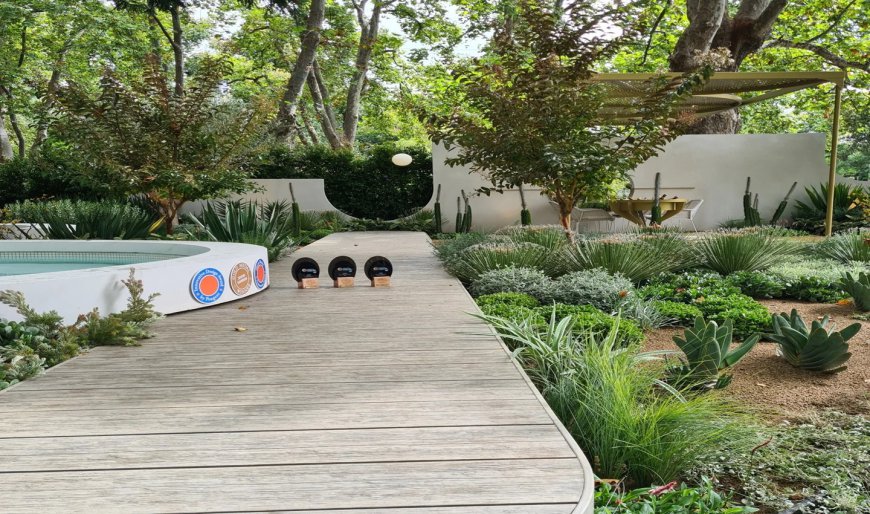
Living near the coast offers breathtaking views, fresh ocean air, and a relaxed lifestyle—but when it comes to landscaping, coastal environments can be surprisingly challenging. The combination of salty air, strong winds, sandy soil, and high humidity can wreak havoc on even the most well-planned outdoor spaces. Fortunately, professional landscapers understand these unique conditions and know exactly how to design and maintain landscapes that thrive by the sea.
1. Salt Damage to Plants
One of the biggest challenges in coastal landscaping is salt exposure. Salt spray from the ocean can settle on leaves, causing dehydration, browning, and even plant death. Additionally, salt in the soil can hinder a plant’s ability to absorb water.
Expert Solution:
Landscaping professionals combat this by selecting salt-tolerant plants such as ornamental grasses, succulents, and hardy shrubs. They also use strategic planting techniques—like placing more delicate plants behind windbreaks or structures—to minimize exposure. Regular rinsing of plants with fresh water can also help reduce salt buildup.
2. Sandy, Nutrient-Poor Soil
Coastal soils are often sandy, meaning they drain quickly and lack essential nutrients needed for plant growth. This can make it difficult for plants to establish strong root systems.
Expert Solution:
Experts improve soil quality by incorporating organic matter such as compost, mulch, and peat moss. These additions help retain moisture and provide nutrients. Raised garden beds are another popular solution, allowing landscapers to control soil composition more effectively.
3. Strong Coastal Winds
Persistent winds can damage plants, dry out soil, and even erode landscapes over time. Young plants are especially vulnerable, often struggling to establish themselves.
Expert Solution:
Professional landscapers design wind-resistant landscapes by installing windbreaks like fences, hedges, or strategically placed trees. They also choose low-growing, flexible plants that can withstand strong gusts without breaking.
4. Erosion and Drainage Issues
Coastal areas are more prone to erosion due to wind and water movement. Poor drainage can further complicate matters, leading to waterlogging or soil displacement.
Expert Solution:
To combat erosion, experts use ground covers, retaining walls, and erosion-control mats. Deep-rooted plants are often chosen to stabilize the soil naturally. For drainage, landscapers may install French drains or grade the land to direct water flow away from structures.
5. High Humidity and Plant Diseases
The moist coastal climate creates the perfect environment for fungal diseases, mold, and pests that can damage plants.
Expert Solution:
Professionals select disease-resistant plant varieties and ensure proper spacing to allow for good air circulation. Regular maintenance, including pruning and monitoring, helps prevent the spread of disease before it becomes a major issue.
6. Limited Freshwater Availability
In some coastal areas, freshwater can be scarce or expensive, making irrigation a challenge.
Expert Solution:
Efficient irrigation systems like drip irrigation are commonly used to conserve water. Landscapers also prioritize drought-tolerant plants that require minimal watering once established.
Creating a Resilient Coastal Landscape
Coastal landscaping isn’t just about making a yard look beautiful—it’s about creating a sustainable environment that can withstand harsh conditions. From plant selection to soil improvement and smart design, every decision matters.
If you’re struggling with these challenges or planning to transform your coastal outdoor space, working with a professional can save you time, money, and frustration. Hire a coastal landscaper who understands the local environment and can design a landscape that not only survives—but thrives—by the sea.