Common Mistakes Workers Make When Buying Safety Shoes in Dubai (And How to Avoid Them) – 2026 Guide
Learn the most common mistakes workers make when buying safety shoes in Dubai and how to avoid them. Discover expert tips on certification, comfort, durability, and workplace safety standards in 2026.
 ahmed786
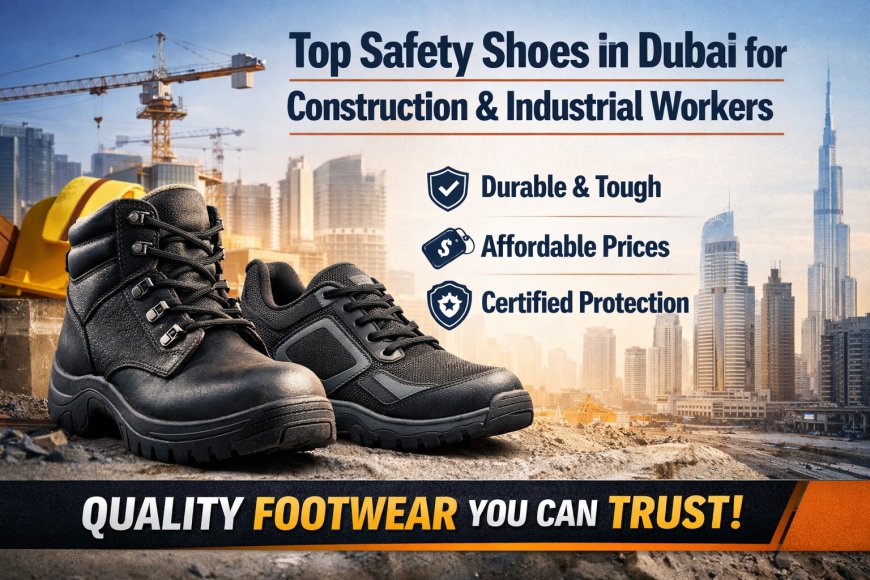
Choosing the right safety shoes is one of the most important decisions for workers in construction, logistics, manufacturing, and industrial environments across Dubai and the UAE. Unfortunately, many workers still make simple mistakes when purchasing safety footwear, which can lead to discomfort, reduced productivity, and serious workplace injuries.
In 2026, safety standards are stricter than ever, and understanding how to avoid common buying mistakes can protect workers and help companies stay compliant with workplace safety regulations.
This guide explains the most common mistakes workers make when buying safety shoes in Dubai, and how to avoid them.
Why Choosing the Right Safety Shoes Matters
Safety shoes are not just part of a uniform — they are critical protective equipment. Poor-quality or incorrect footwear can increase the risk of:
-
Foot injuries from falling objects
-
Slips and falls on wet surfaces
-
Puncture wounds from nails or sharp debris
-
Heat stress and discomfort
-
Long-term foot and back problems
That is why selecting certified and job-appropriate safety shoes is essential for workplace safety.
Mistake #1: Buying Safety Shoes Without Checking Certification
One of the most common mistakes is purchasing safety shoes that are not properly certified.
Workers sometimes choose cheaper, non-certified footwear that looks like safety shoes but does not meet safety standards.
How to Avoid It
Always check for:
-
EN ISO 20345 certification
-
S1, S2, or S3 safety rating
-
Manufacturer safety labels
-
Slip resistance marking
Certified shoes provide tested protection against impact, compression, and workplace hazards.
Mistake #2: Choosing Price Over Protection
Many workers focus only on price when buying safety shoes. While budget is important, extremely cheap footwear often lacks durability and protection.
Low-quality shoes may:
-
Wear out quickly
-
Lose grip on slippery surfaces
-
Provide poor toe protection
-
Cause foot pain during long shifts
How to Avoid It
Look for:
-
Certified protection standards
-
Durable materials
-
Reliable brand reputation
-
Comfort and long-term value
A slightly higher upfront cost can save money by lasting longer and preventing injuries.
Mistake #3: Ignoring the Work Environment
Not all safety shoes are suitable for every job.
For example:
-
Warehouse workers need slip-resistant shoes
-
Construction workers need puncture-resistant soles
-
Outdoor workers need heat-resistant footwear
-
Electricians need electrical hazard protection
How to Avoid It
Match the shoe type to the job environment.
Examples:
|
Work Environment |
Recommended Safety Shoe |
|
Construction sites |
S3 safety shoes |
|
Warehouses |
Slip-resistant shoes |
|
Outdoor summer work |
Heat-resistant shoes |
|
Industrial factories |
Oil-resistant shoes |
Mistake #4: Buying the Wrong Size or Fit
Ill-fitting safety shoes can cause serious problems, including:
-
Blisters and foot pain
-
Reduced mobility
-
Increased fatigue
-
Lower productivity
Shoes that are too tight restrict movement, while loose shoes increase the risk of slipping.
How to Avoid It
-
Try shoes at the end of the day when feet are slightly swollen
-
Wear work socks when testing
-
Ensure proper toe space
-
Check arch and heel support
Comfort is just as important as protection.
Mistake #5: Ignoring Climate Conditions in the UAE
Dubai’s extreme heat makes climate-specific footwear essential.
Many workers buy heavy, non-breathable shoes that trap heat and cause discomfort during long shifts.
How to Avoid It
Choose safety shoes with:
-
Breathable materials
-
Moisture-wicking lining
-
Lightweight design
-
Heat-resistant soles
These features improve comfort and reduce fatigue in hot weather.
Mistake #6: Not Replacing Worn-Out Safety Shoes
Safety shoes do not last forever. Over time, soles wear down, cushioning weakens, and protection decreases.
Continuing to use damaged footwear increases accident risk.
Signs It’s Time to Replace Safety Shoes
-
Worn-out sole grip
-
Cracked or damaged upper material
-
Reduced comfort or cushioning
-
Visible toe cap damage
-
Water leakage inside the shoe
Most safety shoes should be replaced every 6–12 months, depending on usage.
Mistake #7: Buying Safety Shoes from Unreliable Sources
Purchasing from unknown sellers or unverified suppliers can result in counterfeit or low-quality products.
This is especially risky in industrial environments where safety compliance is mandatory.
How to Avoid It
Buy from trusted suppliers that provide:
-
Certified safety footwear
-
Warranty or quality assurance
-
Clear product specifications
-
Professional safety equipment support
For reliable and certified workplace footwear, many businesses and workers choose trusted PPE providers like Sam’s Solutions, which offers protective gear designed for demanding industrial environments.
You can explore available safety solutions here:
https://sams-solutions.com/
Conclusion
Buying safety shoes is not just about comfort or price — it is about protection, compliance, and long-term performance. Avoiding common mistakes such as ignoring certification, choosing the wrong type, or delaying replacement can significantly reduce workplace risks.
In 2026, selecting the right safety footwear is one of the simplest and most effective ways to improve workplace safety in Dubai and across the UAE.
FAQs
What is the biggest mistake when buying safety shoes?
Buying non-certified or low-quality safety shoes is the most common and dangerous mistake.
How often should safety shoes be replaced?
Typically every 6 to 12 months, depending on usage and work conditions.
Are expensive safety shoes always better?
Not always, but certified, durable shoes usually provide better protection and longer lifespan.
Can wrong safety shoes cause injuries?
Yes. Poor fit, low grip, or weak protection can increase the risk of workplace accidents.