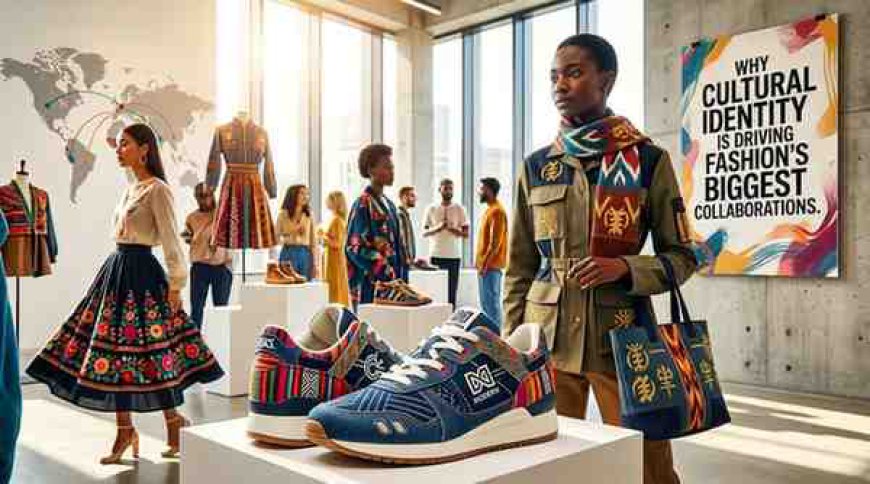
Why Cultural Identity Is Driving Fashion’s Biggest Collaborations
Learn why cultural identity is shaping fashion's biggest collaborations and influencing consumer trends across sports, heritage, and lifestyle brands.
 kevintrops
Fashion has always reflected people, communities, and shared experiences. Today, one factor stands above almost everything else: cultural identity. Consumers no longer buy clothing simply because it looks good. They want pieces that connect to their heritage, values, passions, and personal stories. That's exactly why cultural identity has become one of the strongest forces shaping modern fashion partnerships.
From sports clubs and music icons to national celebrations and community movements, brands are building collections that speak directly to culture. These collaborations aren't random. They tap into memories, traditions, and social connections that matter deeply to consumers. As a result, cultural identity is helping brands create stronger emotional bonds while reaching audiences in more meaningful ways.
For business owners, founders, and fashion enthusiasts, understanding how cultural identity influences buying decisions provides valuable insight into where fashion is heading next. The biggest collaborations today succeed because they represent something larger than clothing.
Why Cultural Identity Matters More Than Ever
Cultural identity shapes how people see themselves and how they connect with others. In fashion, that connection creates loyalty that goes beyond trends.
Consumers want brands that recognize their backgrounds, traditions, communities, and experiences. When a collaboration reflects cultural identity authentically, it feels personal. That's why many successful collections sell out quickly and generate strong conversations online.
Social media has also amplified the importance of cultural identity. People proudly share their heritage, interests, and communities. Fashion brands have noticed this behavior and increasingly create products that celebrate those identities.
How Cultural Identity Creates Stronger Brand Connections
One reason cultural identity drives major collaborations is emotional connection. People may forget an advertisement, but they rarely forget a product that represents who they are.
Fashion collaborations built around cultural identity often tell stories. These stories can be connected to sports, music, art, heritage, national celebrations, or community pride.
When consumers see their own experiences reflected in a product, they feel understood. That emotional response often leads to stronger engagement, repeat purchases, and long-term brand loyalty.
Storytelling Creates Lasting Impact
Every successful collaboration has a story behind it. Cultural identity provides the foundation for those stories.
Instead of promoting clothing as just another item, brands create meaning around it. They highlight traditions, celebrate achievements, and recognize communities. This approach makes fashion feel more personal and memorable.
The Role of Heritage in Modern Fashion Collaborations
Heritage has become a major source of inspiration for fashion brands. Many collaborations now focus on honoring traditions while presenting them in modern ways.
A great example is the adidas jacket chinese, which reflects how global brands increasingly embrace cultural identity through designs inspired by important celebrations and traditions. Collections like these create stronger cultural relevance while appealing to both local and international audiences.
Heritage-based collaborations help preserve cultural identity while introducing traditions to new generations. This balance between past and present often creates strong consumer interest.
Sports and Cultural Identity Go Hand in Hand
Sports have always represented more than competition. Teams often symbolize cities, regions, nations, and communities. Because of this, cultural identity naturally plays a major role in sports fashion.
Supporters don't simply wear team apparel. They wear symbols of belonging. That emotional connection explains why sports collaborations continue attracting attention worldwide.
The arsenal football jacket reflects how club loyalty and cultural identity intersect. For many supporters, wearing team-inspired fashion represents pride, tradition, and connection to a larger community.
As sports organizations expand globally, cultural identity continues influencing how merchandise and collaborative collections are designed.
How Cultural Identity Influences Consumer Purchasing Decisions
Modern consumers are becoming more selective about what they buy. Many want products that align with their beliefs, experiences, and sense of self.
Cultural identity often influences purchasing decisions because people naturally seek products that represent their backgrounds and values. When brands successfully connect with cultural identity, consumers feel a stronger reason to support them.
This shift explains why many fashion collaborations now focus heavily on authenticity rather than simply following trends.
Authenticity Builds Trust
Consumers can quickly recognize when brands genuinely respect cultural identity and when they are simply chasing attention.
Authentic collaborations involve research, community participation, and thoughtful storytelling. These efforts help brands earn trust and credibility.
Without authenticity, collaborations often struggle to gain meaningful support.
Cultural Identity and Social Movements in Fashion
Fashion has become an important platform for expressing social values and community pride. Many collaborations now celebrate cultural identity while highlighting important causes and historical narratives.
The black american heritage flag jacket demonstrates how apparel can represent cultural identity while honoring history, community contributions, and shared experiences.
Consumers increasingly support products that carry meaningful messages. As a result, fashion collaborations connected to cultural identity often create conversations that extend beyond clothing itself.
Music, Art, and Cultural Identity Are Shaping Fashion
Music and art continue influencing fashion at every level. Artists often serve as cultural ambassadors who introduce new styles and ideas to global audiences.
When fashion brands partner with musicians or artists, cultural identity frequently becomes the centerpiece of the collaboration. These partnerships allow brands to connect with audiences through creativity, expression, and community.
The growing crossover between sports, music, and fashion highlights how cultural identity now drives many of the industry's most talked-about releases.
The fc barcelona cactus jack jersey reflects this blend of sports culture, music influence, and cultural identity. Collaborations like this bring together multiple communities under a shared narrative.
Why Younger Generations Prioritize Cultural Identity
Younger consumers place a high value on self-expression. They want products that help communicate who they are and what they stand for.
Cultural identity provides that opportunity. Whether connected to heritage, sports fandom, creative interests, or community involvement, fashion helps people express belonging.
This behavior has encouraged brands to create collaborations that feel personal rather than purely commercial. The result is stronger engagement and deeper consumer relationships.
Many younger shoppers are also willing to research the stories behind products before making purchases. This trend makes cultural identity even more important in fashion marketing.
The Business Impact of Cultural Identity Collaborations
From a business perspective, cultural identity offers significant value. Collaborations built around cultural identity often generate stronger customer engagement, increased media attention, and greater social sharing.
Brands that successfully incorporate cultural identity into their collections frequently see benefits such as:
Higher Customer Loyalty
Consumers tend to support brands that reflect their values and experiences.
Stronger Community Engagement
Cultural identity encourages conversations and participation across multiple audiences.
Better Brand Differentiation
Authentic collaborations help brands stand out in crowded markets.
Increased Organic Visibility
Consumers naturally share products connected to cultural identity because they feel personally relevant.
The Future of Cultural Identity in Fashion
Cultural identity will likely become even more important in the coming years. As global audiences become increasingly connected, consumers continue seeking products that reflect individuality and community at the same time.
Future collaborations will likely focus on deeper storytelling, stronger community involvement, and more meaningful cultural representation. Brands that understand cultural identity will be better positioned to build trust and long-term relationships.
Fashion is no longer just about appearance. Cultural identity has become one of the main drivers behind consumer behavior, brand loyalty, and collaboration success.
The biggest fashion partnerships of tomorrow will likely be those that understand people first and products second.
Frequently Asked Questions
Why is cultural identity important in fashion collaborations?
Cultural identity is important because it creates emotional connections between consumers and brands. People are more likely to support products that reflect their heritage, values, communities, and personal experiences, making collaborations more meaningful and memorable.
Brands that respect cultural identity often build stronger loyalty and engagement.
How does cultural identity influence buying behavior?
Cultural identity influences buying behavior by helping consumers choose products that align with who they are. People often purchase clothing that represents their background, interests, beliefs, or community connections.
This emotional factor can be just as important as design or price.
Why are sports collaborations connected to cultural identity?
Sports collaborations connect strongly to cultural identity because teams often represent communities, cities, and traditions. Supporters wear team apparel as a symbol of belonging and shared experiences.
That connection creates powerful demand for sports-inspired fashion.
Will cultural identity continue shaping fashion trends?
Yes. Cultural identity is expected to remain a major influence on fashion because consumers increasingly seek authenticity, representation, and meaningful brand experiences.
Brands that understand cultural identity will likely remain highly relevant in the market.
Why Jackets Junction Understands Cultural Identity in Fashion
At Jackets Junction, fashion is about more than style alone. The strongest pieces often carry stories, traditions, community pride, and personal meaning. By staying connected to sports culture, heritage-inspired designs, entertainment trends, and cultural movements, Jackets Junction continues offering apparel that resonates with today's consumers while celebrating the cultural identity that shapes modern fashion.
Get Inspired With Jackets Junction
If you're looking for fashion that reflects culture, community, sports passion, and personal expression, explore the latest collections at Jackets Junction. Find styles that connect with your story and wear something that represents more than fashion. Wear something that represents identity.