Denmark’s cooling appliance demand is shifting toward efficient room-level systems
The Denmark Room Air Conditioners Market is growing steadily due to rising temperatures, increasing demand for energy-efficient cooling, and widespread adoption of inverter and split air conditioning systems. Residential households, small commercial spaces, and smart cooling technologies continue to drive market expansion.
 adamwilliamson
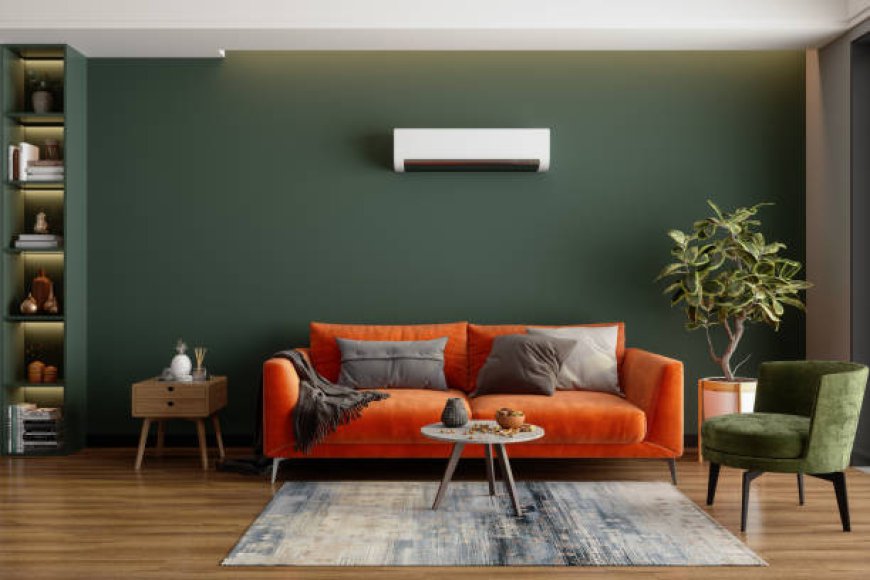
Room air conditioners are gaining stronger relevance in Denmark as households and small commercial spaces respond to warmer seasonal conditions, higher comfort expectations, and greater interest in targeted cooling. These products are designed for room-specific temperature control rather than full-building cooling, making them practical for apartments, individual homes, vacation properties, offices, retail stores, hospitality spaces, and compact commercial facilities.
The Denmark Room Air Conditioners Market size was valued at USD 73 Million in 2025 and is estimated at USD 77 million in 2026. The market size is expected to grow to USD 106 million by 2032, registering a CAGR of 5.47% during 2026-32. This Denmark Room Air Conditioners Market growth reflects warmer weather patterns, a stable household base, and rising preference for energy-conscious cooling formats.
Room-level cooling is becoming more relevant in Denmark
Room air conditioners serve a specific demand need in Denmark because they provide cooling for selected spaces without requiring whole-building climate system upgrades. This is important in homes and small commercial locations where cooling demand may be seasonal, localized, or linked to short warmer periods. Consumers often evaluate these products through comfort, installation practicality, running cost, and energy performance.
The Danish Meteorological Institute reported that Denmark’s 2024 average temperature reached 9.8°C, which was 1.1°C above the 1991-2020 climate normal, while frost days fell to 37.3 from the normal 67.7 days. This warmer pattern supports the case for flexible cooling appliances, especially in households that previously depended mainly on natural ventilation.
Split air conditioners lead product demand
Split air conditioners hold 60% share by product type, making them the leading segment. Their leadership reflects stronger preference for fixed cooling formats that deliver stable operation, better room coverage, and quieter indoor performance compared with many temporary or less permanent alternatives. Split units are especially relevant where buyers want recurring seasonal comfort from a dedicated room-cooling system.
This segment also supports the Denmark Room Air Conditioners Market forecast because split systems align with demand for more controlled cooling in residential and commercial spaces. While window air conditioners and other formats remain part of the product landscape, split air conditioners are better positioned for buyers seeking durable, efficient, and room-specific cooling installations.
Inverter technology dominates due to energy awareness
Inverter technology holds 80% share by technology, making it the dominant category in the market. Inverter air conditioners adjust compressor speed based on cooling load, which supports steadier room temperature and improved electricity control. This technology is important in Denmark because buyers remain sensitive to operating cost, especially where cooling is viewed as a comfort upgrade rather than a year-round necessity.
Statistics Denmark reported household electricity prices for normal consumption at 2.5 DKK per kWh in the second half of 2025. This cost environment reinforces demand for efficient cooling technologies. The Denmark Room Air Conditioners Market trends therefore remain closely tied to energy efficiency, inverter adoption, and lower operating-cost expectations across residential and small commercial users.
Housing base supports residential adoption
Denmark’s broad housing base creates a practical foundation for room air conditioner demand. The report identifies 2,878,144 households in 2026 and 2,852,000 occupied dwellings in 2025. A large installed housing base supports replacement, first-time installation, and seasonal appliance adoption, particularly where households want cooling in bedrooms, living rooms, home offices, and vacation homes.
This demand is not purely climate-driven. Housing type, room layout, renovation behavior, and occupant comfort expectations also influence product adoption. Apartments and individual households may prefer compact cooling solutions that avoid large-scale HVAC modification. This keeps residential use central to Denmark Room Air Conditioners Market growth over the forecast period.
Construction activity opens new installation scope
New construction and renovation activity create additional opportunities for room air conditioner placement. The report states that Denmark had 530,132 m² of floor area under construction in December 2025, along with 1,257 dwellings under construction. This matters because cooling products are often considered during move-in, renovation, furnishing, and early equipment selection stages.
For suppliers and retailers, the opportunity lies in positioning room air conditioners as practical comfort appliances for new or upgraded living spaces. New dwellings can support demand for split systems, portable units, and connected cooling products where buyers consider indoor comfort, energy use, space constraints, and installation convenience during setup.
Efficiency standards shape product development
EU product rules also influence market direction. The European Commission states that ecodesign requirements for minimum energy performance, maximum sound levels, and product information apply to air conditioners and comfort fans sold in the EU. These requirements apply to air conditioners with rated cooling capacity smaller than or equal to 12 kW.
This regulatory context supports more disciplined product development in Denmark. Manufacturers and brands must align room cooling products with energy performance, noise, labeling, and technical disclosure expectations. As a result, the Denmark Room Air Conditioners Market trends are likely to remain linked to inverter systems, better seasonal performance, lower-noise designs, smart controls, and refrigerant transition.
Smart and portable formats strengthen user flexibility
Smart and connected air conditioners are becoming more relevant as consumers seek app control, scheduling, and remote temperature management. These features fit Denmark’s digitally mature household environment, where connected appliances are increasingly familiar. Smart functions are particularly useful for vacation homes, apartments, and offices that require cooling control before occupancy.
Portable air conditioners also retain practical relevance because they offer flexible placement and lower installation complexity. Brands such as Electrolux and Eeese Air Care ApS maintain Denmark-facing room cooling portfolios, indicating continued product availability across portable and residential-use formats. This supports buyer access across online retail, multi-brand appliance stores, and local distribution networks.
Competitive landscape remains concentrated
More than 5 companies are actively engaged in producing room air conditioners in Denmark, while the top 5 companies acquired around 70% of the market share. The companies covered include Electrolux AB, BSH Hausgerate GmbH, Whirlpool Corp, WC Wood Co Ltd, Panasonic Corp, Eeese Air Care ApS, and Wilfa AS.
Competition is shaped by brand trust, product availability, energy efficiency, cooling capacity, pricing, noise levels, smart features, after-sales support, and retail coverage. In a relatively compact country market, established appliance brands and local indoor-climate specialists can benefit from distribution strength and seasonal demand visibility. Product positioning around inverter technology and efficient cooling remains especially important.
Conclusion
The Denmark Room Air Conditioners Market is moving toward more efficient, targeted, and technology-enabled cooling solutions. Split air conditioners lead product demand, inverter technology dominates adoption, and household electricity costs keep efficiency central to purchase decisions. Based on Vyansa Intelligence data, the market outlook reflects a steady shift from occasional cooling purchases toward more deliberate room-level comfort planning across residential and small commercial spaces.