Does Masturbation Cause ED? The Scientific Truth
 hazelcassel03
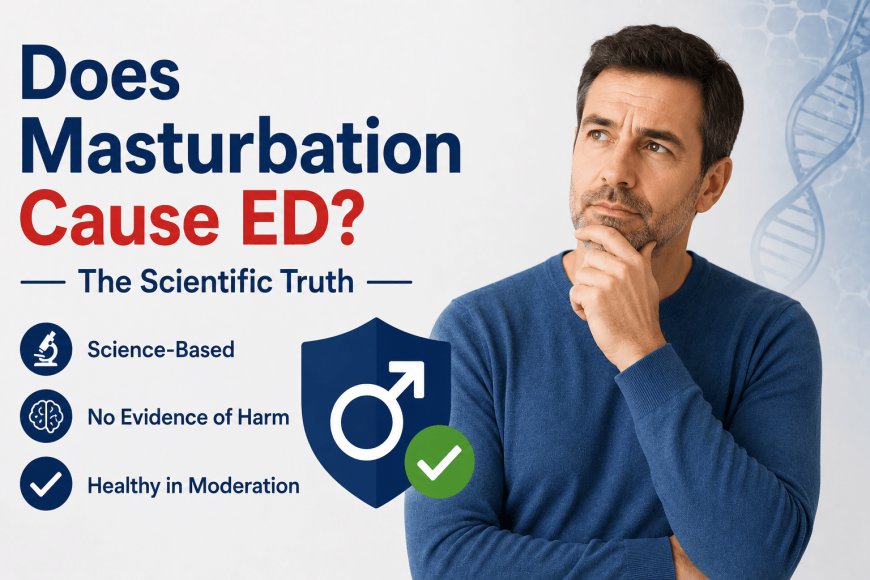
Few questions in men's health generate as much anxiety and confusion as this one: does masturbation cause erectile dysfunction? The idea has been passed around for generations, fueled by locker room talk, online forums, and a general reluctance to discuss the topic openly. When it comes to sorting through men's health myths & facts, this is one of the most common concerns that men are too embarrassed to raise with a doctor.
The short answer, according to current medical evidence, is no. Masturbation does not cause erectile dysfunction (ED). But like most topics in men's health myths & facts, the full picture is more nuanced, and understanding it can relieve a great deal of unnecessary worry. Let us look at what the science actually says.
What the Research Says About Masturbation and ED
Masturbation is a normal, common, and generally healthy part of human sexuality across the lifespan. Decades of research have found no physiological link between masturbation and erectile dysfunction. It does not "use up" a finite supply of erections, damage the nerves, weaken the penis, or deplete testosterone in any lasting way.
In fact, regular ejaculation has been associated with certain health benefits in various studies, including potential prostate health advantages and stress relief. The muscles and blood vessels involved in an erection are not worn out by ordinary sexual activity, whether solo or with a partner.
So where does the myth come from? Much of it stems from cultural taboos and a basic misunderstanding of how erections work. Understanding these men's health myths & facts starts with understanding the biology.
How Erections Actually Work
An erection is fundamentally a matter of blood flow. Sexual arousal triggers the nervous system to relax the blood vessels in the penis, allowing blood to fill the spongy tissue and produce firmness. Anything that interferes with blood flow, nerve signals, or hormone levels can affect this process.
This is why the true causes of ED are usually physical or psychological, not behavioral habits like masturbation. When men understand that erectile function depends on cardiovascular and neurological health, the fear that a normal activity could "break" the system tends to fade.
The Real Causes of Erectile Dysfunction
If masturbation is not the culprit, what actually leads to ED? The evidence points to a range of physical and mental health factors, including:
Cardiovascular conditions such as high blood pressure, high cholesterol, and atherosclerosis, all of which reduce healthy blood flow.
Diabetes, which over time can damage the nerves and blood vessels essential to erections.
Low testosterone and other hormonal imbalances.
Obesity, physical inactivity, smoking, and excessive alcohol use.
Psychological factors including stress, anxiety, depression, and performance pressure.
Certain medications, including some antidepressants and blood pressure drugs.
Notice that a personal habit like masturbation appears nowhere on this list. This distinction is one of the most reassuring men's health myths & facts to grasp, because it redirects attention toward the issues that genuinely matter for sexual health.
What About the Refractory Period?
After ejaculation, men experience what is called a refractory period, a natural recovery window during which achieving another erection is difficult or impossible. This is completely normal and varies from person to person and with age. Younger men may recover in minutes, while older men may need hours.
Some men mistake this temporary and expected pause for erectile dysfunction. It is not. The refractory period is a healthy part of the sexual response cycle, not a sign of dysfunction or damage.
The Porn-Induced ED Debate
A related and frequently searched question is whether frequent masturbation to pornography can cause ED. This is a more complex and still-debated area of research. Some clinicians and studies suggest that heavy pornography use in certain individuals may contribute to unrealistic expectations, reduced arousal with a real partner, or a psychological form of performance difficulty.
However, this is understood to be a potential psychological and behavioral pattern rather than physical damage caused by masturbation itself. For many men, moderating pornography use and addressing underlying anxiety can help. As always, these men's health myths & facts benefit from a professional evaluation rather than self-diagnosis based on online claims.
When to See a Doctor
Occasional difficulty achieving or maintaining an erection is extremely common and rarely a cause for concern. It can happen due to fatigue, stress, alcohol, or simply an off day. Persistent problems, however, deserve attention.
You should consider speaking with a healthcare provider if:
Difficulty with erections occurs regularly over several weeks or months.
The problem is causing distress or straining your relationship.
You have risk factors such as diabetes, heart disease, or high blood pressure.
You notice other symptoms such as reduced libido or fatigue.
Because ED can be an early warning sign of cardiovascular disease, it is worth taking seriously. A confidential conversation with your doctor or pharmacist can identify the real cause and guide you toward safe, effective treatment.
Separating Anxiety From Fact
Perhaps the most important point in this discussion is that fear and misinformation can themselves contribute to sexual difficulties. When a man believes a harmless activity has damaged him, the resulting anxiety can create genuine performance problems. In this way, believing a myth can become a self-fulfilling worry.
This is exactly why understanding accurate men's health myths & facts is so valuable. Replacing shame and speculation with evidence gives men the confidence to seek help when they need it and to stop worrying about things that pose no real risk.
The Bottom Line
Masturbation does not cause erectile dysfunction. It does not damage the penis, deplete a man's capacity for erections, or lead to long-term sexual problems. The genuine causes of ED are almost always related to physical health, mental health, or a combination of both. For men who are diagnosed with erectile dysfunction, a healthcare professional may recommend treatments such as Cenforce 50 mg or Cenforce 100 mg (sildenafil tablets), depending on their individual medical needs.
If you are experiencing persistent symptoms, the best step is not to blame a normal habit but to consult a qualified professional who can look at the full picture. Our pharmacy team is here to answer your questions confidentially and help you understand your options with clear, evidence based guidance.