ERP Software in Pakistan: Features, Benefits, and Business Use Cases
Discover ERP software in Pakistan, its key features, benefits, and real business use cases. Learn how ERP systems help companies grow efficiently.
 koroc6
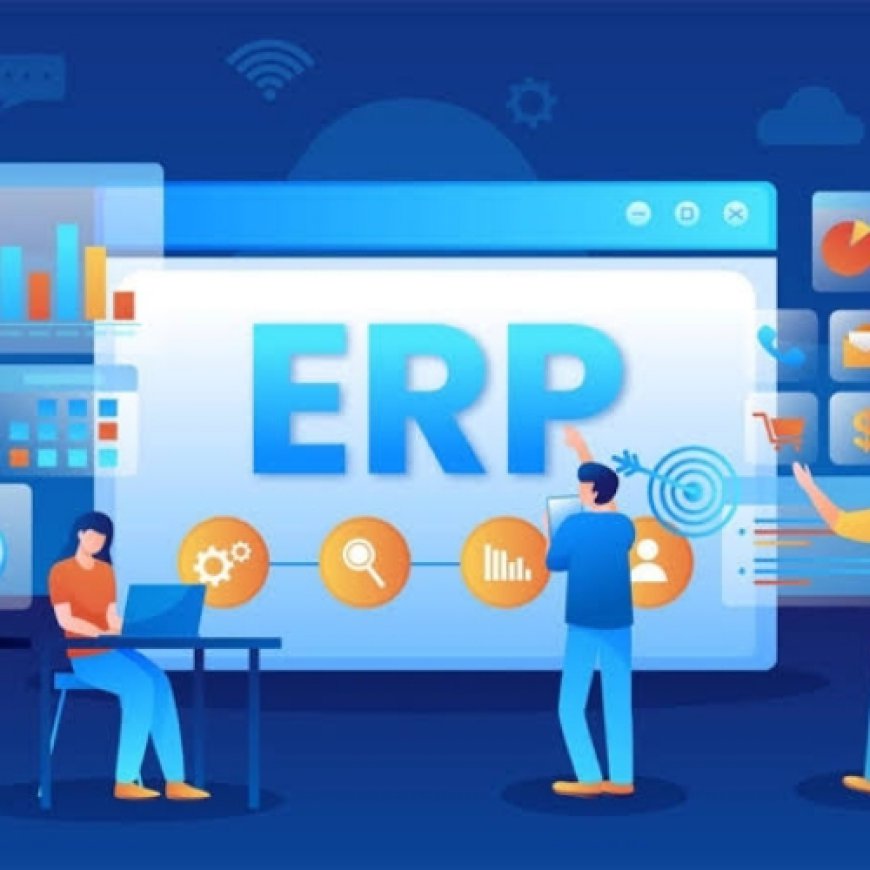
In Pakistan’s rapidly evolving business environment, companies are increasingly turning to digital solutions to improve efficiency, reduce operational costs, and gain better control over their processes. One such powerful solution is Enterprise Resource Planning (ERP) software. By integrating core business operations into a single unified system, ERP software enables organizations to streamline workflows, improve collaboration, and make informed decisions. This guide explores the key features, major benefits, and real-world business use cases of ERP software in Pakistan.
Understanding ERP Software
ERP software is a centralized platform designed to manage and automate essential business functions such as finance, human resources, inventory, procurement, manufacturing, sales, and customer relationship management. Instead of maintaining separate systems for each department, ERP software combines all operations into a single database. This ensures seamless data flow, eliminates duplication, and enhances transparency across the organization.
In Pakistan, businesses of all sizes from startups and SMEs to large enterprises are adopting ERP solutions to cope with increasing competition, regulatory requirements, and growing customer expectations. ERP systems not only simplify operations but also provide actionable insights that drive strategic growth.
Key Features of ERP Software
Centralized Data Management
One of the most important features of ERP software is centralized data storage. All departments access a single source of truth, ensuring data consistency and accuracy. This reduces errors, enhances reporting quality, and supports better decision-making.
Financial Management
ERP systems provide advanced accounting and financial management tools. These include general ledger, accounts payable and receivable, budgeting, expense tracking, tax compliance, and financial reporting. Automated financial workflows ensure accuracy and regulatory compliance.
Human Resource Management
ERP software streamlines HR functions such as payroll processing, attendance tracking, recruitment, employee performance management, and benefits administration. This helps organizations manage their workforce more effectively and maintain accurate employee records.
Inventory and Supply Chain Management
Inventory tracking, procurement automation, supplier management, and logistics planning are core features of ERP software. These tools help businesses avoid stock shortages, minimize overstocking, and optimize supply chain efficiency.
Sales and Customer Relationship Management (CRM)
ERP platforms integrate CRM modules that manage leads, customer interactions, sales pipelines, and post-sales support. This enhances customer satisfaction, improves sales forecasting, and strengthens long-term client relationships.
Manufacturing and Production Planning
For manufacturing businesses, ERP software supports production scheduling, quality control, resource allocation, and demand forecasting. This ensures optimal use of materials, labor, and equipment.
Real-Time Reporting and Analytics
ERP software provides dashboards and analytical tools that deliver real-time insights into business performance. These analytics help managers monitor KPIs, identify trends, and respond proactively to operational challenges.
Major Benefits of ERP Software for Pakistani Businesses
Increased Operational Efficiency
By automating repetitive processes, ERP software reduces manual effort, speeds up workflows, and minimizes errors. This leads to higher productivity and improved service delivery.
Improved Decision-Making
With access to accurate, real-time data, management can make well-informed strategic decisions. ERP reporting tools help identify inefficiencies, optimize resource usage, and support long-term planning.
Cost Reduction
ERP systems help businesses control expenses by improving inventory management, reducing waste, preventing duplicate data entry, and enhancing procurement efficiency.
Better Regulatory Compliance
In Pakistan, compliance with tax regulations, labor laws, and financial reporting standards is critical. ERP software simplifies compliance by maintaining accurate records and generating audit-ready reports.
Enhanced Collaboration
ERP platforms break down departmental silos by enabling data sharing across teams. This improves communication, teamwork, and overall organizational alignment.
Scalability and Business Growth
ERP solutions are designed to scale with business growth. As companies expand, ERP systems can easily accommodate new users, processes, and locations without disrupting operations.
Business Use Cases of ERP Software in Pakistan
Manufacturing Industry
Manufacturers use ERP systems to manage production planning, raw material procurement, quality control, and supply chain operations. This results in reduced production costs, improved quality standards, and timely order fulfillment.
Retail and E-Commerce
Retailers rely on ERP software to track inventory, manage sales, handle customer orders, and analyze buying patterns. ERP systems help optimize stock levels, enhance customer service, and improve demand forecasting.
Education Sector
Educational institutions in Pakistan use ERP software to manage student records, fee collection, admissions, academic scheduling, and HR processes. This improves administrative efficiency and ensures accurate data management.
Healthcare Organizations
Hospitals and clinics use ERP systems to manage patient records, billing, inventory, staff scheduling, and procurement. This enhances patient care, reduces operational inefficiencies, and ensures regulatory compliance.
Logistics and Distribution
ERP software helps logistics companies manage shipments, fleet operations, warehousing, and invoicing. Real-time tracking and automated workflows improve delivery performance and customer satisfaction.
Professional Services
Consulting firms, law offices, and IT service providers use ERP platforms to manage projects, billing, payroll, and client communications. This improves project transparency, financial control, and service quality.
ERP Implementation in Pakistan
Implementing ERP software requires strategic planning, stakeholder involvement, and professional support. The process typically involves business requirement analysis, software selection, customization, data migration, employee training, testing, and deployment. A well-planned implementation ensures smooth adoption and long-term success.
Working with experienced ERP solution providers like TrueAccounts enables organizations to benefit from expert guidance, system customization, technical support, and continuous optimization. Proper training and change management also play a crucial role in ensuring successful ERP adoption.
Challenges and Solutions
Some common ERP implementation challenges include resistance to change, budget constraints, and data integration complexities. These challenges can be mitigated through effective communication, realistic budgeting, phased deployment, and ongoing employee training.
Conclusion
ERP software has become an essential tool for organizations across Pakistan, offering powerful features, measurable benefits, and practical business applications. By integrating key operations into a unified platform, businesses can improve efficiency, enhance decision-making, and achieve sustainable growth. With professional support from providers like TrueAccounts, companies can successfully adopt and maximize the value of ERP systems. In today’s competitive landscape, investing in ERP software Pakistan is a strategic step toward operational excellence, digital transformation, and long-term business success.