Essential Steps for Planning a Successful Construction Project
 metaminds
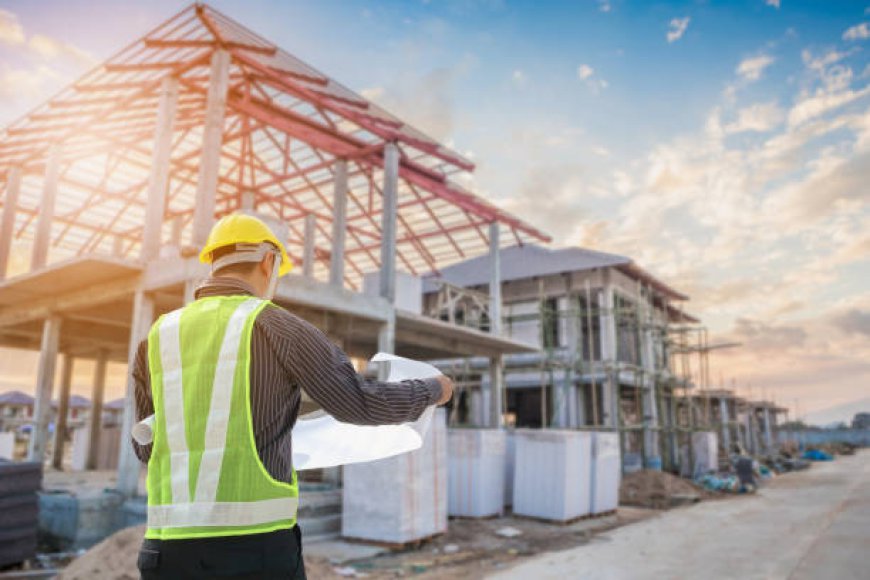
Starting a construction project sounds great… right up until it isn’t. On paper it’s all clean lines and timelines. In real life, things get messy fast. Costs shift, plans change, people disappear for a week and don’t answer calls. It happens. Around Santa Rosa construction, you see this pattern a lot, especially when folks rush the planning part or assume things will “just work out.” They usually don’t. A little grit in the planning stage saves a lot of pain later.
Start With a Clear Scope (And Yeah, Write It Down)
You’d be surprised how many projects begin with a loose idea and a couple of Pinterest screenshots. That’s not a plan. That’s a wish. You need something more concrete. What exactly are you building? Size, layout, materials—at least rough versions of those. Doesn’t have to be perfect, but it has to exist. Otherwise every contractor you talk to will picture something different, and your quotes will reflect that chaos. And look, if your budget is tight, don’t design something that clearly isn’t. That disconnect causes problems early.
Budget Like You’ve Done This Before (Even If You Haven’t)
People almost always underestimate. It’s not even their fault, construction just hides costs well. Small upgrades stack up. Permits cost more than expected. Materials randomly jump in price. So give yourself breathing room. Not a tiny cushion, a real one. Fifteen percent, twenty, somewhere in there. And check your numbers often. Not obsessively, but enough to catch issues early. Waiting until the end to “review costs” is… not a strategy.
Permits and Local Rules — Handle Them Early
This part is boring, no way around it. But skipping it or delaying it? That’s worse. Every area has its own rules, and some are stricter than you’d think. Zoning, inspections, approvals—it all takes time. Sometimes more than the actual build phase, which feels ridiculous but it is what it is. Get ahead of it. Call the local office, ask questions, even the dumb ones. Better to feel slightly annoying now than completely stuck later.
Pick People You Trust, Not Just the Lowest Price
Going cheap sounds smart until you’re halfway through and things start slipping. Missed deadlines, sloppy work, poor communication. Then you’re stuck fixing it, which costs more anyway. A good contractor doesn’t just build, they guide. They tell you when something’s off. They push back when needed. That’s valuable. You don’t need the fanciest team in town, but you do need people who actually care about the job… and show up.
Expect a Few Headaches (Because You’ll Get Them)
Here’s the part nobody really tells you upfront. Even with a solid plan, something will go sideways. Maybe a shipment gets delayed, maybe a worker calls in sick for a week, maybe you change your mind halfway through (that one happens a lot). It doesn’t mean the project is failing. It just means… it’s a construction project. The trick is not to panic every time something shifts. Adjust, move on, keep things rolling. If you expect a perfectly smooth ride, you’re setting yourself up for frustration.
Timelines Are Never Perfect, So Stop Expecting That
If someone promises a flawless schedule, be careful. Construction doesn’t work like that. Weather delays, supply issues, random stuff no one saw coming—it all plays a role. So build a timeline that makes sense, but leave space in it. A little slack. Enough so one delay doesn’t wreck the whole plan. And keep communication steady. Quick check-ins help more than long meetings no one wants to attend.
Materials — Don’t Assume They’ll Be There
This one catches people off guard. You think you can just order things when you need them. Sometimes you can. Sometimes you really can’t. Custom items, certain finishes, even basic stuff during busy seasons—it can all take longer than expected. Weeks, sometimes more. So plan ahead. Order early when possible. It’s not exciting work, but it keeps the project moving instead of sitting still while everyone waits.
Think Past the Finish Line
A lot of folks focus on getting the job done. That’s it. Done equals success. But what happens after? Does it hold up? Is it easy to maintain? Does it actually fit your daily life? These things matter more than people think. Especially with home remodeling, where quick decisions can lead to long-term annoyance. That cabinet you rushed? You’ll use it every day. So yeah, think a bit further ahead, even if it slows you down now.
Stay Involved, Just Don’t Hover All Day
You don’t need to babysit the project, but disappearing completely isn’t great either. Stay in the loop. Ask questions when something feels off. Walk the site once in a while. Small issues are easier to fix early, before they turn into expensive problems. At the same time, give your contractor room to work. If you’re constantly stepping in, it slows everything down and frustrates people. There’s a balance there… not always easy, but worth finding.
Conclusion
At the end of the day, construction isn’t clean or predictable, no matter how much people try to make it look that way. Things will shift. Plans will change a bit. Maybe more than a bit. But if your foundation—planning, budgeting, the team you pick—is solid, those bumps stay manageable. That’s really the goal. Not perfection. Just a project that gets done without turning into a headache you regret later.