Everything You Need to Know About Picking the Best Gym Flooring
I’m talking about gym flooring. It is the unsung hero of every fitness journey. If you ignore what’s under your feet, you’re basically building a house on sand—or in this case, building a heavy-lifting zone on fragile ceramic tiles that are just waiting to crack.
 rubberfitfloors
Let’s be honest for a second. When you’re planning out a home workout space or a commercial studio, you’re probably dreaming about the shiny dumbbells, the high-tech treadmills, or maybe that squat rack that looks like it belongs in a professional athlete's garage. But have you thought about what’s actually holding all that gear up? I’m talking about gym flooring. It is the unsung hero of every fitness journey. If you ignore what’s under your feet, you’re basically building a house on sand—or in this case, building a heavy-lifting zone on fragile ceramic tiles that are just waiting to crack.
Why Your Floors Need More Than Just a Level Surface
Think of gym flooring as the foundation of your physical health. You wouldn't run a marathon in flip-flops, right? So why would you perform a 100kg deadlift on a bare concrete floor? Choosing the right surface isn't just about making the room look "sporty." It’s about creating a safe, functional environment where you can push your limits without worrying about the structure of your house or the health of your knees.
The Secret Sauce of a Great Workout: It’s Under Your Feet
Ever noticed how some gyms just feel "right"? It’s usually because the gym flooring provides that perfect balance of grip and give. When you have the right material, your feet feel planted. You aren't slipping during a plank, and you aren't wobbling during a lunging session. It provides the confidence you need to go harder.
Shock Absorption: Protecting Your Joints (and Your Deposit)
Gravity is a relentless beast. Every time you jump, skip, or drop a kettlebell, energy has to go somewhere. Without proper gym flooring, that energy travels straight back into your ankles and knees, or worse, through the floorboards. Have you ever dropped a weight and felt the entire room shake? That’s a cry for help from your subfloor. Quality rubber surfaces act like a giant sponge for impact, soaking up the shock so your body doesn't have to.
Noise Reduction: Keeping the Peace with the Neighbors
If you live in an apartment or have a family sleeping down the hall, silence is golden. Dropping a pair of 10kg plates on bare wood sounds like a lightning strike. High-density gym flooring dampens that vibration. It turns a "CLANG" into a muffled "thud." It’s the difference between being the "annoying neighbor" and the guy who just happens to stay fit in private.
Navigating the Maze of Materials
Walking into a shop or browsing online can feel overwhelming. There are so many options! But don't worry, it’s not as complicated as it looks once you break it down by your specific needs.
Rubber Tiles: The Heavyweight Champion
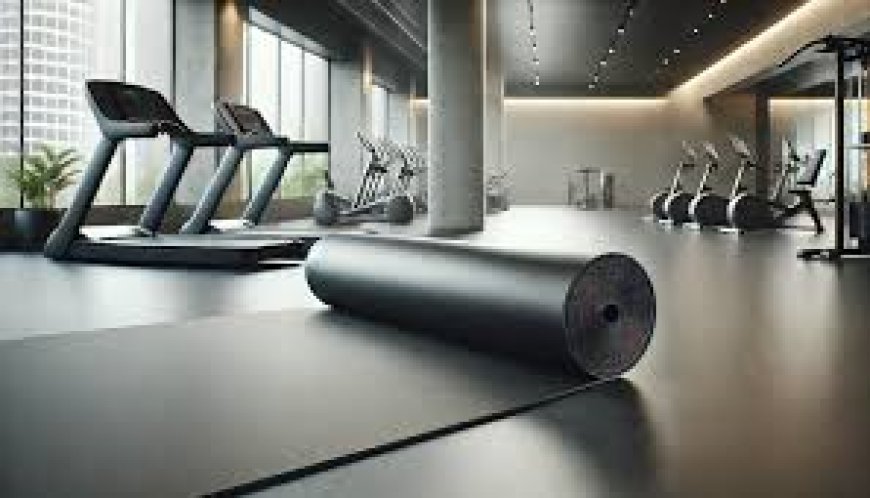
For most people, rubber is the gold standard of gym flooring. It’s incredibly durable, water-resistant, and can handle a massive amount of weight. You can get them in interlocking "puzzle" styles or large rolls. If you're planning on dropping heavy weights or having high-traffic areas, this is your best friend. It’s tough as nails but feels remarkably supportive.
Foam Mats: The Budget-Friendly Yoga Buddy
If your "gym" is mostly for stretching, yoga, or maybe some light bodyweight exercises, foam might be the way to go. It’s much softer than rubber, which is great for floor work. However, be careful—foam doesn't play well with heavy equipment. If you put a heavy bench on foam gym flooring, it will leave permanent indentations, and it might even tear under high-intensity movement.
Cork and Turf: For the Aesthetics and the Sprints
Looking for something a bit different? Cork is eco-friendly and naturally antimicrobial, though a bit pricier. Turf, on the other hand, is amazing if you want to do sled pushes or agility drills. It gives that "outdoor stadium" vibe right inside your four walls. It’s specialized, but man, does it look cool.
Choosing the Right Thickness for Your Grind
Not all gym flooring is created equal when it comes to thickness. If you get it too thin, you’re wasting your money. Too thick, and it might feel like you’re standing on a mattress. Usually, 8mm to 10mm is the sweet spot for home use.
Light Cardio vs. Deadlift Zones
If you’re just doing some HIIT or using an exercise bike, you can get away with thinner mats. But if you’re a powerlifter? You need the heavy-duty stuff. Professional lifting platforms often use gym flooring that is 20mm thick or more. It’s all about matching the protection to the intensity of your movement. Are you a featherweight or a bulldozer?
The DIY Corner: How to Install Like a Pro
The great thing about modern gym flooring is that you don't need a degree in engineering to install it. Interlocking tiles are like Lego for adults. You just snap them together and trim the edges with a sharp utility knife.
Maintaining Your Surface for the Long Haul
Once it’s down, how do you keep it looking fresh? It’s simpler than you think. A quick vacuum and a damp mop with a mild detergent (avoid harsh chemicals that eat away at rubber!) will keep your gym flooring smelling clean and looking new. Remember, sweat happens. If you don't clean it, your gym will start to smell like a locker room faster than you can say "one more rep."
Conclusion: Elevating Your Space
At the end of the day, your fitness journey is personal. You're putting in the sweat and the time, so why not give yourself the best possible environment? Investing in quality gym flooring isn't an "extra"—it's an essential. It protects your equipment, your home, and most importantly, it protects you. So, take a look at your space, imagine the possibilities, and get that foundation sorted. Your knees (and your neighbors) will thank you!