Protecting Solar Panels from Pigeons: Smart Solutions for Long-Term Results
This whole topic of protecting solar panels from pigeons isn’t just about keeping things clean. It’s about avoiding damage, loss of efficiency, and ongoing frustration. People usually ignore it at first. Then a few months later they’re calling someone because birds have basically turned their solar setup into a nesting site.
 walaeric704@gmail.com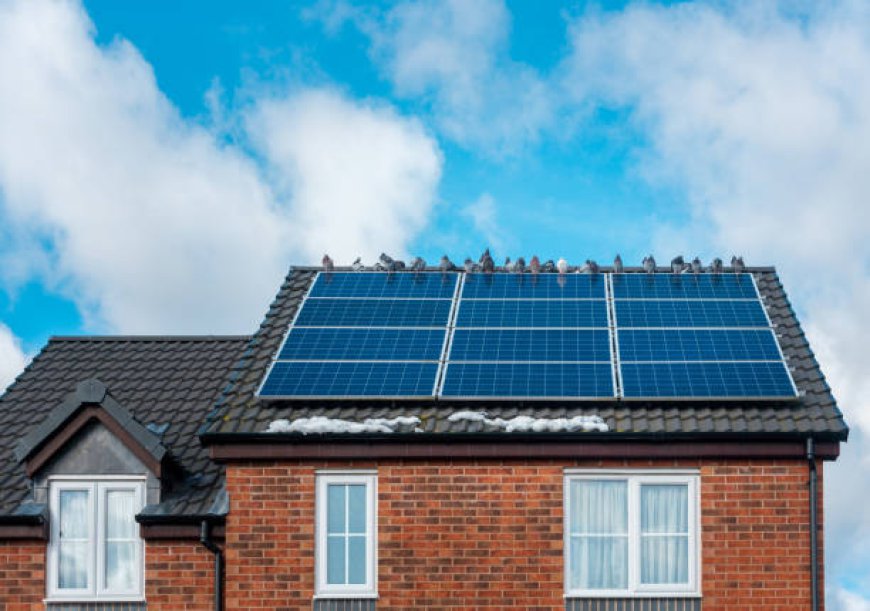
If you’ve got solar panels on your roof, chances are you’ve also dealt with pigeons. Or you will. They don’t care about your investment, your electricity savings, or anything like that. They just see a nice warm, sheltered space and think, “Yep, this is home now.”
And honestly… once they move in, things get messy fast.
This whole topic of protecting solar panels from pigeons isn’t just about keeping things clean. It’s about avoiding damage, loss of efficiency, and ongoing frustration. People usually ignore it at first. Then a few months later they’re calling someone because birds have basically turned their solar setup into a nesting site.
Let’s break it down in a simple, real way.

What pigeons actually do to solar panels
So here’s the thing. Pigeons don’t damage solar panels directly by pecking at them or anything dramatic like that. The real issue is what they leave behind.
Droppings build up under and around panels. And that stuff is acidic. Over time, it can stain roofing, corrode materials, and create a layer of grime that reduces airflow. Less airflow = hotter panels = lower efficiency.
Then there’s nesting. They squeeze into the gap between the roof and panels and start building. Twigs, feathers, all sorts of debris. It blocks ventilation even more. Sometimes they even chew on wiring insulation just out of habit.
Not great.
And once one pair settles in, others follow. It becomes a cycle.
This is why solar panel protection from pigeons is something people should think about early, not after damage shows up.
Why ignoring it becomes expensive
A lot of homeowners assume, “It’s just a few birds, not a big deal.”
But it kind of snowballs.
First, your energy output drops. Not massively at first, maybe 5–10%, so you don’t notice right away. Then it gets worse as dirt builds up and airflow gets blocked.
Second, cleaning becomes a headache. Getting up on the roof, removing nests, dealing with mess… it’s not a fun weekend job. And if it’s left too long, sometimes you need professional cleaning which isn’t cheap.
Third, repairs. Damaged wiring or loosened panels due to nesting activity can lead to actual system faults. That’s where costs jump.
So yeah, protecting solar panels from pigeons is basically a preventative move. You don’t see the benefit immediately, but you definitely feel the lack of it later.
Real-world methods for protecting solar panels from pigeons
There isn’t just one solution. Usually it’s a combination, depending on the roof and how bad the pigeon problem is.
One of the most common methods is mesh screening. This is installed around the edges of the solar panels to physically block birds from getting underneath. Simple idea, but very effective when done properly.
Then there are bird spikes. These don’t hurt the pigeons, but they make landing and nesting uncomfortable. You’ll usually see them on ledges and nearby roof areas.
Some people also use deterrent strips or reflective materials. Honestly, these work for mild cases but not long-term heavy infestations. Pigeons get used to them.
A more solid option is full perimeter exclusion systems. Basically sealing off the entire underside of the solar panel array so there’s zero access. This is probably the most reliable form of solar panel protection from pigeons if it’s installed correctly.
And then there’s cleaning and maintenance. Not a prevention method exactly, but still important. If you already have birds, cleaning first before installing protection is kind of necessary.

DIY vs professional solar panel protection from pigeons
This is where people usually debate.
DIY sounds tempting. You buy some mesh, maybe a few clips, and try to fix it yourself. And for very small, easy roof setups, it can work.
But here’s the reality. Roofs are tricky. Solar panels are delicate. And pigeon-proofing isn’t just about blocking space randomly. If you leave even small gaps, pigeons find them. They always do.
Professionals usually have proper fitting systems, better tools, and experience dealing with weird roof angles and panel layouts. They also know how to avoid damaging wiring or voiding warranties.
So yeah, DIY might save money upfront. But if it fails, you end up paying twice.
Not saying everyone needs a pro, but for full protecting solar panels from pigeons setups, especially bigger systems, professional installation usually makes more sense.
Mistakes people make (more than you’d think)
There are a few common mistakes that keep repeating.
One big one is waiting too long. People only act after pigeons have already nested. At that point, cleaning becomes part of the job and it’s more annoying.
Another mistake is patchwork solutions. Like putting spikes on one side of the roof and ignoring the rest. Birds just move around.
Some people also underestimate how small a gap pigeons need. Seriously, if they can squeeze their head in, they’ll try the rest.
And then there’s ignoring maintenance after installation. Even good solar panel protection from pigeons systems can loosen over time if not checked.
Nothing fancy here, just small things that make a big difference.

Long-term thinking actually matters here
Solar panels are a long-term investment. You’re not installing them for a year or two. You’re thinking 15–25 years.
So it makes sense that protecting them from pigeons should also be long-term, not a quick fix.
Once a proper exclusion system is installed, the difference is noticeable. Less mess, more stable output, fewer surprises. You basically stop thinking about pigeons altogether, which is kind of the goal.
And honestly, that’s what most homeowners want. Not constant cleaning, not rooftop stress, just steady power generation.
Protecting solar panels from pigeons isn’t complicated. It’s just something people delay until it becomes a problem.
Better to handle it early and move on.
FAQ
What is the best way of protecting solar panels from pigeons?
The most reliable method is installing a full mesh exclusion system around the panels. It physically blocks pigeons from getting underneath, which stops nesting completely.
Do pigeons really reduce solar panel efficiency?
Yes, they do. Droppings and nesting materials block airflow and create dirt buildup. Over time, this can reduce energy output noticeably.
Is solar panel protection from pigeons expensive?
It depends on roof size and system type. Basic solutions can be affordable, but full professional exclusion systems cost more upfront and save money long-term.
Can I install pigeon protection myself?
You can try, especially for small setups, but it’s risky. Improper installation often leaves gaps, and pigeons will find them quickly. Professional installation is usually more reliable.